The World Bank Tokyo Disaster Risk Management (DRM) Hub, in partnership with the Global Facility for Disaster Reduction and Recovery (GFDRR) , and with financial support from the Government of Japan and the Government of Canada, will host the EP&R Learning Academy in Tokyo and Sendai from April 20 to 24, 2026.
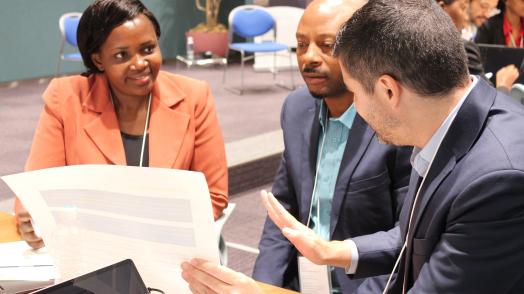
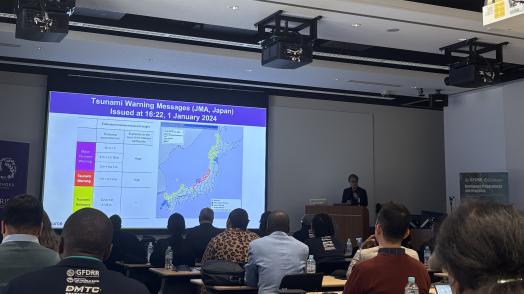
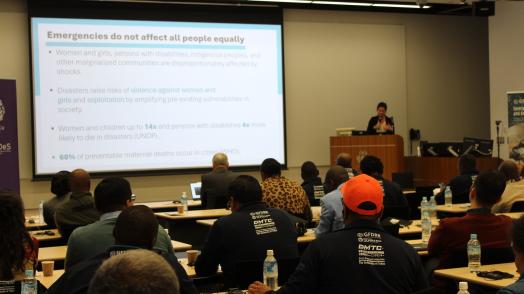
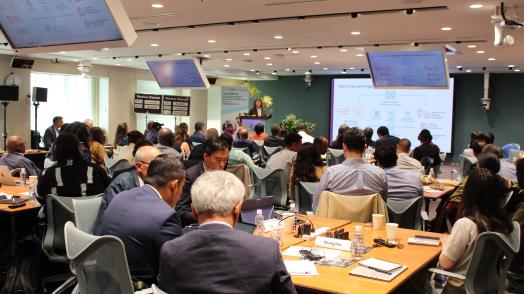
The Academy is designed as a peer-learning and technical exchange platform for government counterparts and World Bank teams working to strengthen national emergency preparedness systems. It brings together government representatives from 15 World Bank member countries, World Bank operational teams, and Japanese experts to compare institutional models, share operational lessons, and address readiness challenges. GFDRR's engagement on the Academy is being led by its EP&R thematic area.
Delivery Mode: In-Person
Location: Tokyo and Sendai, Japan
Dates: April 20–24, 2026

Highlights
Relevant Resources
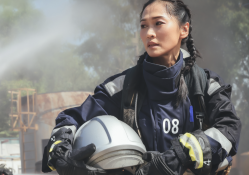
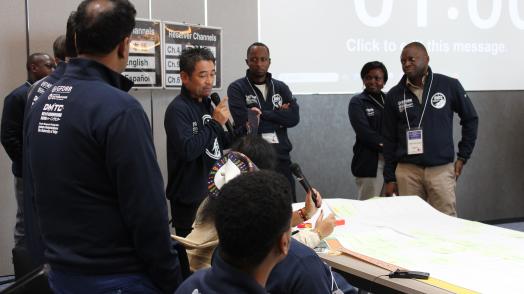
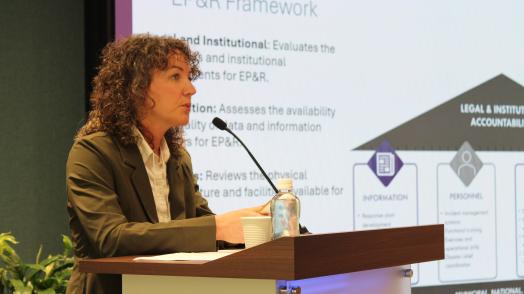
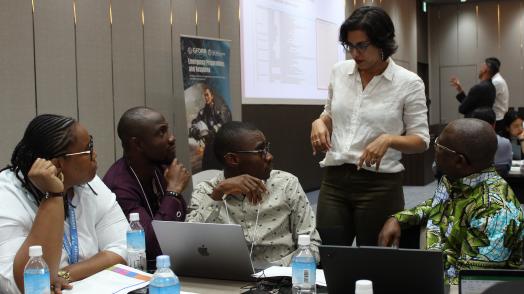
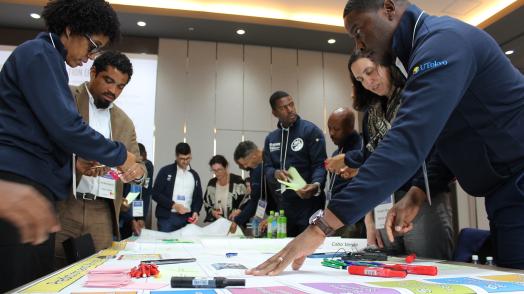
The EP&R Learning Academy is a five-day peer-learning and technical exchange platform designed to strengthen national capacities for emergency preparedness and response. The event features Japanese experts together with government representatives from civil protection and disaster management agencies, line ministries, and ministries of finance from 15 World Bank member countries who are preparing or implementing EP&R operations. It focuses on sharing Japan's extensive expertise while supporting participating countries in assessing their current systems, identifying gaps and ways to strengthen capacities and improving policy frameworks to create an enabling environment. By the end of the week, the participants will develop practical action plans that will be implemented and monitored at regular intervals after the training. The agenda progresses from global perspectives and foundational preparedness assessments toward increasingly practical and context-specific learning, combining interactive sessions, simulation exercises, and field observations throughout.
This event is by invitation only.
Organizer:
Tokyo DRM Hub, part of the World Bank’s global partnership GFDRR
Co-organizer:
International Research Institute of Disaster Science (IRIDeS), Tohoku University
Collaborating Organizations: Sendai City Bureau of Disaster-Resilient and Environmental City Promotion Office, Comprehensive Policy Planning Bureau; Disaster Management Training Center (DMTC), IIS, The University of Tokyo; and others.

Watch the Emergency Preparedness and Response Academy 2026 videos playlist on YouTube