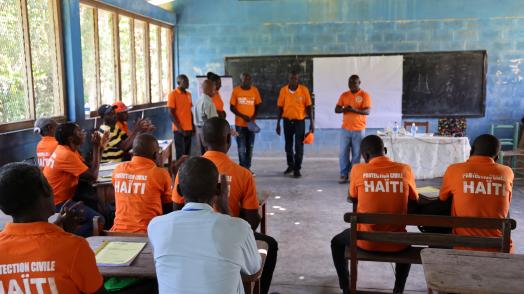
Fiscal year 2025 marked another year of sustained progress toward GFDRR’s mission and objectives. Demand for its expertise and support remains high, reflecting the capacity gaps that many low- and middle-income countries face in identifying, designing, and implementing investments. In a resource-constrained environment, GFDRR’s catalytic role has been particularly valuable, demonstrating how small, strategic grants can shape large-scale, risk-informed development programs. This Annual Report captures those achievements and the measurable impacts GFDRR has achieved across countries and sectors.

GFDRR FY25 Annual Report Highlights 

Objective 1: Evidence and Knowledge for Decision-Making

Results in Resilience

Strengthening use of risk data to inform resilience planning through a new data sharing platform.

Learn More

Objective 2: Risk-Informed Development

Results in Resilience

Protecting vital infrastructure and strengthening connectivity and economic links.

Learn More
Results in Resilience

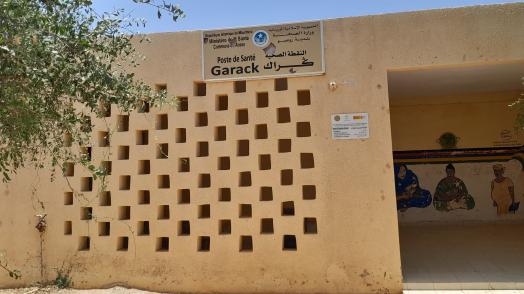
Retrofitting health facilities to ensure uninterrupted access to health services.

Learn More
Results in Resilience

Bolstering the resilience and improving the energy efficiency of vital social infrastructure.

Learn More
Results in Resilience

Households took the lead in reconstructing their own homes to be resilient.

Learn More
Results in Resilience

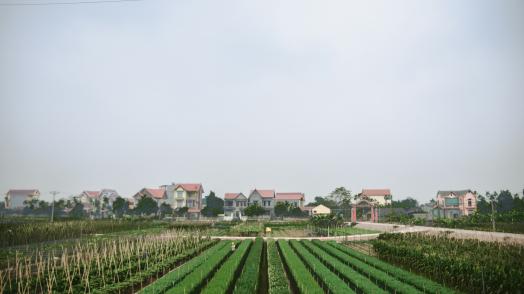
Informing Viet Nam's efforts to harness nature to protect lives and livelihoods from flooding.

Learn More
Results in Resilience

Rehabilitating coastal infrastructure critical to lives and livelihoods.

Learn More

Objective 3: Financing Investments for Disaster Risk
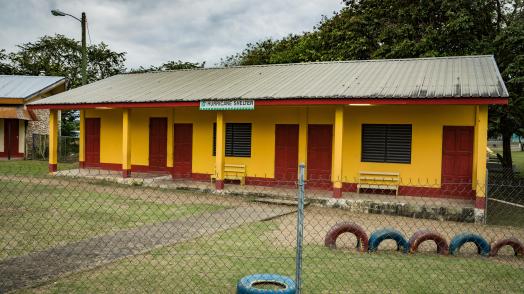
Results in Resilience

Helping ensure immediate access to recovery financing following a future disaster.

Learn More

Objective 4: Disaster Preparedness

Results in Resilience

Helping enable the delivery of weather, water, and climate information to 3 million people.

Learn More
Results in Resilience

Rebuilding emergency operations centers affected by the devastating 2021 earthquake.

Learn More

Cross-Cutting Areas: Disaster-Fragility, Conflict, and Violence Nexus
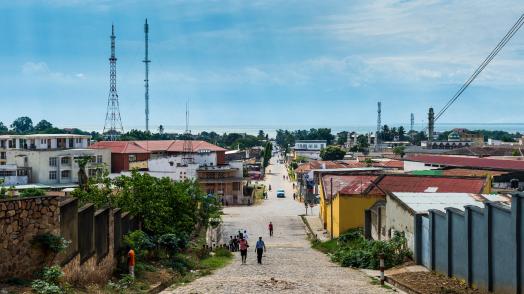
Results in Resilience

Leveraging social network data to paint a fuller picture of risks faced by displaced people.

Learn More

Cross-Cutting Areas: Inclusive Disaster Risk Management and Gender Equality
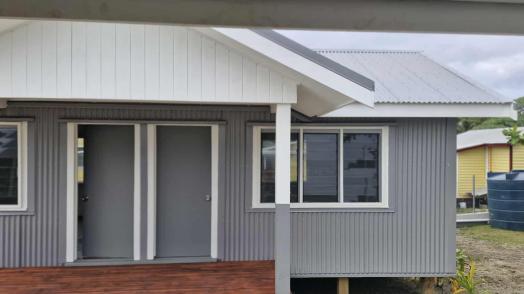
Results in Resilience

Rebuilding schools to be resilient, while also inclusive of the needs of all students.

Learn More