

1. Height range
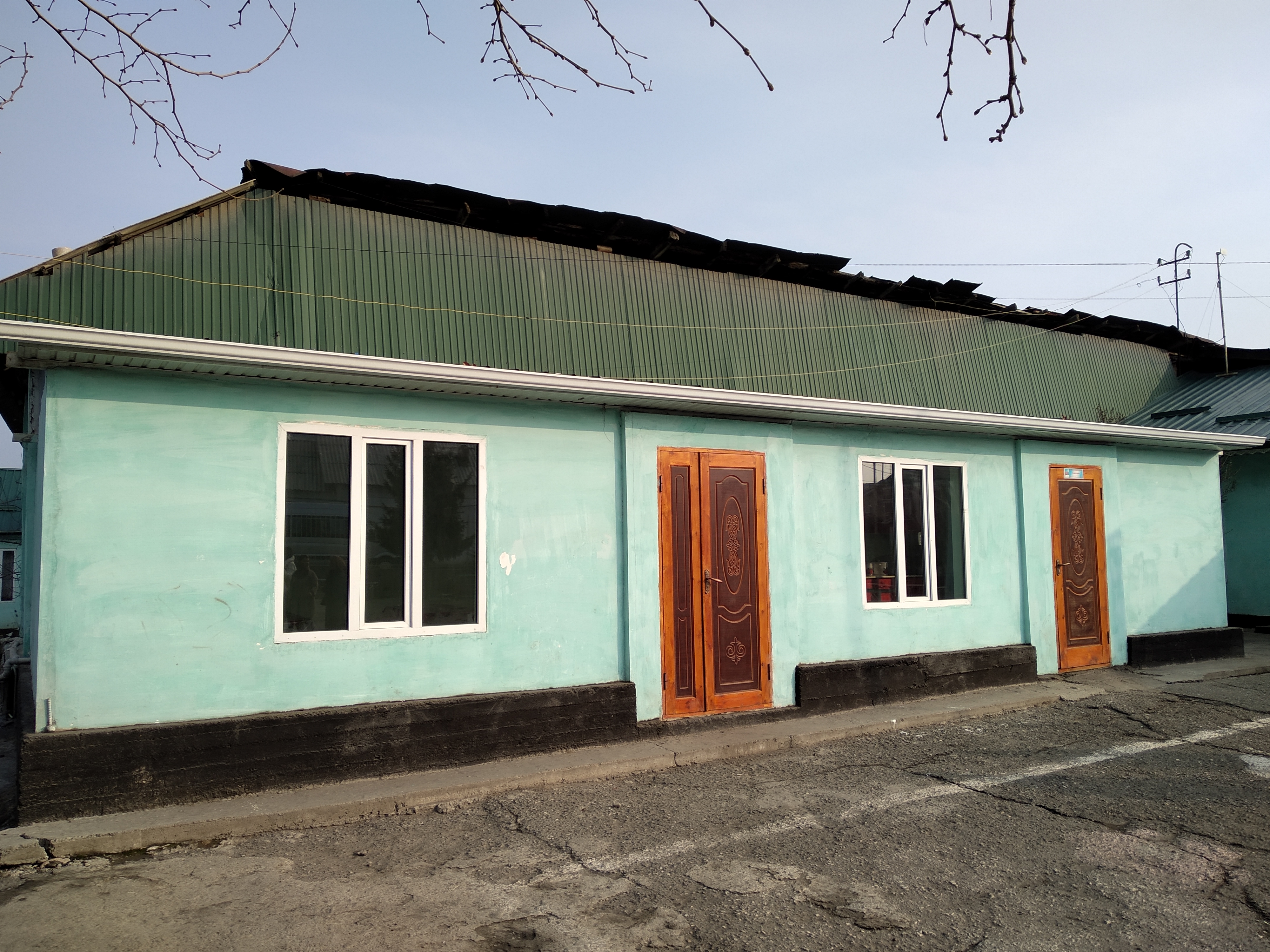
<p>Single story</p>
2. Seismic design level
<p>- Fair construction quality and workmanship<br>- Few seismic enhancement measures<br>- Building designed for low lateral loads</p>

3. Diaphragm type
<p>- Roof/floor with insufficient in-plane stiffness</p><p>- Poor connection of the roof/floor to the lateral load resisting system</p>

4. Effective seismic retrofitting
<p>- Original structure, which undertook or not minor non-structural improvements and/or maintenance</p>

5. Foundation type
<p>- Prevents large foundation deformations and anticipated failures</p>

6. Wall openings
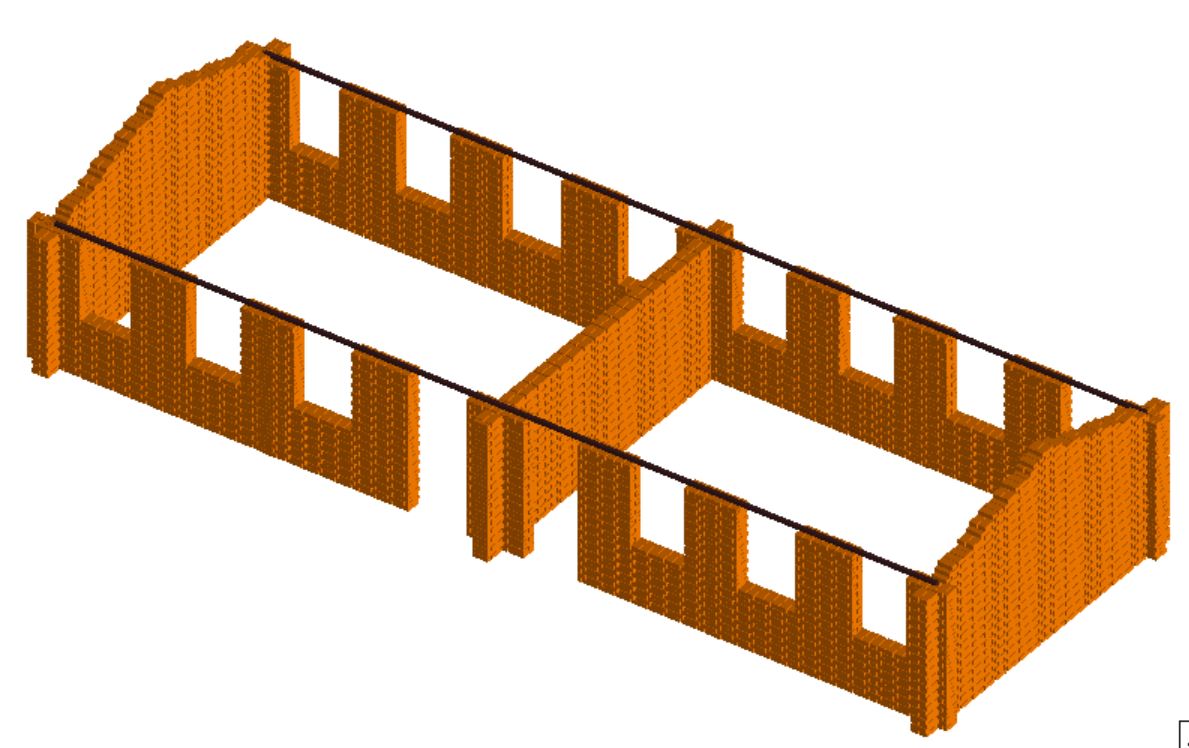
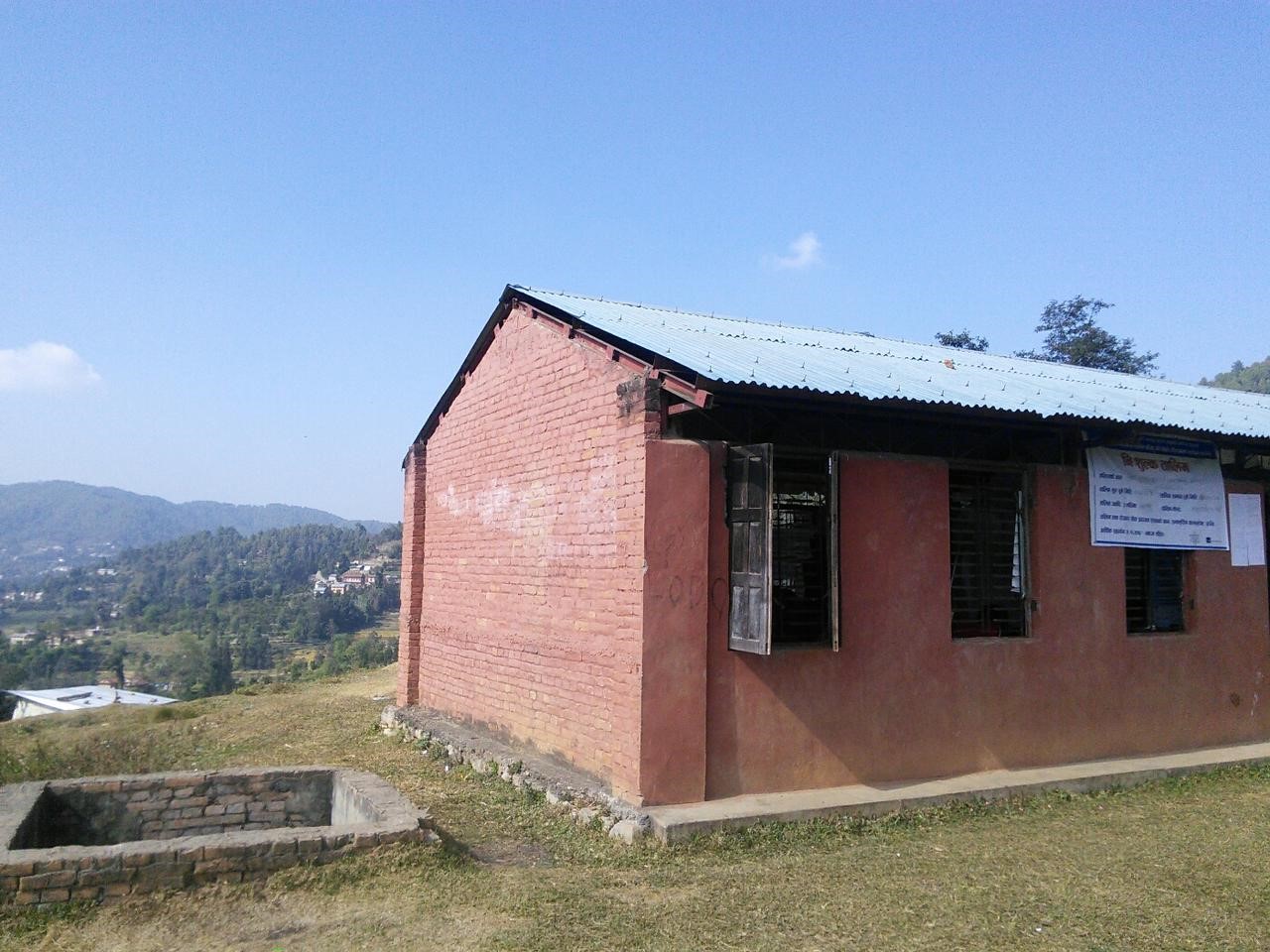
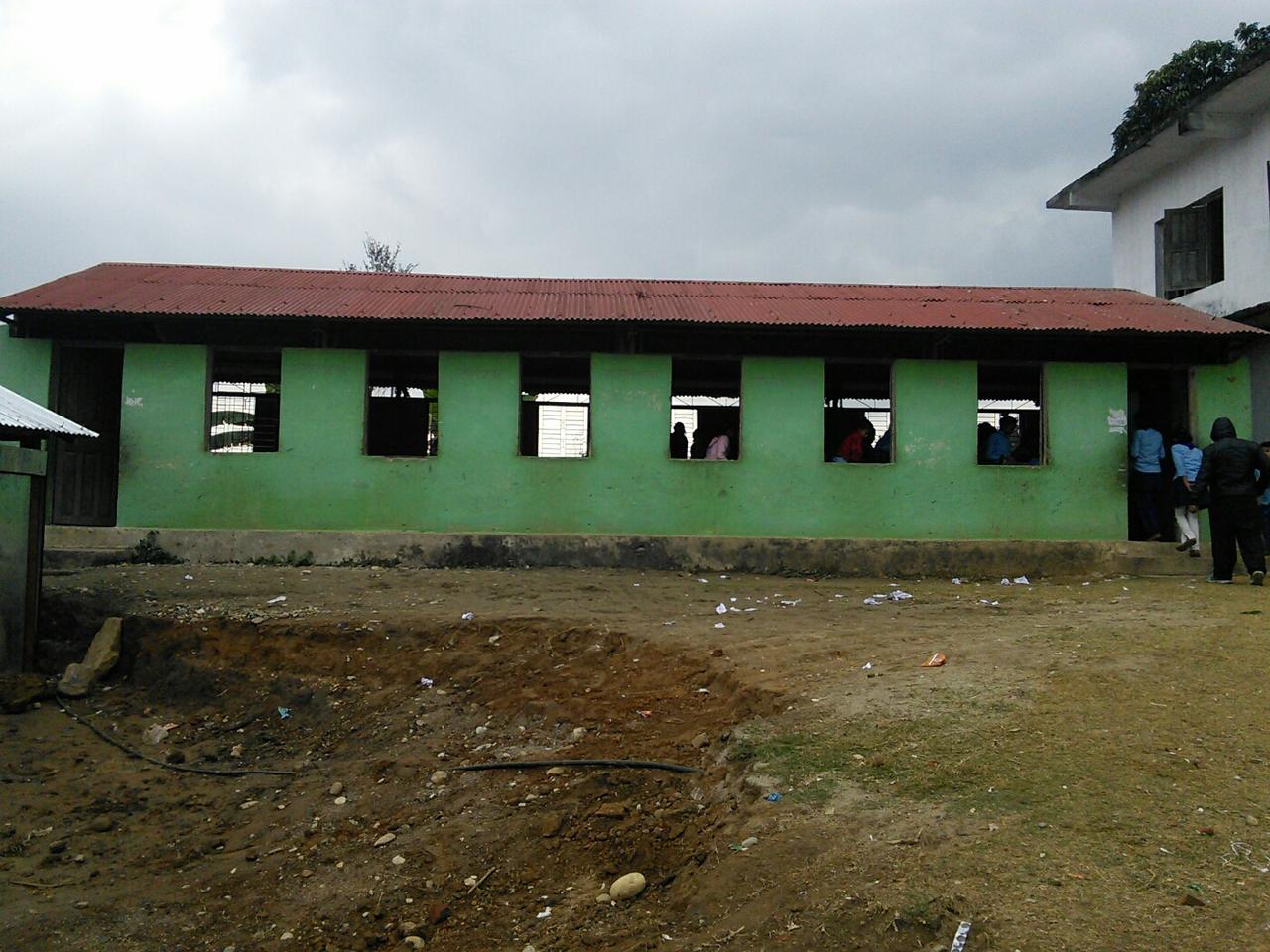
<p>- Opening width in a wall between two consecutive cross walls is more than or equal to 0.35 times (0.25 times) the wall length in single-story (multi-story) building</p>

7. Wall panel length
<p>- Wall length is more than 12 times the wall thickness</p>

8. Non-structural components
<p>- Building has non-structural components that can produce human casualties and economic losses such as: parapets, ceilings, tiles, pipes, infill, etc.</p>

9. Seismic pounding risk
<p>- Seismic gap between buildings at least 4% of the height of the shorter building where the expected collision occurs</p>

10. Structural health condition
<p>- Building structure is in overall good condition</p>

11. Structural irregularity
<p>- Regular in plan and elevation</p>

12. Main structural system
<p>- Buildings constructed of light steel frame with heavy brick in cement mortar walls<br>- Walls are generally thick at about 400 to 500 mm</p>