

What's New from GFDRR
Events
Blogs
 Jemma Vasilyan
 Rossella Della Monica
 Dharmendra Ellayah
 Felipe Montoya Pino
 Akiko Urakami
 Koji Nishida
 Natalia Romero
 Robin Middelanis
 Yasuhiro Kawasoe
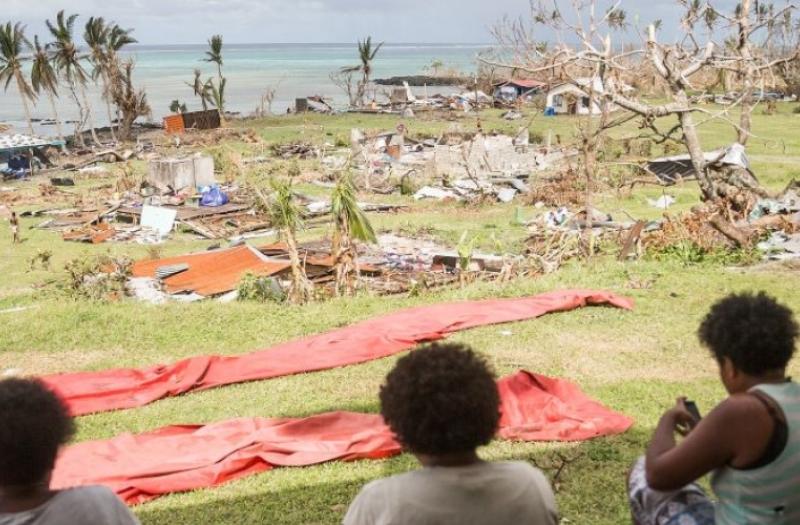
In the days that follow a disaster – a flood, a cyclone, an earthquake – governments and aid agencies face an agonizing challenge: with limited resources and millions in need, who gets help, and how much? Get it wrong, and cash transfers reach many people but don’t take into consideration their economic needs and are too small to make a difference. Get it right, and the same budget can prevent millions from falling into poverty.
Adaptive social protection programs which combine social protection, disaster risk management, and climate adaptation are well designed to navigate exactly this trade-off. A new paper offers the first global, systematic analysis of their effectiveness. Its key finding: when the primary goal is to prevent households from falling deeper into poverty, programs that prioritize meaningful support to the poorest tend to perform better than spreading the same budget thin and giving everyone a little.
 Keiko Sakoda
 Jayashree Srinivasan
 Ana Campos Garcia
 Abubakari Ahmed
 Santiago Ezequiel Arias
 Kaoru Irisawa
Videos
This response was generated with the assistance of artificial intelligence, and it may contain errors or reflect biases. Please verify all information before use.