Schools are a cornerstone of any prosperous society. But natural hazards pose a significant threat to educational infrastructure, affecting millions of children each year. These disasters not only damage school buildings but also disrupt the lives of students, teachers, and entire communities, often prolonging the recovery process for educational services. And when schools experience prolonged interruptions, the risk increases that children may never return, potentially setting back the education of entire generations and diminishing their prospects for prosperity.
To tackle this pressing issue, the Global Facility for Disaster Reduction and Recovery (GFDRR) launched the Safer Schools Thematic Area in 2014. This initiative is dedicated to enhancing the safety and resilience of schools worldwide, particularly in low- and middle-income countries. By focusing on helping countries understand vulnerabilities to natural hazards and implement risk mitigation strategies, the Safer Schools Thematic Area aims to protect both schools and the people who rely on them.
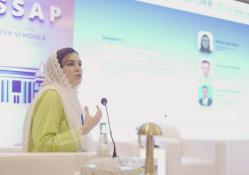
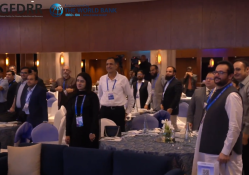
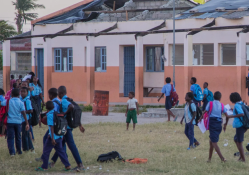
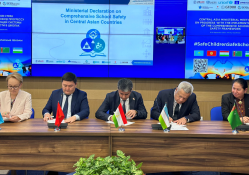
Through risk assessments, technical advice and support for policy and investment decisions, we help governments protect children, safeguard public investments, and keep learning on track, contributing to learning continuity, resilience, and economic opportunity. Learn more about our history and DNA in the story below.
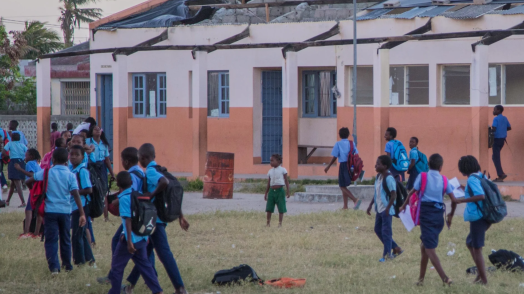
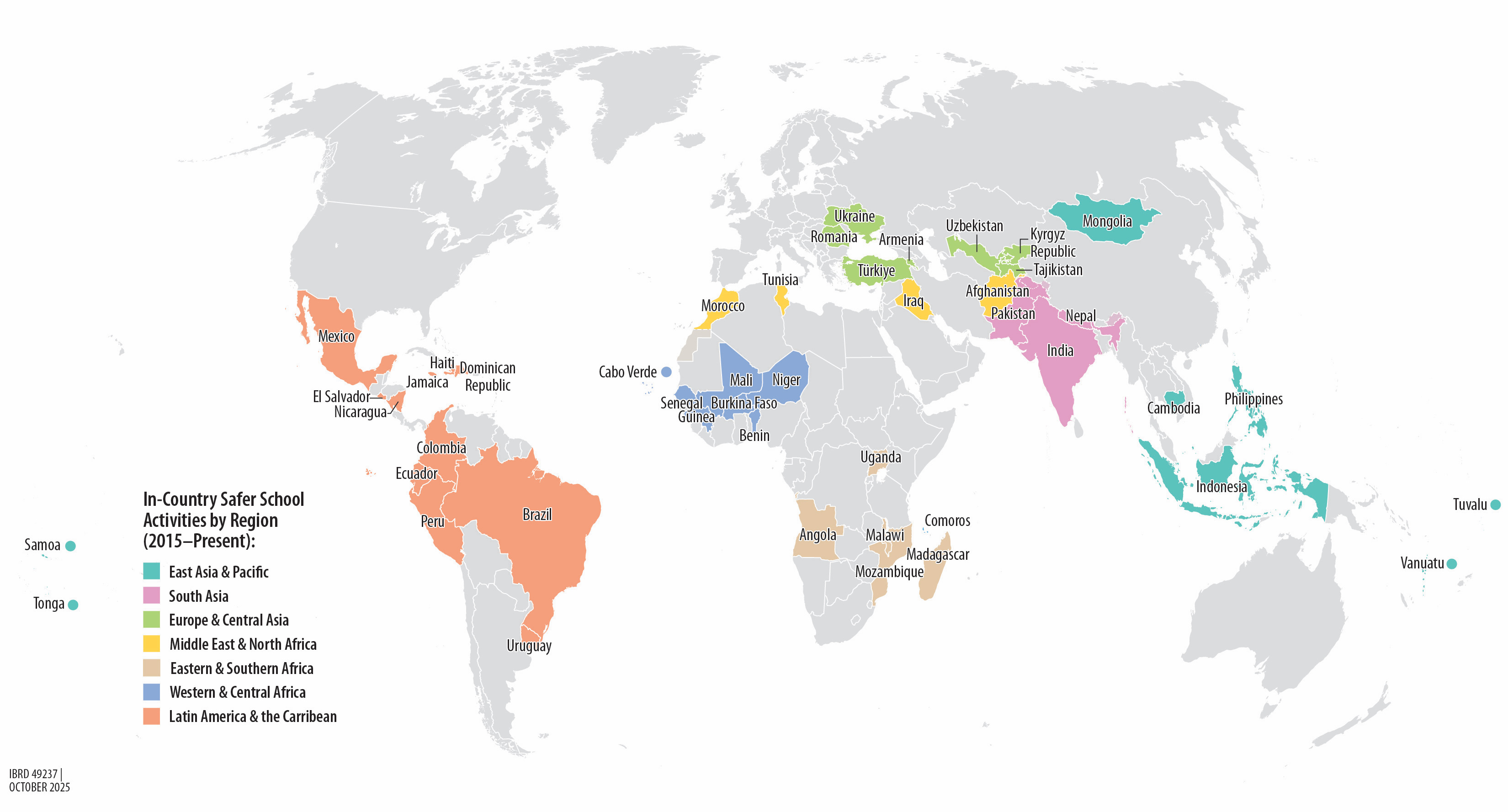
With financial support from GFDRR, the Safer Schools thematic area provides technical assistance to World Bank task teams through in-country activities to design and implement safer schools programs in developing countries, including recovery and reconstruction in post-disaster conditions.
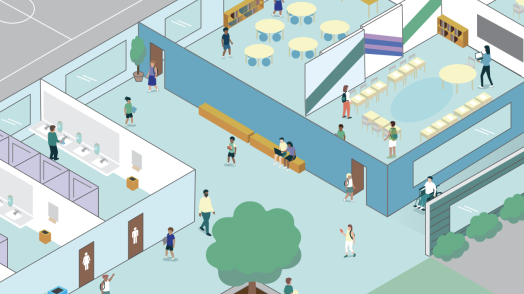
RIGHT+ Framework for Physical Learning Environments (PLEs)
In low- and middle-income countries, physical learning environments (PLEs) face persistent challenges that exclude vulnerable populations, undermine learning outcomes, and threaten the health and well-being of students. This approach gives education practitioners a clear organizational framework to assess their PLE's conditions and identify solutions. By adopting it, teams can advance PLEs that genuinely support learning and development for all.
Global Library of School Infrastructure
The GLOSI taxonomy classifies school buildings based on 12 parameters which are known to govern the building's structural performance. These parameters can be broadly categorized into primary (first 3 parameters) and secondary (remaining 9 parameters). The output of the taxonomy is a building's string of attributes related to each parameter. The taxonomy string can be seen as the building's DNA.
The catalog of building types illustrates the typical portfolio of school buildings in developing countries and makes information available on the expected performance against hazard events. This catalog is organized into building types and index buildings, where building types are identified by the first 3 taxonomy parameters and index buildings by the full taxonomy string.
The Roadmap for Safer and Resilient Schools
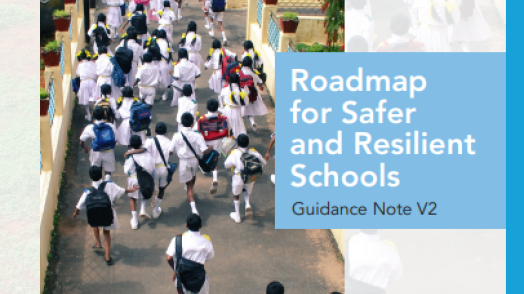
The Roadmap for Safer and Resilient Schools (RSRS) is a step-by-step guide intended to provide support to governments of developing countries exposed to natural hazards. Specifically, it focuses on the design of intervention strategies and investment plans to make schools safer and resilient at scale. The scope of the guide encompasses the recovery and reconstruction of school facilities affected by disasters.
Publications
To increase understanding of school safety and disaster risk reduction, the Safer Schools thematic area produces and shares knowledge products, including a glossary with terminology related to school infrastructure and disaster risk.


Watch the Safer Schools videos playlist on YouTube