When disasters strike in Guinea-Bissau, their effects can linger long after the immediate danger has passed. Markets remain closed, planting seasons are affected, small businesses struggle to reopen, and vulnerable families may take years to recover. In a country where many people rely on agriculture, fishing, and informal work, a short-lived shock can quickly become a long-term economic setback.
How quickly the government responds can shape how well lives are protected and how soon services, livelihoods, and communities recover. Over the past year, the Government of Guinea-Bissau has advanced this agenda through three connected efforts: establishing rapid access to emergency financing through the Contingent Emergency Response Project (CERP), testing through a simulation exercise how CERP would be activated and used during an emergency, and using the Ready2Respond (R2R) Diagnostic to assess the broader emergency preparedness and response system.
These efforts reflect a simple principle: financing is essential, but it is effective only when institutions are ready to use it. The Government is leading efforts to ensure that roles, decision-making processes, information flows, and delivery arrangements are agreed and tested before a crisis, rather than improvised during one.
A simulation exercise and a system-wide assessment are helping Guinea-Bissau strengthen coordination and prepare for emergencies before they happen.
Financing a Faster Response
Guinea-Bissau faces recurring floods, violent storms, and epidemics, but its ability to respond has often depended on outside assistance that may arrive late or fall short of what is needed.
The newly approved Contingent Emergency Response Project (CERP), prepared with World Bank support, helps address this gap. Through the World Bank’s Rapid Response Option, the government can rapidly redirect undisbursed funds from existing World Bank-financed operations when an eligible emergency occurs, and activation requirements are met.
CERP can finance humanitarian supplies, health commodities, cash transfers, and livelihood recovery. During its six-year implementation period, it may be activated multiple times but only one activation can occur at a time, lasting up to 12 months.
The financing mechanism is an important step, but its effectiveness depends on institutions being able to activate CERP quickly and correctly under pressure. The real test is whether officials can assess needs, make activation decisions, coordinate across institutions, and apply the required procurement, financial management, and environmental and social procedures when information is incomplete, needs are mounting, and time is short.
That was the purpose of the CERP simulation exercise: to test, in a realistic setting, the operational arrangements that would allow the Government to use CERP financing rapidly when an eligible emergency occurs. The R2R Diagnostic complements this exercise by identifying the wider institutional and operational capacities needed for an emergency response to work effectively. That was the purpose of the CERP simulation exercise.
Turning Procedures into Practice
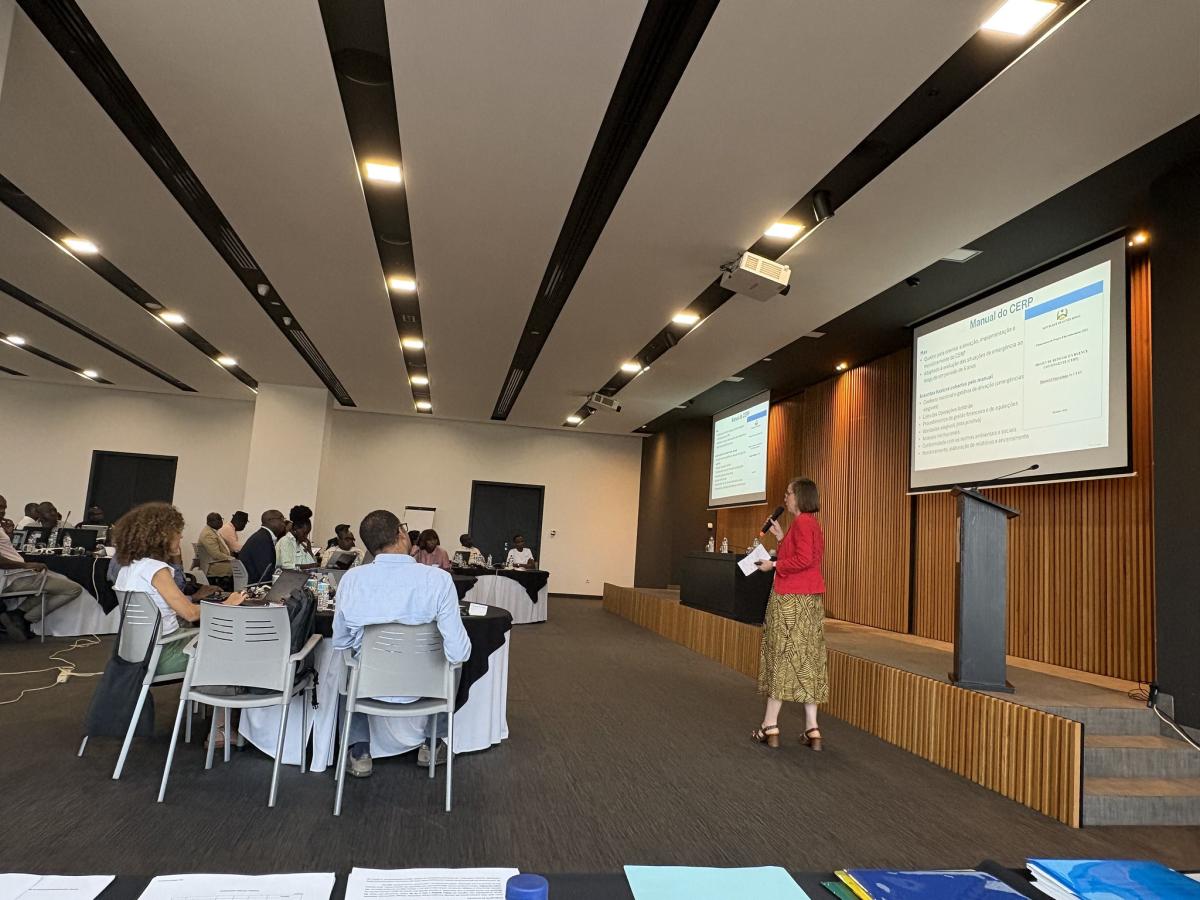
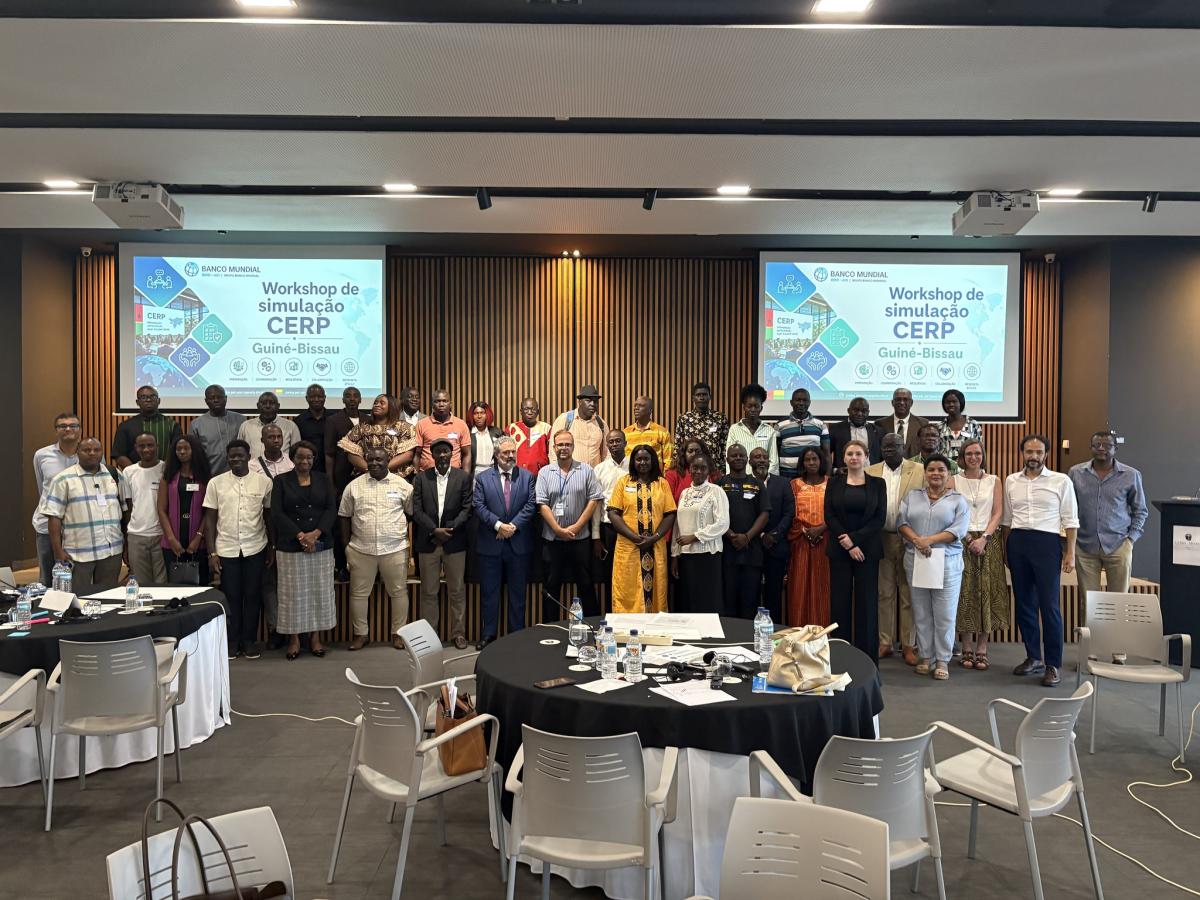
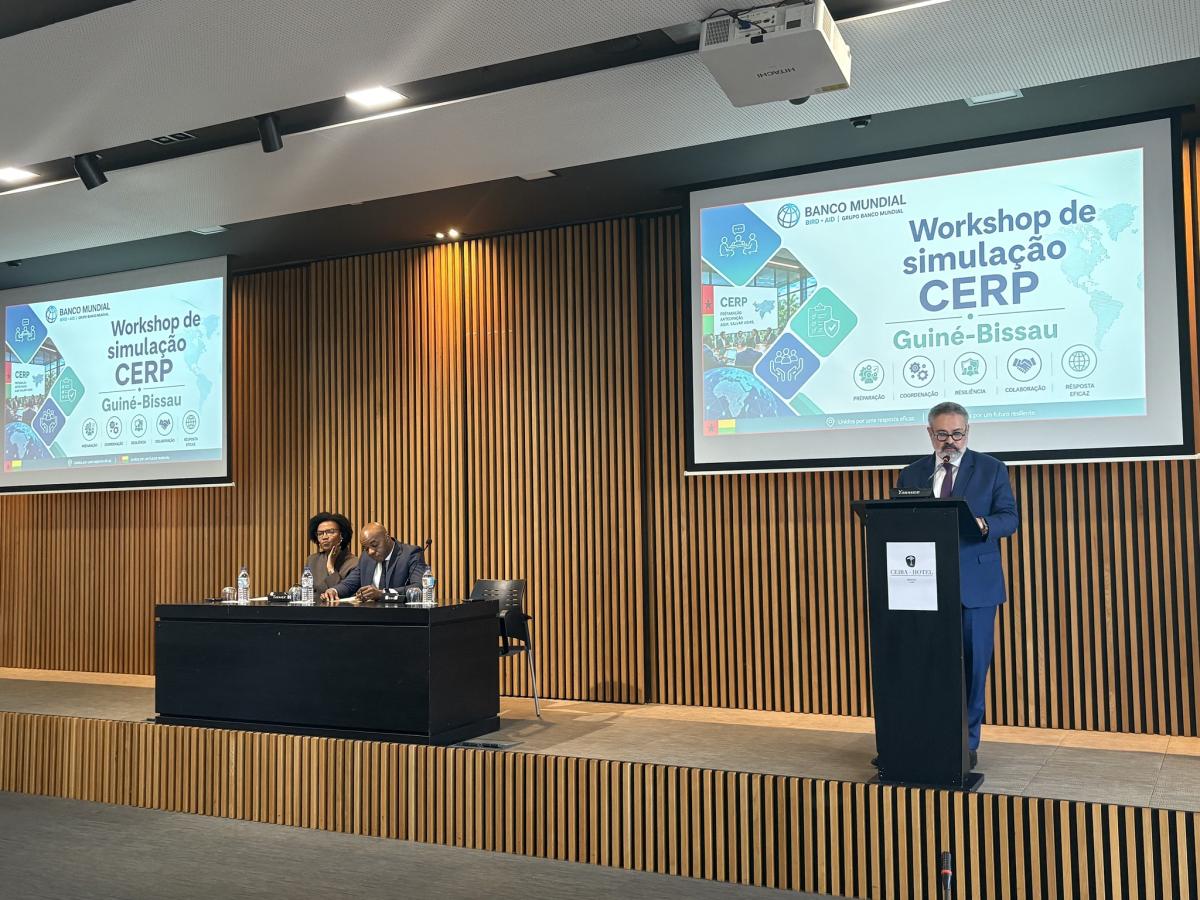
With support from the World Bank, the Global Facility for Disaster Reduction and Recovery (GFDRR) and Government of Japan Trust Fund the Government of Guinea-Bissau organized a tabletop exercise in Bissau, bringing together officials from nine ministries, the CERP Project Implementation Unit, the National Civil Protection Service, UN organizations, and the World Bank. Participants worked through a severe-flooding scenario, testing how they would assess needs, decide whether to activate CERP, mobilize suppliers, and manage procurement, financial management, and environmental and social requirements. The exercise enabled the institutions responsible for a real response to test how they would work together before an emergency occurs.
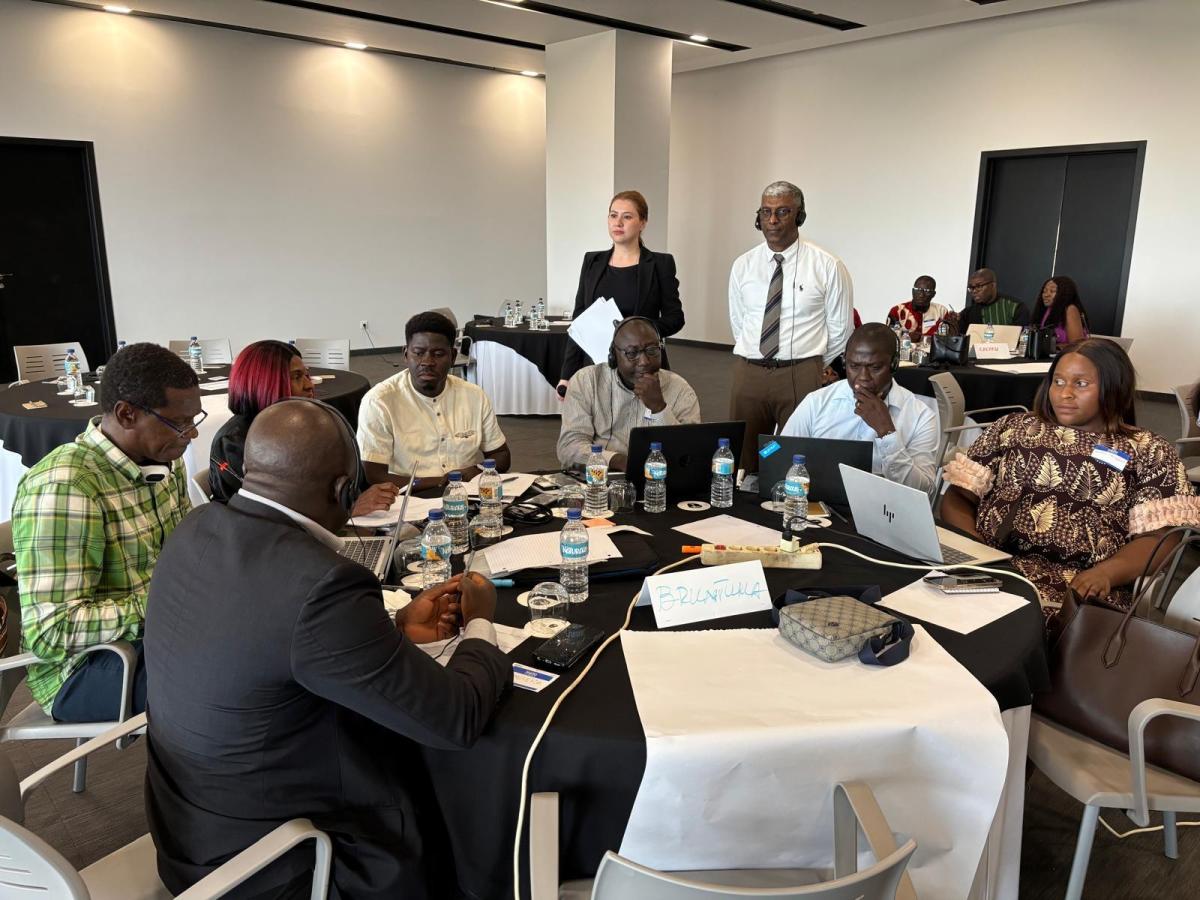
“This simulation was a turning point. For the first time, we sat together across all the institutions that must work as one in a real emergency, civil protection, finance, health, and social action, and walked through what that actually looks like. We identified gaps we did not know we had, and we began building the trust we will need when a real emergency occurs.” — Rosa Delgado De Brito, World Bank Group Resident Representative for Guinea-Bissau.
The exercise identified concrete follow-up priorities: formalizing CERP activation roles and decision-making arrangements; arranging essential goods and services in advance; preparing environmental and social instruments before an emergency; and conducting regular exercises as staff and circumstances change. These are practical steps that can reduce delays when a crisis occurs.
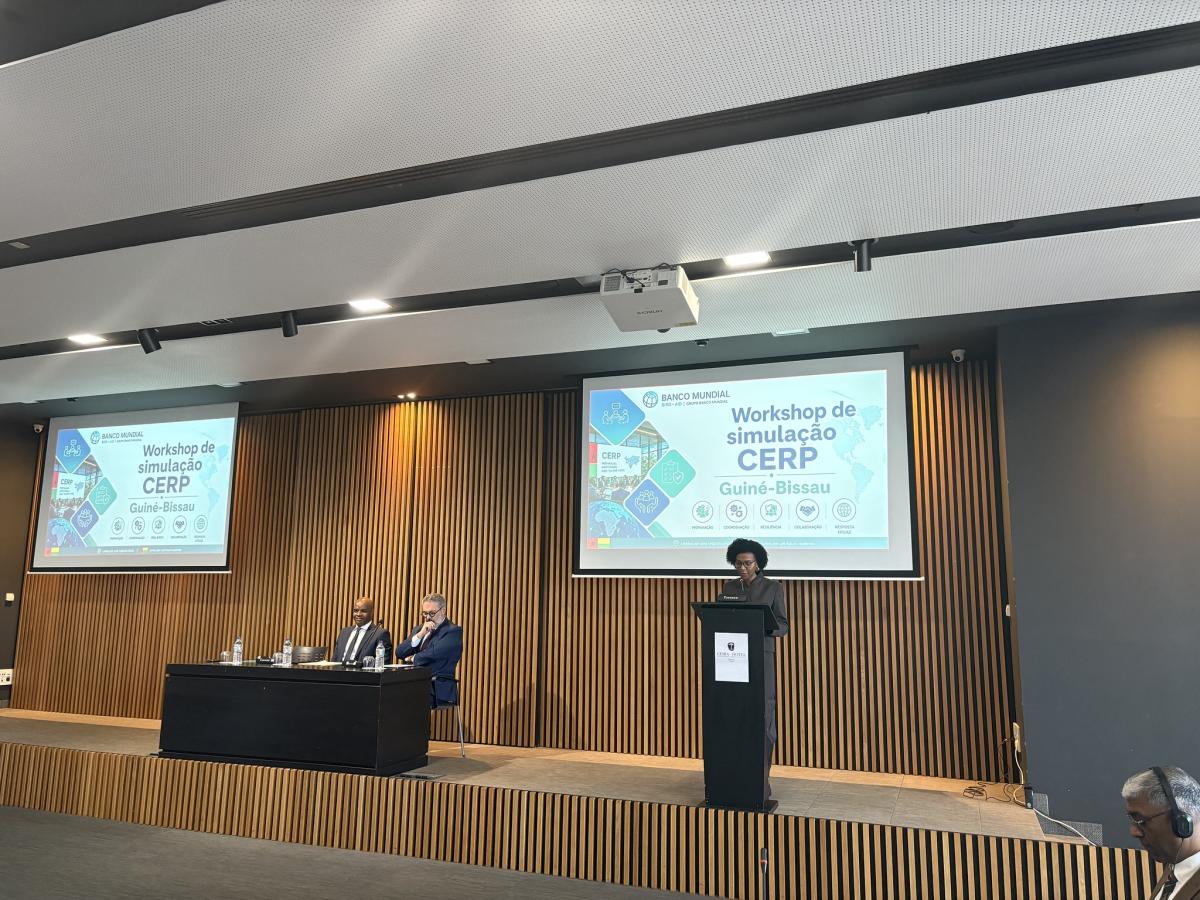
“The simulation exercise provided a valuable opportunity to test CERP activation arrangements in a realistic scenario and strengthen coordination among the institutions involved. The lessons identified will help us improve preparedness and ensure that, when an emergency occurs, support can reach vulnerable communities more quickly and effectively.” Malam Banjai, CERP Project Implementation Unit Coordinator, Guinea-Bissau”.
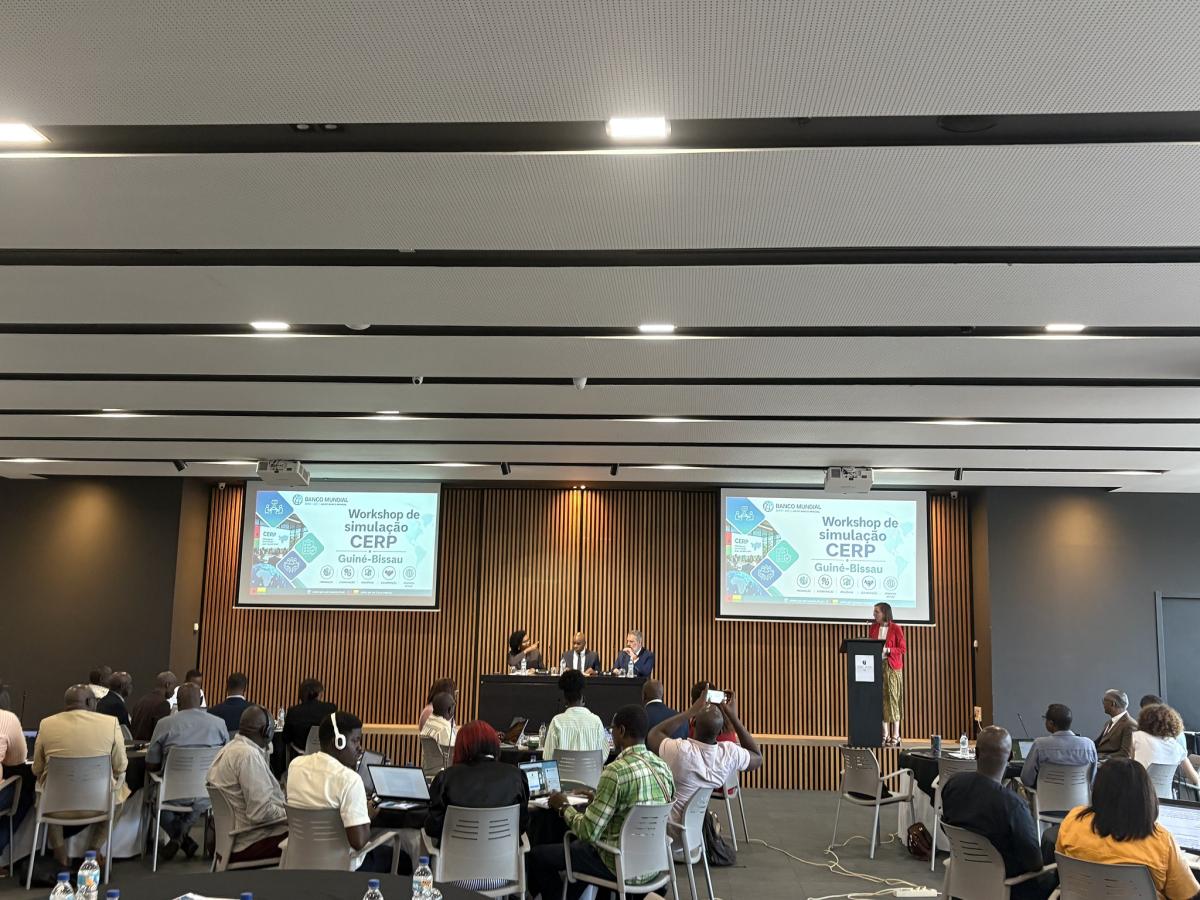
“Exercises like this turn written procedures into shared operational knowledge. They show what institutions can already do and where further work is needed, whether in clarifying roles, accelerating coordination, or strengthening relationships across ministries that too often work separately until a crisis brings them together.” — Michel Matera, Practice Manager, Urban, Resilience and Land, World Bank Africa West Region.
This is where the Ready2Respond (R2R) Diagnostic adds a wider perspective.
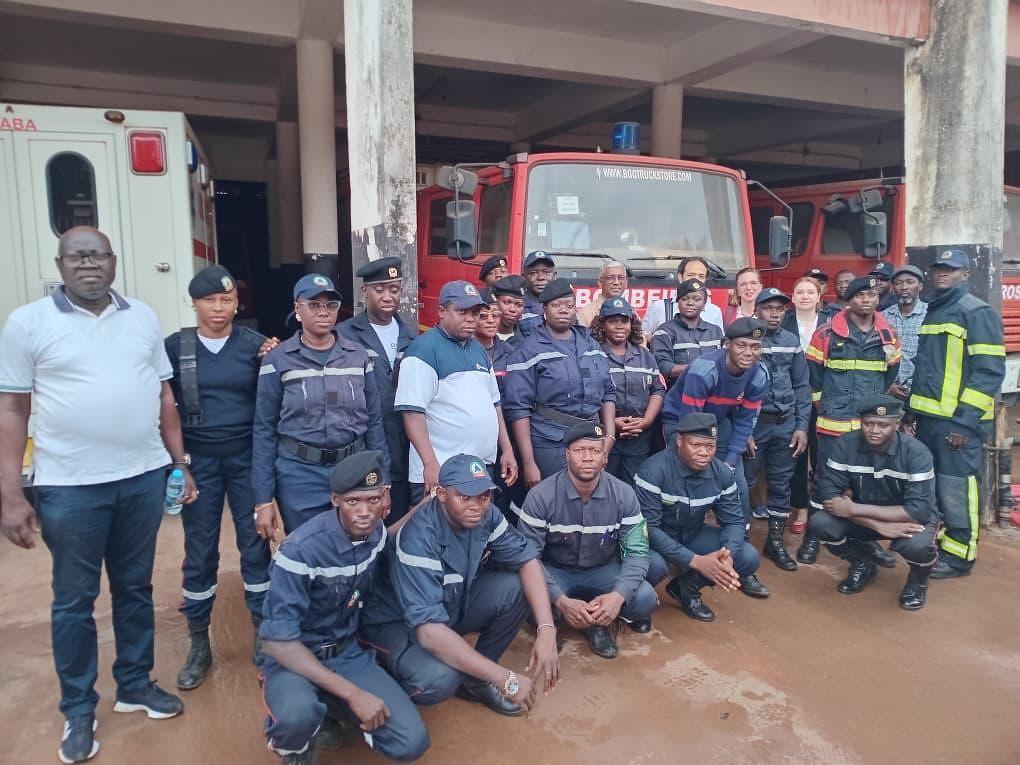
Developed by GFDRR and applied in more than 25 countries, the R2R Diagnostic assesses the systems needed for effective emergency preparedness and response, including institutional arrangements, personnel, facilities, equipment, and information, and coordination.
In Guinea-Bissau, the diagnostic established a national baseline of existing strengths, gaps, and priority investments.
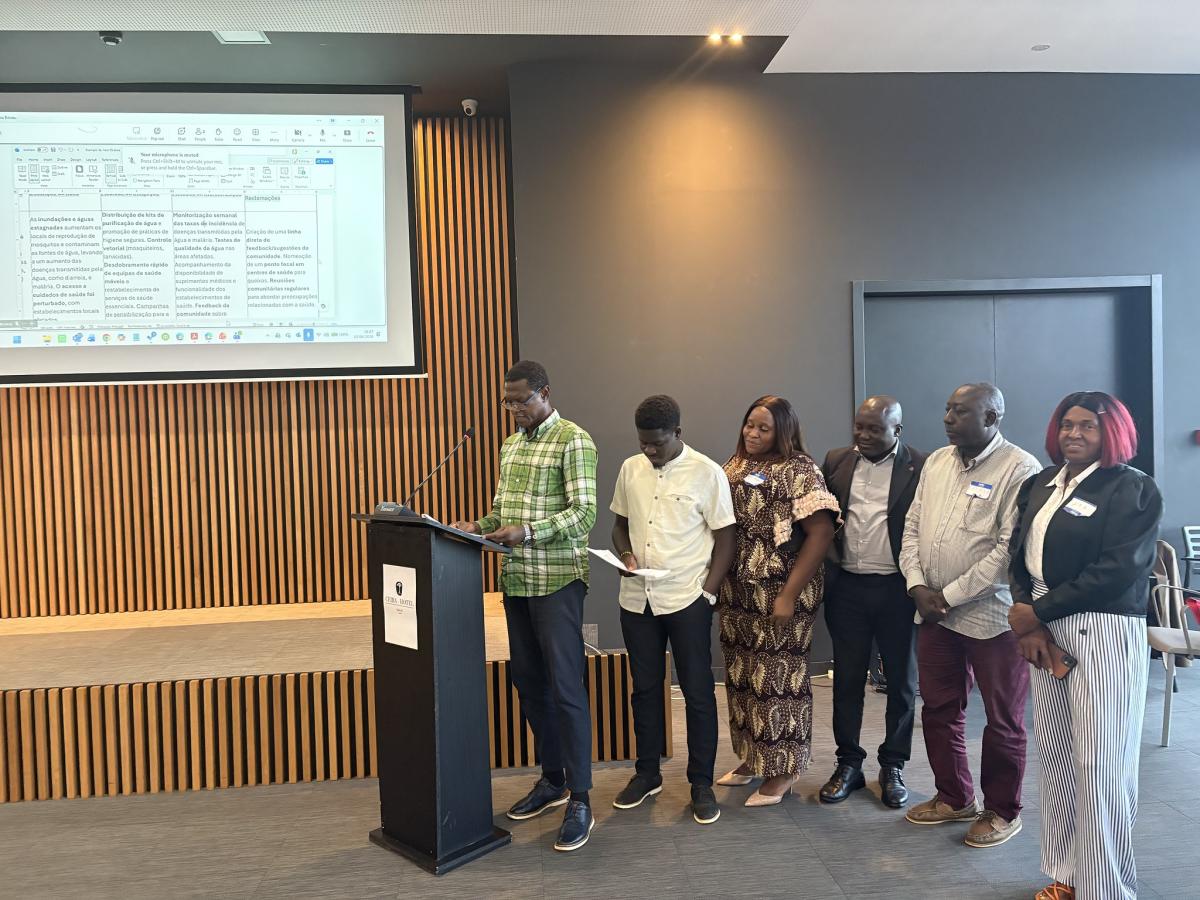
While the simulation tested how institutions would respond during a specific emergency, the diagnostic examined the wider system and capacities supporting that response. The findings from both exercises were reviewed with the government and other key stakeholders through an R2R validation workshop.
Together, the simulation and R2R Diagnostic have given Guinea-Bissau a clearer understanding of what is needed to respond quickly and effectively when a crisis occurs. That matters not only for immediate emergency needs, but also for recovery: timely access to food, water, medical supplies, cash transfers, and livelihood support can help families recover, businesses reopen, and economic activity resume.
The next step is to translate these findings into lasting improvements, including clearer mandates, updated procedures, trained personnel, stronger information systems, dependable facilities and equipment, and regular exercises. As one participant observed, “Preparing today means responding faster and better tomorrow.”