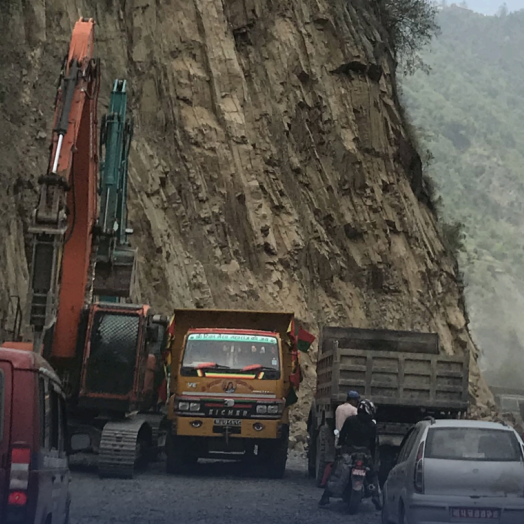
In Nepal, approximately 80 percent of the country is vulnerable to multiple natural hazards. Kathmandu Valley is the world’s most at-risk seismic urban area. High urban density and largely unimplemented building codes compound potential earthquake risk. Nepal has experienced significant earthquakes every few generations, with the most recent high-magnitude earthquakes occurring in April and May 2015 when epicenters outside the Kathmandu Valley caused damage and loss of over $7 billion and needs of $6.9 billion.
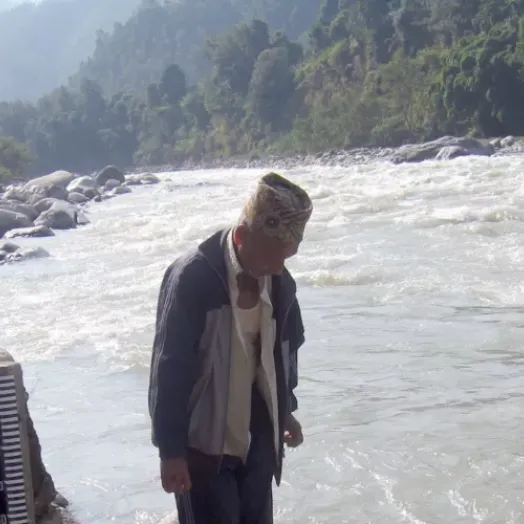
Flooding of the Kosi River, the largest in Nepal, and other rivers is common. Furthermore, glacier thinning and retreat in the Himalayas has resulted in the formation of new glacial lakes and the enlargement of existing ones. These lakes are inherently unstable and subject to catastrophic drainage and Glacier Lake Outburst Floods (GLOF). Recent surveys indicate that many glacial lakes in Nepal are expanding at a considerable rate, increasing the risk of the danger they pose.
Government Priorities
Nepal has taken steps to advance disaster risk management (DRM) and improve climate resilience. It approved a National Strategy for Disaster Risk Management in Nepal in 2009 and launched a Nepal Risk Reduction Consortium in 2011, an arrangement that united humanitarian, development, and financial partners with the government to reduce disaster vulnerability. Following the 2015 earthquakes, the government created the National Reconstruction Authority (NRA) to take a more centralized approach to recovery efforts.
To further reduce risks and advance its DRM agenda, national priorities include:
- Improving school and hospital earthquake safety;
- Enhancing preparedness and response capacity at all levels;
- Building capacity for climate resilient infrastructure and flood risk management;
- Building the role of communities as local first responders and risk reducers; and,
- Strengthening the government’s capacity to implement DRM policies, such as land use planning and building codes.
Since 2008, GFDRR has enabled efforts to understand and manage seismic and flood risk in Nepal, as well as rebuild more resiliently after disasters.
Current GFDRR activities are facilitating efforts to improve the safety and quality of Nepal’s school infrastructure. Activities have conducted a damage and structural integrity assessment of school facilities and developed a long-term reconstruction plan that will serve as a basis for a future comprehensive investment. Additionally, GFDRR has been providing capacity building and technical assistance to government agencies in Nepal in several areas, including the evaluation of high value hydrology, radar, lightening detection, and related procurement packages. Technical assistance has also been provided to support the design of the Nepal Agrometeorological Management Information System (AMIS).
Following the 2015 earthquakes, GFDRR helped the Government of Nepal identify reconstruction and recovery needs, access large-scale funding, and begin rebuilding more resiliently. This included support for a government-led post-disaster needs assessment and post-disaster recovery framework, which helped Nepal secure over $4.1 billion for reconstruction and recovery, including $200 million from the World Bank for housing reconstruction. GFDRR support also helped guide preparations for $300 million in additional World Bank financing for housing reconstruction.
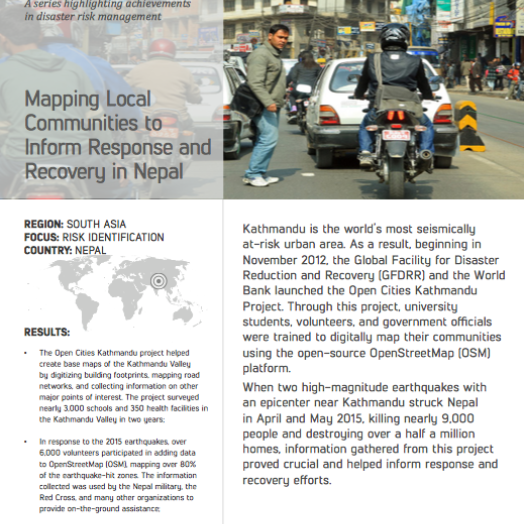
Early grant support helped Nepal better assess its natural hazard risks such as flooding at the district level. In 2012, GFDRR and the World Bank launched the Open Cities Kathmandu Project, which trained volunteers to create base maps of the Kathmandu Valley. These preparedness and risk reduction efforts were utilized and expanded following the 2015 earthquakes by the Nepal military, Red Cross, and other organizations.
GFDRR anticipates continued demand for activities that:
- Enhance the resilience of critical infrastructure to climate change and natural disasters, including geo-hazard and landslide risk management in transport sector;
- Strengthen capacity for hydromet monitoring, forecasting, and the delivery of quality climate services;
- Support rebuilding schools, homes, and other infrastructure following the 2015 earthquakes; and,
- Strengthen the Government of Nepal’s institutional capacity to manage disaster risk, recovery and administer the NRA.