Natural Hazard Risk
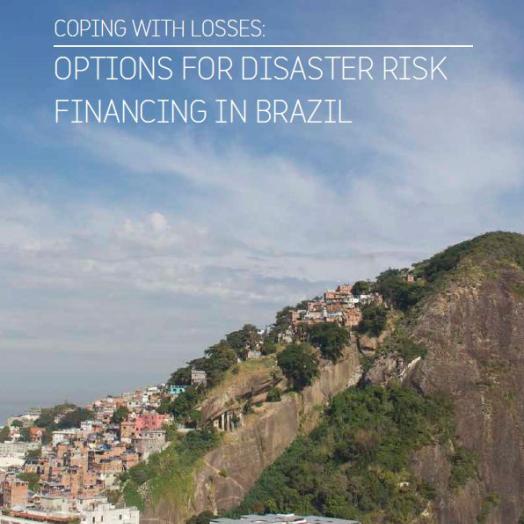
Brazil is one of the world’s largest territories and is exposed to a variety of natural hazards. Drought and excess rainfall, resulting in recurrent floods and landslides, are the most frequent and disruptive events and especially impact urban areas. In 2011, floods, landslides, and mudslides in Rio de Janeiro claimed about 1,000 lives and incurred total losses of 1.35 percent of the state’s gross domestic product. Climate change is projected to increase the frequency and severity of these events.
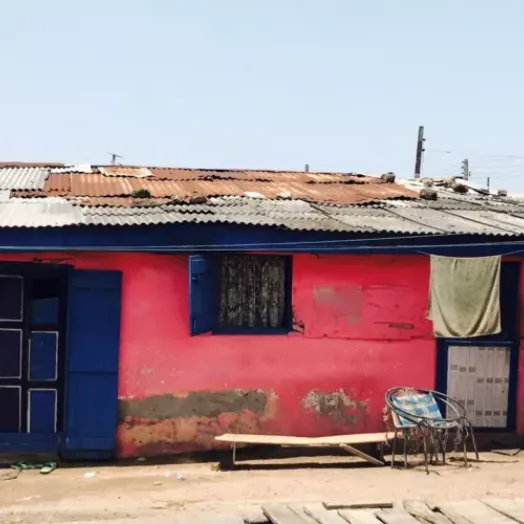
According to GFDRR-financed analysis, Brazil’s average annual losses from natural disasters are estimated at $3.9 billion, with most impacts felt in the housing sector and by the poorest, most vulnerable populations. Rapid unplanned urbanization since the 1960s has resulted in development on unsafe areas (floodplains, steep hillside slopes) and exposed urban residents and public infrastructure to natural hazards. Between 2009 and 2014, nearly every highly populated municipality in Brazil was affected by floods and about 50,000 low-income homes were destroyed.
Government Priorities
Brazil increasingly is moving from response-oriented to proactive disaster risk management (DRM) and investing to ensure DRM continuity by building technical capacity at the federal, state, and municipal levels.
In 2012, the government invested in measures to produce risk information that supports informed decision-making and improves risk-management strategies. One of these actions created a National Natural Disasters Database.
The federal government is now responsible for preparing the National Civil Protection and Defense Plan and for identifying the most disaster-prone municipalities. And all municipalities are newly required by law to follow disaster risk management guidelines.
To further advance its DRM agenda, the government is prioritizing the following:
- Improving infrastructure resilience and urgan and land-use planning;
- Strengthening DRM institutions, laws, and programs at all levels of government; and,
- Enhancing the field of DRM nationwide.
Since 2011, GFDRR has supported mainstreaming disaster and climate resilience into Brazil’s broader development agenda, including in urban areas.
Drought is an issue in Brazil and since 2012, the semiarid Northeast has been suffering from prolonged drought, which is already in its fifth consecutive year. Newly approved GFDRR activities will implement an agriculture drought monitoring and prediction system pilot in Brazil’s Ceará State, using technology developed by the Government of Japan.
Under the City Resilience Program, two cities from Brazil (Manaus and Porto Alegre) participated in the Comprehensive Financial Solutions for City Resilience Conference in Bangkok, Thailand in November 2017. Moving forward, both cities will be preparing a concrete Capital Investment Plan to enable the mobilization of various sources of private capital to finance resilient urban infrastructure.
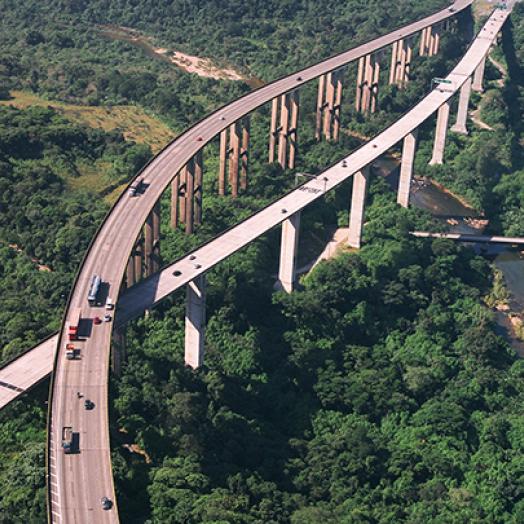
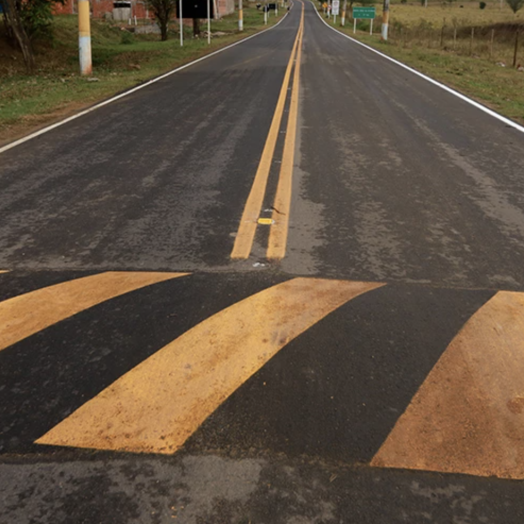
With help from GFDRR, Brazil is strengthening the disaster resilience of federal highway infrastructure. Activities are supporting preliminary diagnostics of current DRM frameworks for federal road infrastructure, identifying priority actions to strengthen road infrastructure climate resilience to be included in a potential future World Bank lending operation.
Initiated by GFDRR’s 2014 analysis of risk-financing options in Brazil, ongoing GFDRR-financed technical assistance has supported building capacity of planning, finance, and civil defense authorities at the municipal, state, and federal levels to assess the financial implications of disaster risks and make informed risk-reduction investments and risk-financing decisions.
In parallel, since 2014, GFDRR has supported technical assistance to improve national and municipal capacity to assess disaster risks and make informed risk reduction investments and risk financing decisions. For example, GFDRR activities supported the State of Santa Catarina in developing guidelines on probabilistic disaster risk assessments and ensuring innovative approaches to risk assessment are included in developing planning.
Initial GFDRR assistance began after the 2011 floods in Rio de Janeiro. GFDRR supported national-level capacity building to carry out Damage and Loss Assessments (DaLA), which concluded that natural hazard events from 2008, 2010, and 2011 cost as much as $9 billion in combined damages and losses. These DaLA findings led to a GFDRR-supported technical assistance to develop a national DRM plan and promote inter-agency collaboration to ensure its success.
Moving forward, GFDRR anticipates continued demand for:
- Institutionalizing DRM by enhancing cooperation among institutions and strengthening the national DRM plan;
- Building on the findings of the Risk Financing Options Report to strengthen the financial resilience of federal and state governments; and,
- Improving urban planning, natural-hazards management, and sub-national risk transfer to improve urban resilience.