What's New from GFDRR
Events
Blogs
 Akiko Urakami
 Koji Nishida
 Natalia Romero
 Robin Middelanis
 Yasuhiro Kawasoe
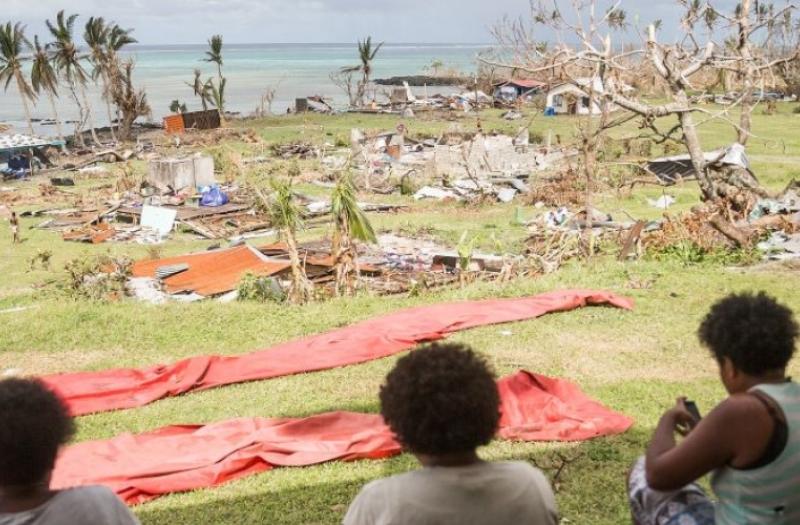
In the days that follow a disaster – a flood, a cyclone, an earthquake – governments and aid agencies face an agonizing challenge: with limited resources and millions in need, who gets help, and how much? Get it wrong, and cash transfers reach many people but don’t take into consideration their economic needs and are too small to make a difference. Get it right, and the same budget can prevent millions from falling into poverty.
Adaptive social protection programs which combine social protection, disaster risk management, and climate adaptation are well designed to navigate exactly this trade-off. A new paper offers the first global, systematic analysis of their effectiveness. Its key finding: when the primary goal is to prevent households from falling deeper into poverty, programs that prioritize meaningful support to the poorest tend to perform better than spreading the same budget thin and giving everyone a little.
 Keiko Sakoda
 Jayashree Srinivasan
 Ana Campos Garcia
 Abubakari Ahmed
 Santiago Ezequiel Arias
 Kaoru Irisawa
 Björn Philipp
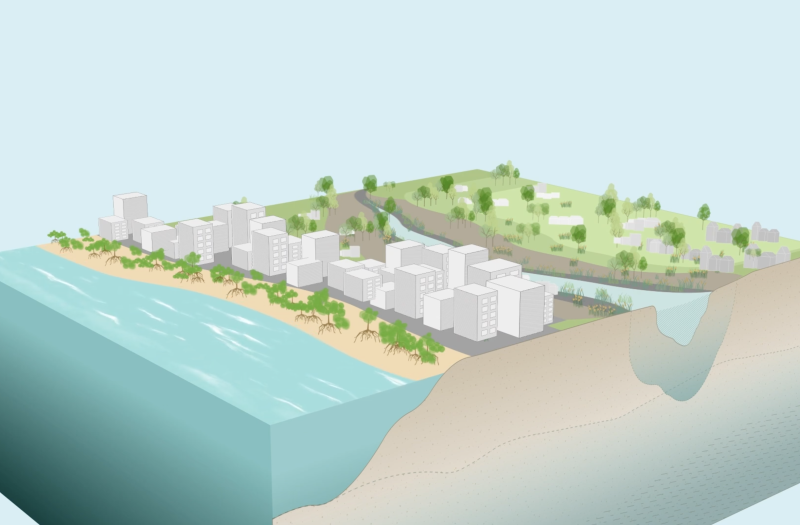
Pacific Island cities are engines of economic opportunity, generating between 50 and 70 percent of national income. But they are also among the most hazard-exposed urban areas on the planet: one storm, flood, or coastal surge can close ports, block roads, or shut down businesses. When that happens, jobs disappear — sometimes permanently.
With Pacific urban centers projected to host nearly half of the region’s population by 2050, understanding the risks they face is essential. Drawing on the Livable Pacific Cities and Towns Spotlight: Tides of Change – Urban Resilience Across Pacific Landscapes report, this blog explains how World Bank Group diagnostics can help Pacific Island governments better understand their hazard exposure and make smarter decisions for jobs and growth.
Videos
This response was generated with the assistance of artificial intelligence, and it may contain errors or reflect biases. Please verify all information before use.