
Saint Lucia has faced years of increasingly heavy rains, flash floods, and overflowing rivers, events that hit hardest in communities where homes, schools, and small businesses sit close to waterways. For residents of Castries and Anse La Raye, flooding is a recurring disruption that affects livelihoods, mobility, safety, and the local economy. When the Government of Saint Lucia and the World Bank set out to prepare a new investment focused on urban flood resilience, the goal was clear: the project needed to be implemented rapidly and deliver real improvements for communities who have waited a long time for change.
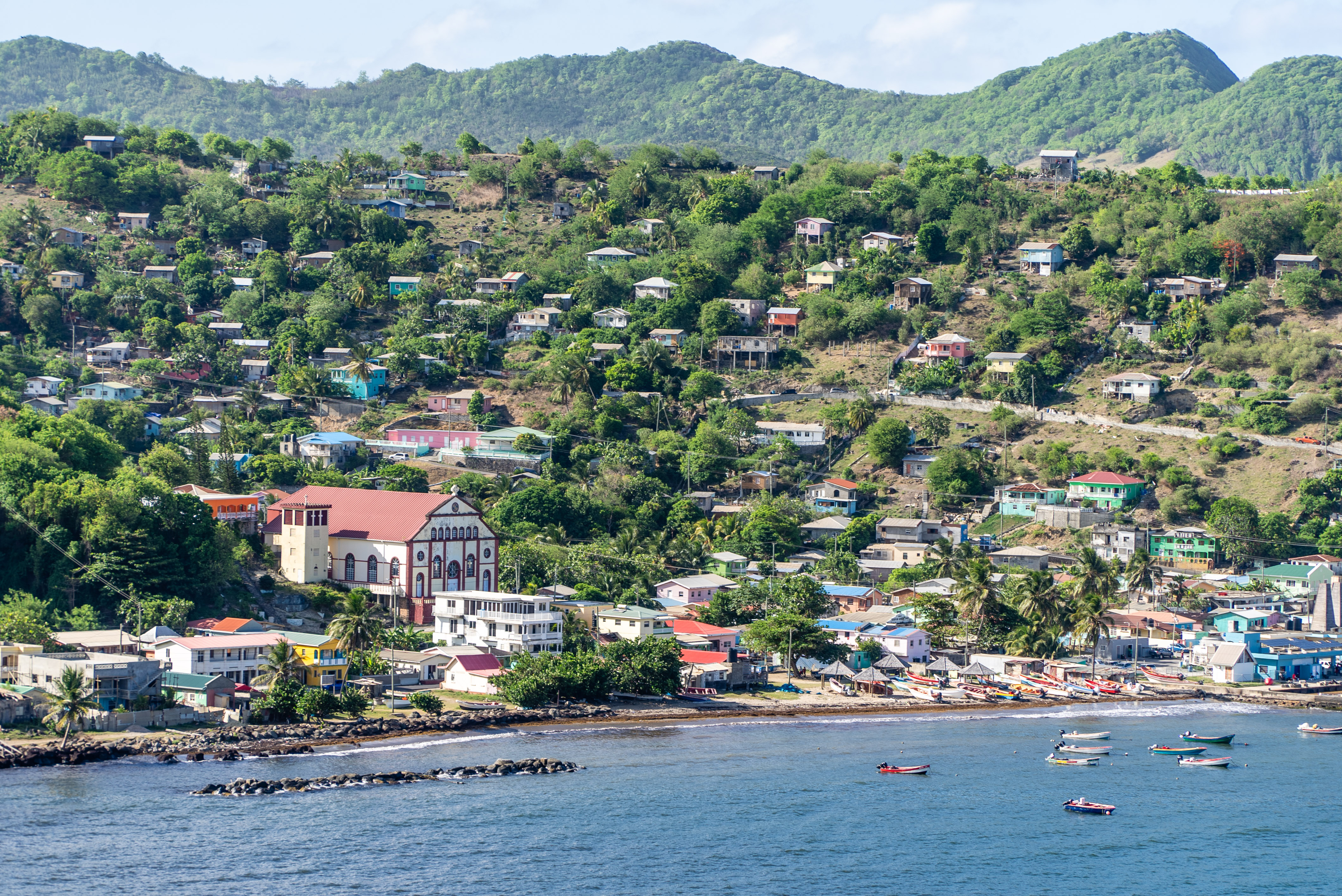
Photo credit: Chris Morgan / World Bank
Fast-Tracking Resilience
The Saint Lucia Urban Resilient Flood Investment Project, approved for $25 million, is expected to benefit nearly 67,000 people. The project will upgrade critical flood infrastructure and introduce nature-based solutions (NBS), such as river restoration and green corridors, to make vulnerable areas safer and more livable. What sets the project apart is how quickly it reached approval and implementation, enabled by years of prior analysis and targeted tools for investment planning.
This new project builds directly on the seven-year Disaster Vulnerability Reduction Project (DVRP), which established a strong understanding of how floods cascaded through Saint Lucia’s urban systems. As DVRP closed, pre-feasibility studies and a project preparation grant bridged lessons learned to the next phase of investments, while allowing the government to staff the project implementation unit in advance enabling implementation to begin immediately after approval. As a result, the country entered this new phase with a clear view of its flood risks, institutional needs, and the opportunities for smarter, more sustainable solutions.
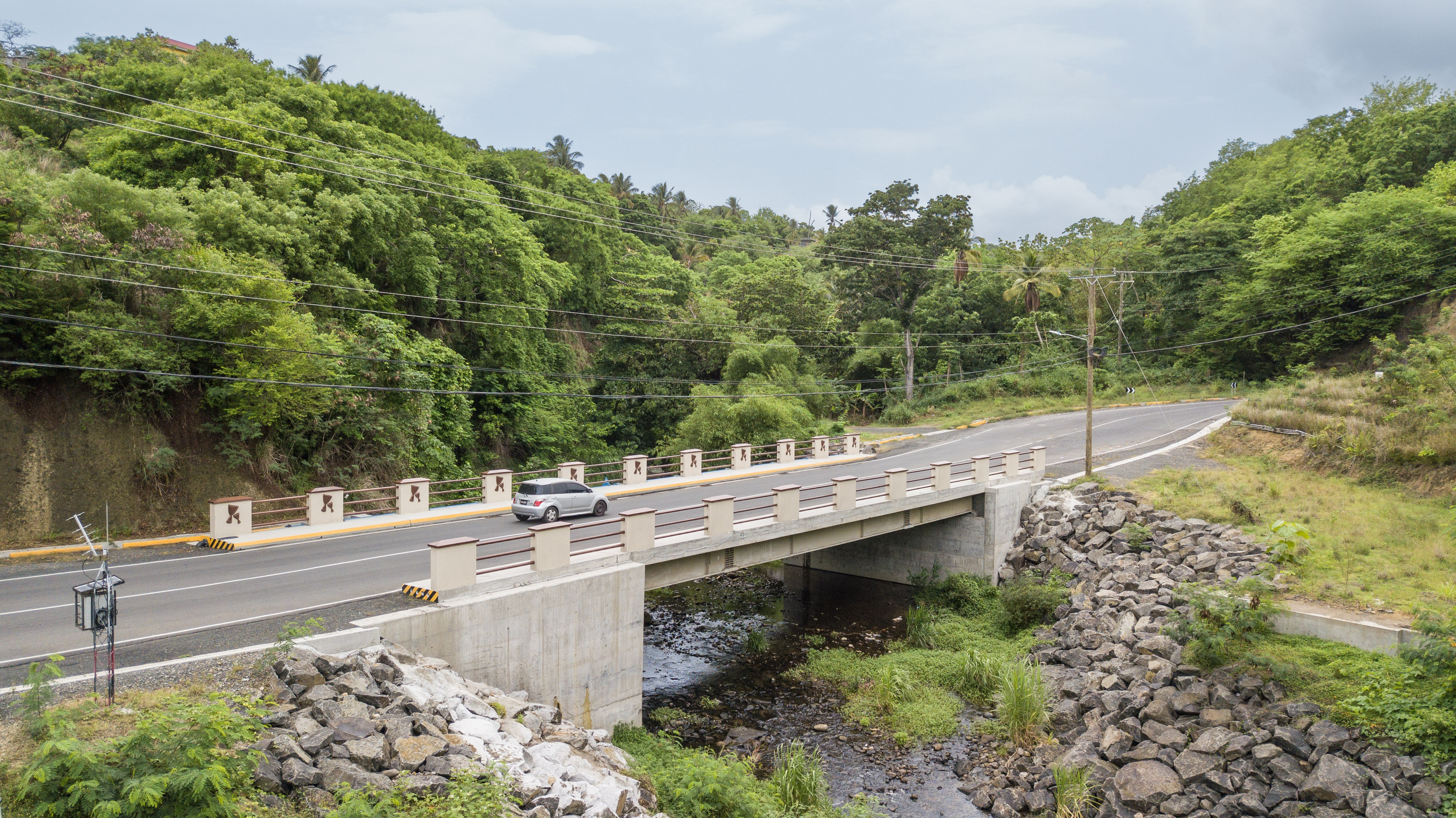
Photo credit: Chris Morgan / World Bank
Innovation in Action: Nature-Based Solutions Opportunity Scan
The turning point came with the introduction of the Nature-Based Solutions Opportunity Scan (NBSOS), a tool developed by the Global Facility for Disaster Risk Reduction and Recovery (GFDRR). NBS were always part of the conversation, but the tool made it possible to identify, evaluate, and prioritize specific investments that complemented traditional flood infrastructure. It transformed an initial, exploratory idea into a structured, evidence-based investment package.
Most importantly, the NBSOS helped the team design a preparation timeline that was fast and implementation-ready. With the tool, the government and the World Bank team could pinpoint where NBS would have the greatest impact, what technical work was needed, how these solutions could align with the proposed infrastructure upgrades, and how to communicate the benefits clearly. That step-by-step clarity allowed the new project to begin moving on day one, with priority investments already identified and scoped.
This approach also reflects the World Bank’s push for tools that help teams prepare high-quality projects faster, without sacrificing rigor. In Saint Lucia, the NBSOS did exactly that, accelerating preparation, strengthening technical alignment, and combining engineering and ecological solutions.
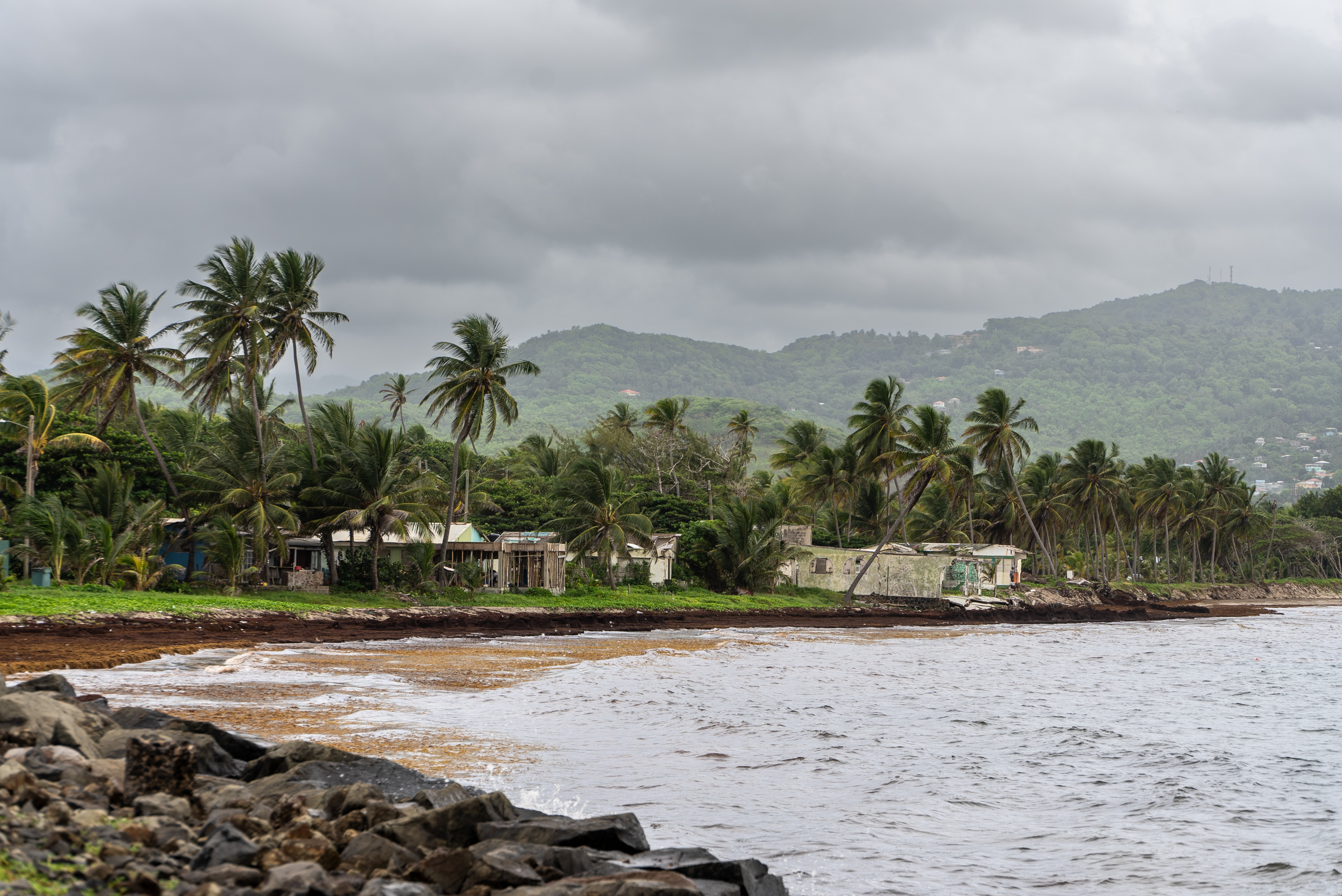
Photo credit: Chris Morgan / World Bank
Another key part of the story is collaboration. Project preparation was supported by the European Union (EU) through the GFDRR-managed EU Resilient Caribbean (EUReCa) Program. This partnership brought together GFDRR’s tools and technical support, EU resources to deepen the analytics and accelerate readiness, and a World Bank operational team able to design an investment ready to move quickly into implementation.
For communities in Castries and Anse La Raye, this speed makes a real difference. In Castries, the grant is helping the City Council improve waste and urban stormwater management by putting in place the plans and equipment needed to modernize and standardize operations and maintenance. That work is laying the groundwork for safer riverbanks, restored waterways, green corridors, and upgraded flood systems to take shape sooner, bringing jobs and economic opportunities forward while giving local institutions an actionable roadmap to combine nature-based and traditional infrastructure over time.
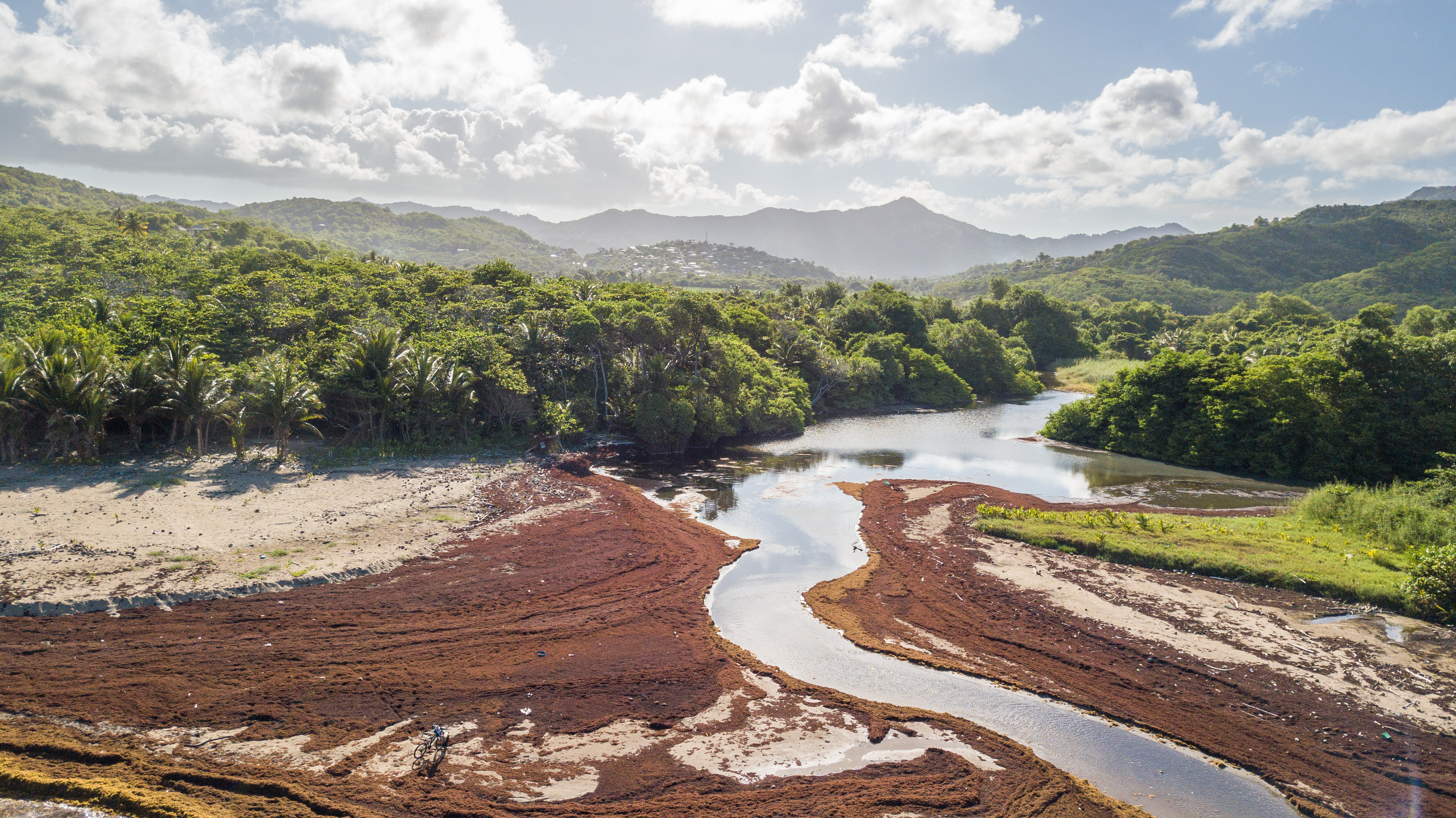
Photo credit: Chris Morgan / World Bank
Bringing It All Together: A Blueprint for Scaling Resilience
In many ways, this project brings together years of steady engagement: the data and lessons from DVRP, the project preparation support that bridged analysis and design into action, and the use of the NBSOS to clarify and sequence priority investments. These foundations gave Saint Lucia a clear path forward and allowed the new project to move quickly from design to implementation readiness.
Saint Lucia’s experience offers a blueprint for other countries facing urgent climate risks: invest in preparation, embrace innovation, and build strong partnerships to turn resilience from a plan into reality. By grounding decisions in early analytics and using practical tools like the NBSOS, countries can shape projects that are faster to prepare, easier to implement, and better aligned with community needs. For Saint Lucia, this means a future where communities are better protected, ecosystems are strengthened, and people have more opportunities to thrive.