
“I always wanted to study in a new school. I dreamed of learning in a modern building, playing with my friends in the gym, having a spacious library and a cafeteria, and staying warm in the classrooms during winter.”
For one student in the southern Kyrgyz Republic, that dream finally came true this September. As the new school year begins, students across the country are stepping into brighter, safer, more resilient classrooms, as part of a major milestone in the Enhancing Resilience in Kyrgyzstan (ERIK) Project. By October 2025, six new schools have been completed, transforming the learning environment for hundreds of children and advancing safer education in one of the world’s most earthquake-prone regions.
Facing the Challenge Head-On
In the Kyrgyz Republic, nearly 30% of schools are more than 50 years old, and over 80% are likely unsafe in the event of an earthquake. With around 4,000 schools serving more than a million students, the stakes are high: a major seismic event could cause $390 million in damages, over a quarter of the country’s education infrastructure portfolio. Many schools lack reliable water and sewage systems, rely on coal for heating, and are overcrowded, forcing students into multiple shifts. The result is not just unsafe spaces but also barriers to quality learning.
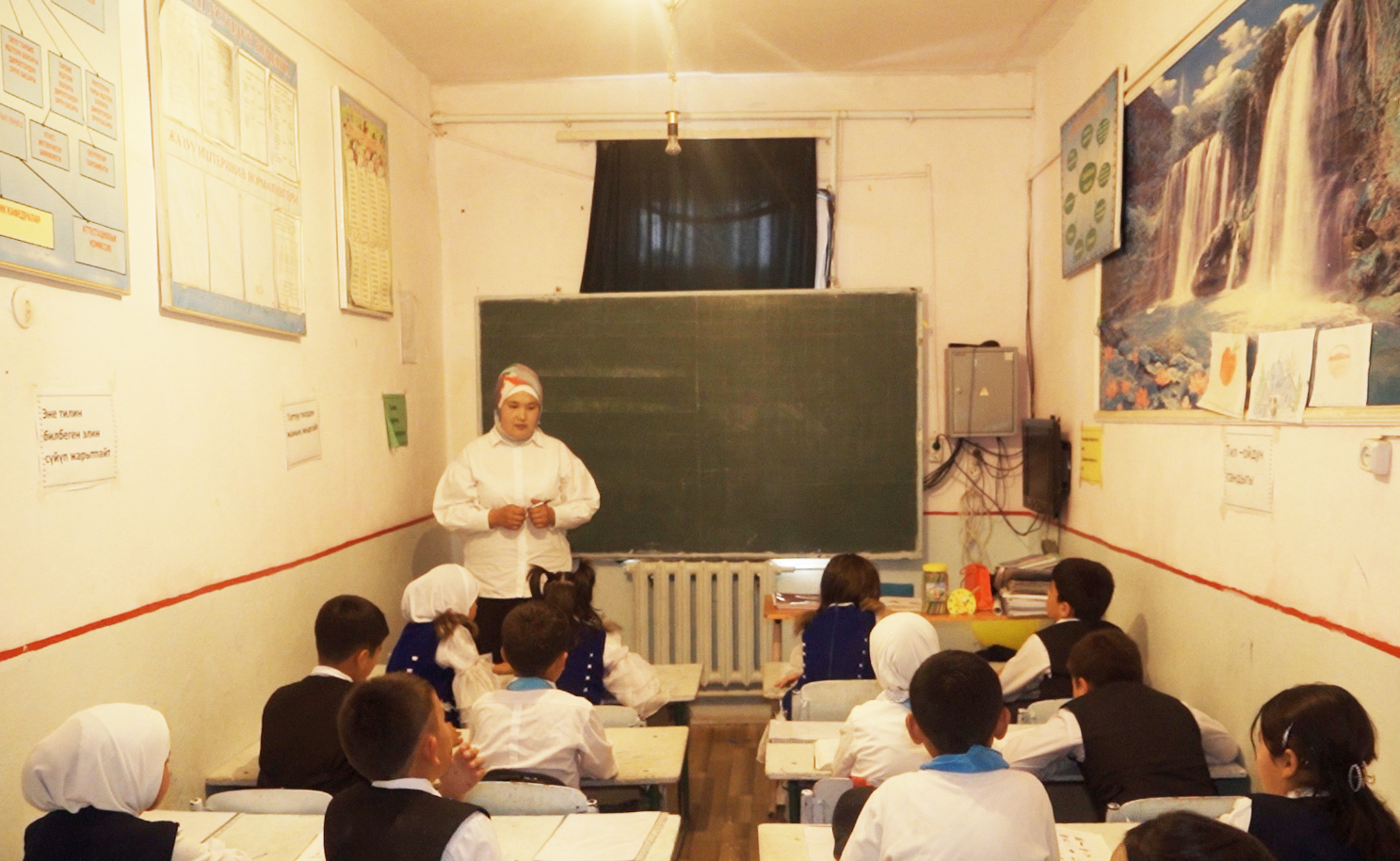
Credit: PIU. Old Sadda School.
A Blueprint for Safer Schools
To tackle these challenges, the Government of the Kyrgyz Republic, with support from the International Development Association (IDA), and the Global Facility for Disaster Reduction and Recovery (GFDRR), launched ERIK — a $105 million Project, with $80 million of its financing focused on safer, high-quality, and more resilient schools nationwide.
Building on GFDRR’s global Roadmap for Safer and Resilient Schools1, ERIK is driving long-term reform through three interconnected key pillars that blend global and international expertise with national leadership:
- Risk-Based Prioritization: Using a multi-criteria approach, the project identified 40 schools for immediate intervention, maximizing the number of children protected per dollar invested. This framework, informed by GFDRR’s disaster risk assessments, considers seismic vulnerability, economic and social benefits, and environmental sustainability.
- Design Innovation: The State Institute of Earthquake Resistant Construction and Engineering Design introduced new seismic design criteria to build the 2018 update to the national building code and established performance-based seismic design standards for the first time.
- Data and Planning: The Ministry of Education and Science, with ERIK support, is modernizing education infrastructure data systems to guide future investments and inform a new National School Infrastructure Plan, now being advanced under an order from the Vice Prime Minister.
Together, these pillars, backed by GFDRR technical support and global best practices, are creating a national model for resilient school infrastructure that goes far beyond individual construction projects.
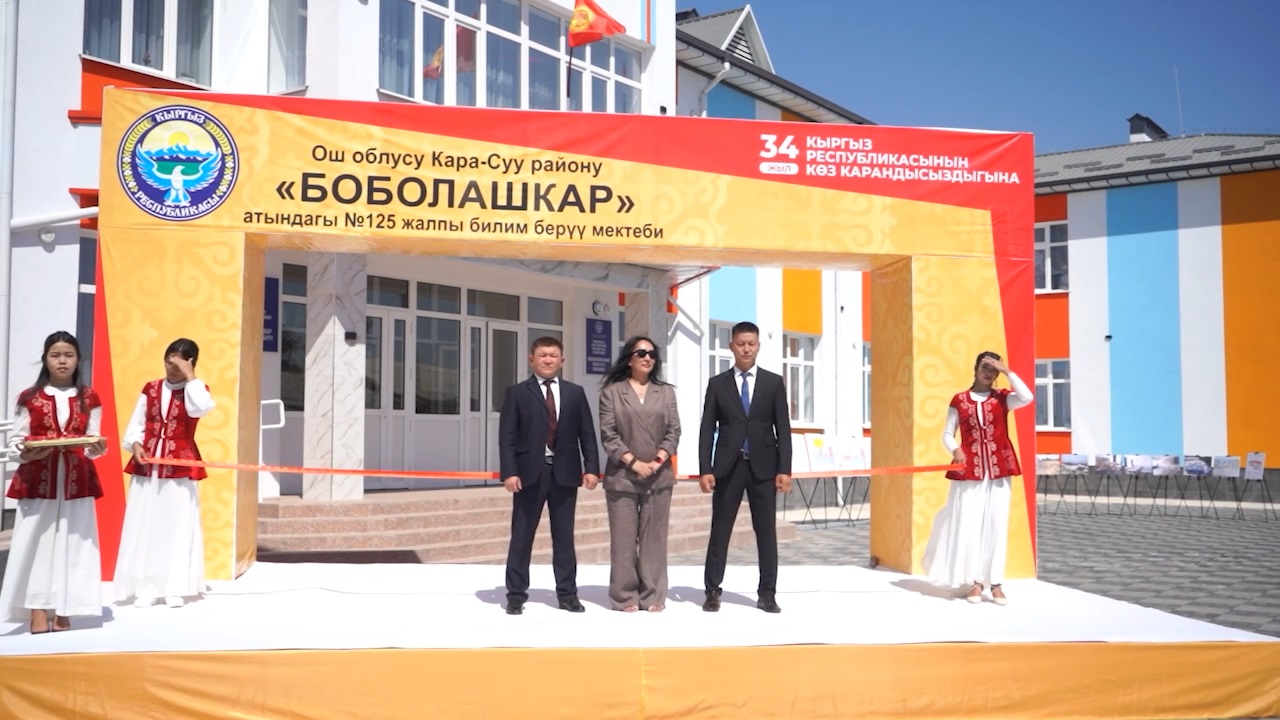
Credit PIU. Opening ceremony for a new school. Featuring the Head of Kara-Suu District, a representative of the Osh Governor’s Office, and World Bank’s Senior DRM specialist, Tolkun Jukusheva.
A Milestone Moment: Three New Schools Open in September 2025
The opening of three new schools marks a major step forward. As noted by World Bank Country Manager Hugh Riddell, these schools are “safer, brighter, and more energy-efficient, with modern WASH facilities that set a new benchmark for learning environments across the country.” They are places where students and teachers can learn with confidence and where families know their children are safe. One of them, the Sadda School in the Suzak district of Jalal-Abad region, illustrates this transformation. Built from clay in 1973 using a community “ashar” method, the old building had cracked walls, poor ventilation, and outdoor toilets.
Today, a new two-story building accommodates 150 students in 10 classrooms, with a sports hall, a concert hall, a cafeteria, a library, an IT lab, and modern science facilities. It is inclusive and healthy, equipped with an elevator, indoor toilets, and systems for clean air and water. Landscaped grounds offer safe spaces for students to learn and play.
“This is the school of my dreams,” says one student. “Everything is new — new desks and chairs, new bookshelves. I can’t wait to study chemistry in the new lab or use the interactive boards in our classrooms. And there’s even an elevator, so everyone can move around easily.”
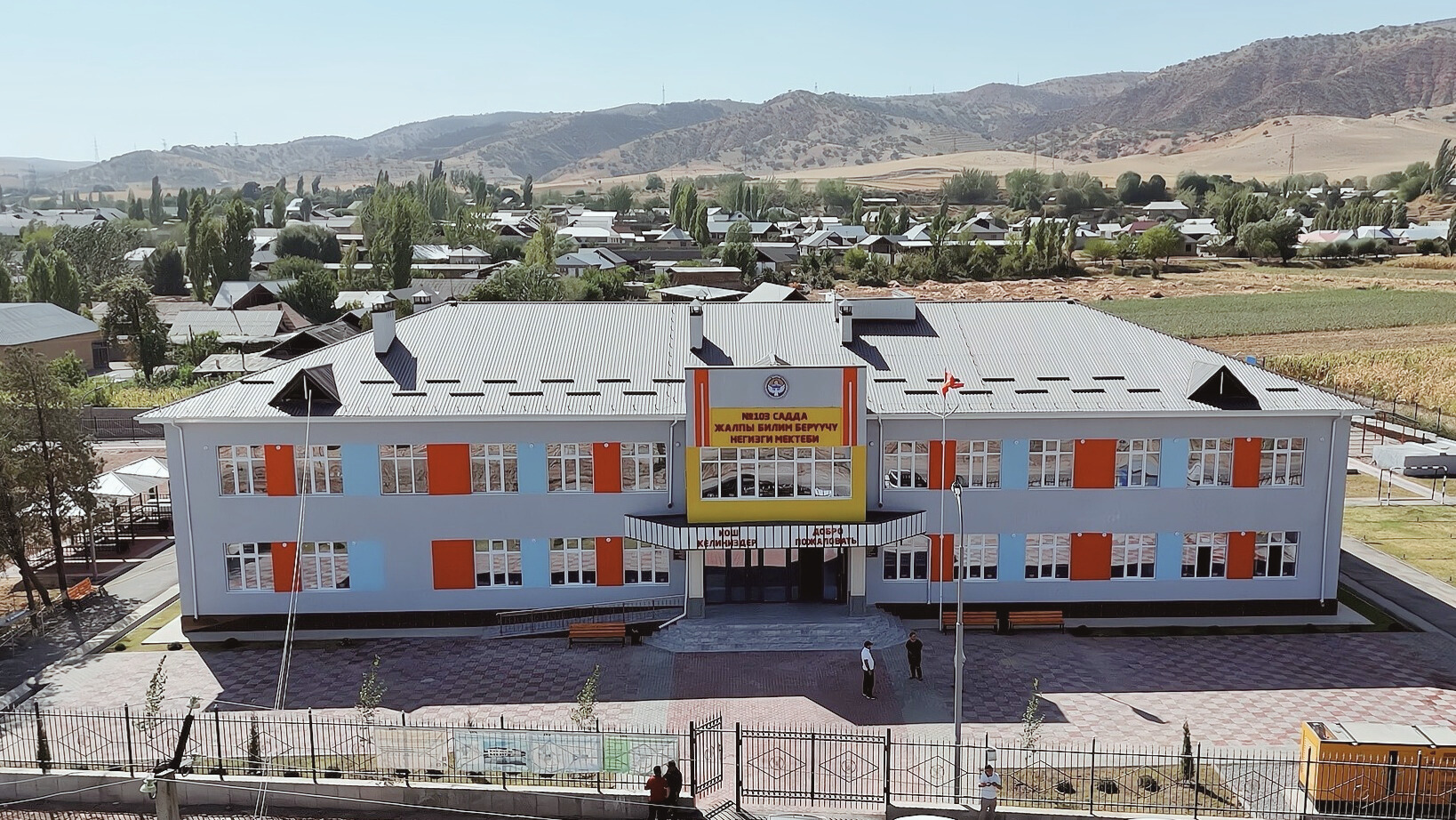
Credit: PIU. New school.
Beyond Bricks and Mortar: A Lasting Legacy
The impact of ERIK goes far beyond the 40 schools being constructed or retrofitted. With GFDRR support, the project is setting new standards for resilience nationwide. Two school design models developed under the project have been adopted by the Ministry of Architecture as the national standards, a milestone that will guide safer construction for decades. GFDRR funding has also helped train engineers, architects, and builders to design and build safer, more sustainable schools.
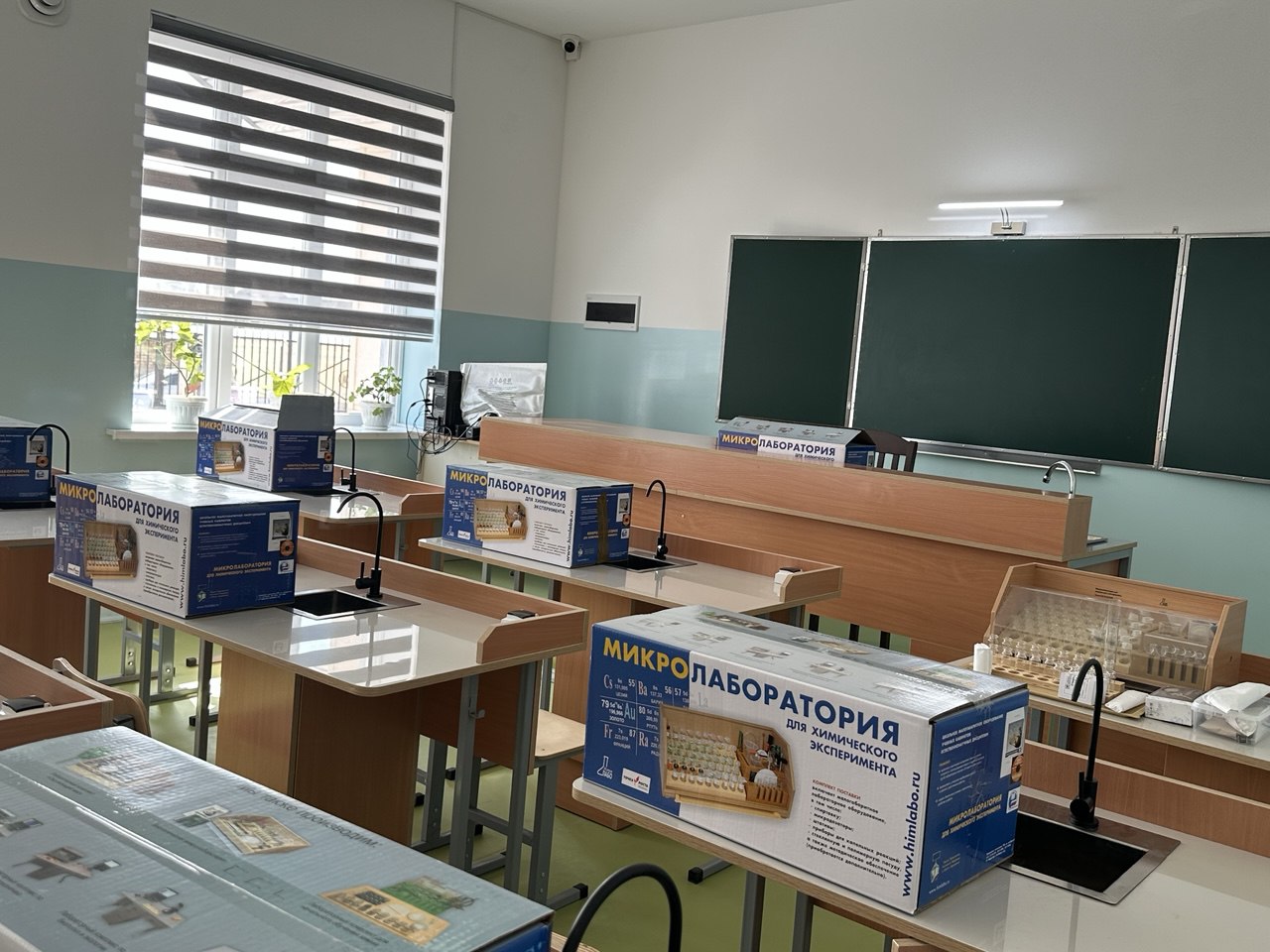
Credit PIU. New science lab
Looking Ahead
The three new schools are just the beginning. As construction and retrofitting continue, each classroom represents not only a safer place to learn but also a step toward a more resilient future.
For students like the boy who once only dreamed of a modern classroom, the change is deeply personal. “The school I once drew really became the school of my dreams,” he says.
Together, the Government of the Kyrgyz Republic, the World Bank, and GFDRR are committed to expanding safer schools, strengthening local capacity, and ensuring every child can learn in a resilient and inspiring environment.