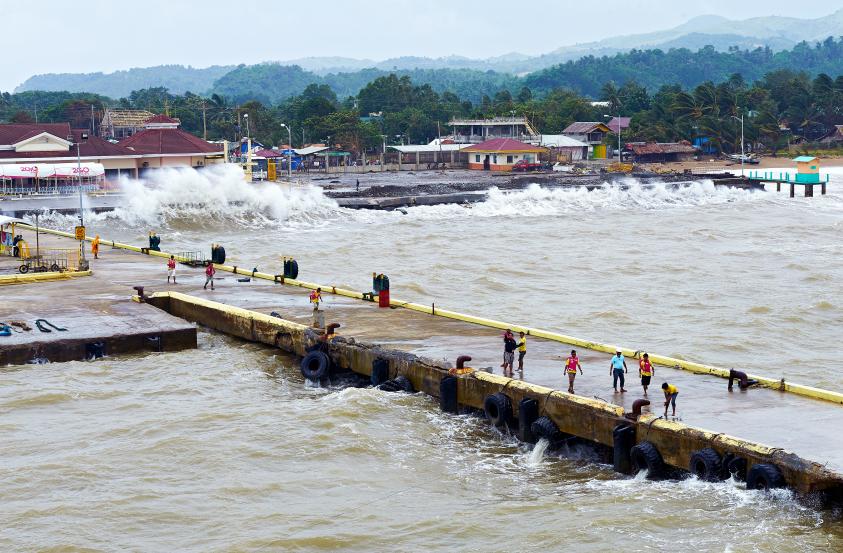
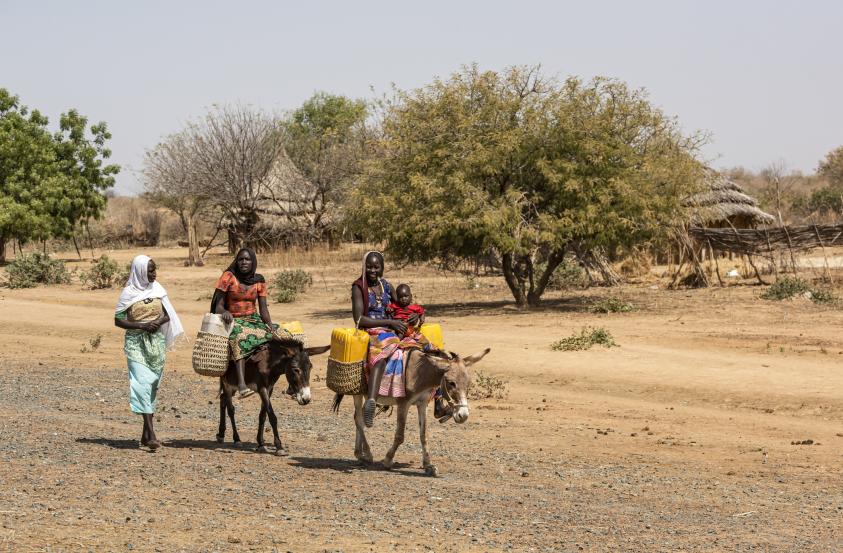
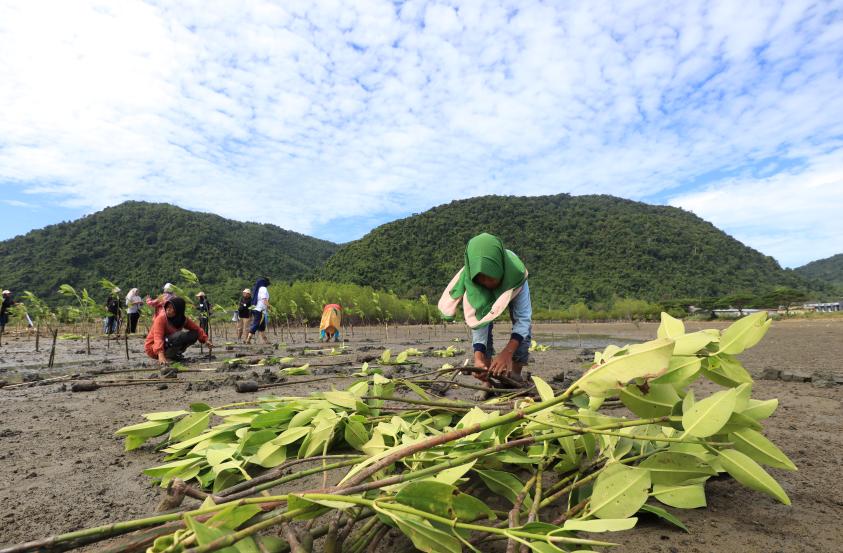
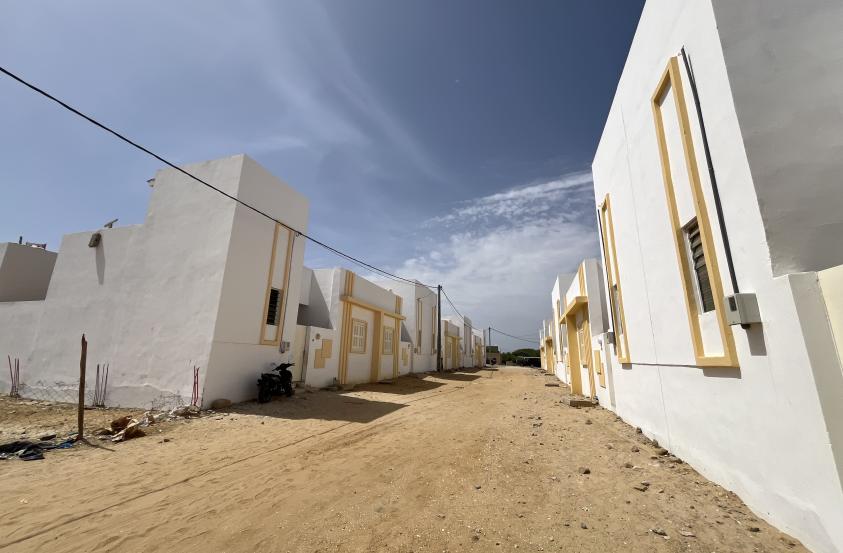
Through its in-country work, GFDRR awards grants for specific activities in line with its seven operating principles:

  1. Demand-driven approach to ensure maximum impact
  2. Leveraging development investments and policies
  3. Focusing on inclusive design and participation
  4. Empowering women and main-streaming gender
  5. Jointly addressing disaster and climate risk
  6. Developing knowledge and sharing best practices
  7. Prioritizing a results-oriented approach

GFDRR’s grants are organized around eight areas of engagement, which represent our priorities in the coming years:

Image
MENA
Monitoring and evaluation
Learn more about how we monitor and evaluate the GFDRR Portfolio to drive improved performance.
What We Do
GFDRR helps bring resilience to scale in a range of thematic areas.
City Resilience Program
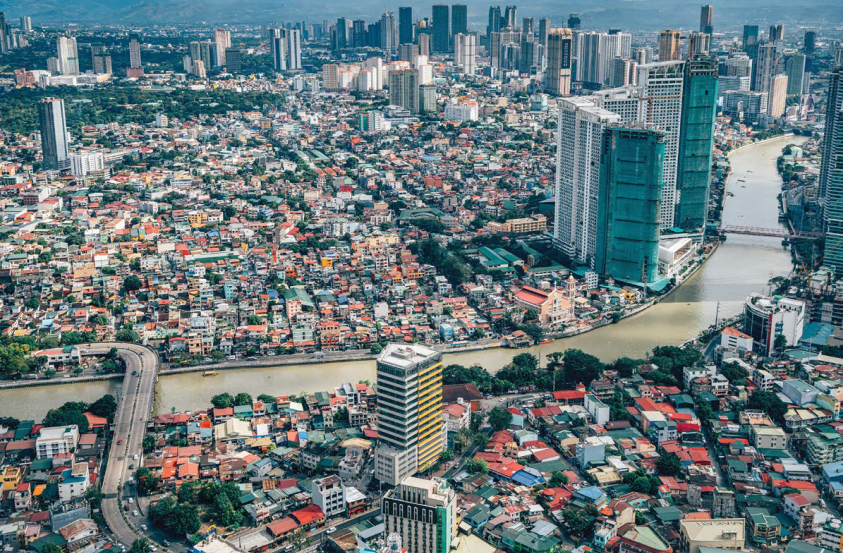
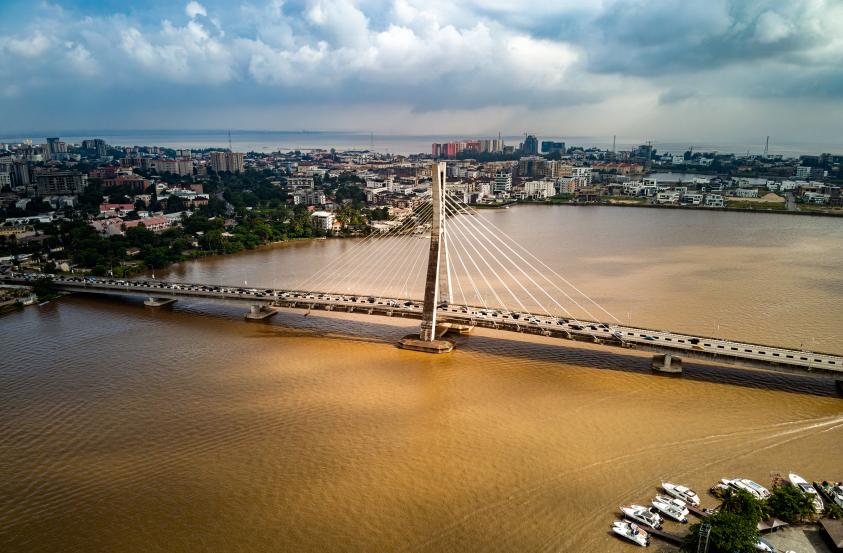
Growth and opportunity are concentrated in cities. So is risk. At the City Resilience Program, we embed resilience into urban planning, infrastructure, investment and government. 
Learn More
Small Island States Resilience Initiative
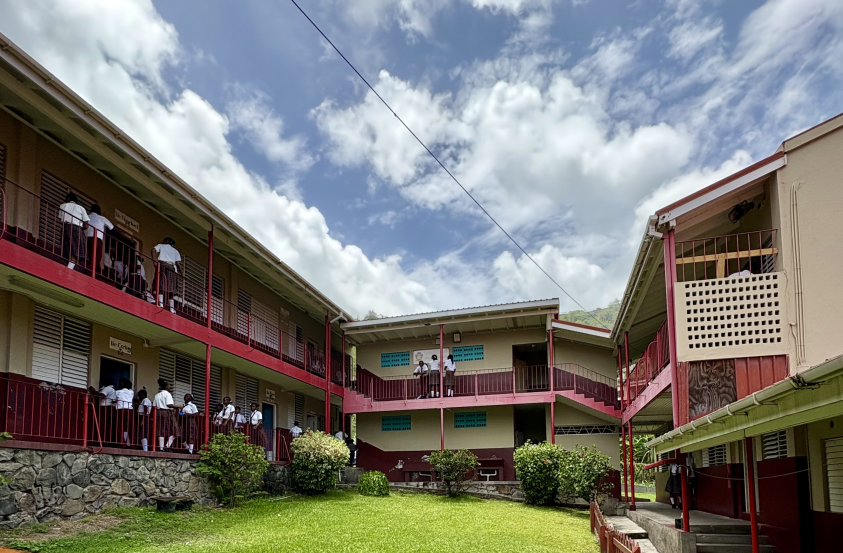
GFDRR is helping small island states build larger pipelines of resilience investments to withstand the impacts of climate change – from safeguarding coastal areas to building safety nets that protect citizens after disaster strikes.
Learn More
Africa Hydromet Program
The Africa Hydromet Program is a partnership of development organizations working to improve weather, water, and climate services throughout sub-Saharan Africa.
Learn More
Building Regulation for Resilience
Building Regulation for Resilience promotes the enhancement of building regulatory frameworks, building control process, and implementation capacity to foster safer, greener, healthier, and more inclusive built environments at country, state or city scale.
Learn More
Global Program for Safer Schools (GPSS)
The Global Library of School Infrastructure provides tools to assess disaster risk in the education sector and effectively design school infrastructure investment plans.
Learn More
Global Risk Financing Facility
Learn More
Disruptive Technologies for Disaster Resilience
Aligning with the World Bank's Disruptive Technology corporate priority, the GFDRR Innovation Lab is exploring the use of disruptive technology for disaster risk management and resilience.
Learn More
Improving the Capacities of African Regional Economic Communities for Resilience
.resource { text-align:center; margin:1em 0; } h2.resource{color:black; text-transform:uppercase; margin-top:1.5em} h3.resource{color:black; text-transform:uppercase;} p.resource{ font-size:14px; line-height:18px; } a.resource{display:block; margin:auto;} .rsrcimg
Learn More
Gender Equality
Disasters are not gender neutral. They often affect women and girls disproportionately to men and boys due to gender inequalities caused by socioeconomic conditions, cultural beliefs, and traditional practices.
Learn More
Resilient Urban Development for Saint Vincent and the Grenadines
.resource { text-align:center; margin:1em 0; } .logo {max-height:50px; margin:10px;} h2.resource{color:black; text-transform:uppercase;} h3.resource{color:black; font-weight:bold; text-transform:uppercase;} p.resource{ font-size:14px; line-height:18px; color: #33
Learn More
humor + risk
.alignleft {text-align:left;} .black {color:black;} Humor can help improve communication, build relationships, enhance problem solving, increase productivity, and strengthen leadership.
Learn More
Challenge Fund Round 4
h2, h3, h4, h5, h6 {color:#824bc7;} p {text-align:left; color:black; margin-bottom: 1.5em;} li {text-align:left; color: black;} a {text-align:left; color:#337ab7;} .program-hero {height:0;} Context The Global Facility
Learn More
GFDRR Digest
GFDRR Digest delivers the latest insights on resilience and disaster risk management from the Global Facility for Disaster Reduction and Recovery (GFDRR) straight to your inbox.
Learn More
Caribbean Regional Resilience Building Facility
The Caribbean region is exposed to a variety of natural hazards, including earthquakes, volcanoes, storms, extreme temperatures, droughts, floods and landslides, many of which are regularly aggravated by the recurrent El Niño / ENSO phenomenon.
Learn More
EU-Disaster Risk Financing in Caribbean OCTs
The Caribbean Overseas Countries and Territories (OCTs) are vulnerable to extreme climate events such as hurricanes Irma and Maria, which struck in 2017, but also to multiple hazards such as floods, earthquakes, landslides, drought, and volcanic eruptions.
Learn More
Strengthening Financial Resilience and Accelerating Risk Reduction in Central Asia
(РУССКИЙ) Background The Central Asia region faces frequent low and high impact disasters, and is especially vulnerable to earthquakes, floods, droughts or landslides.
Learn More
Укрепление финансовой устойчивости и ускорение снижения риска бедствий в Центральной Азии
(English) Краткое описание Регион Центральной Азии подвержен частым стихийным бедствиям с низким и высоким уровнем последствий и особенно уязвим перед землетрясениями, наводнениями, засухами или оползнями.
Learn More
The Challenge Fund
Developing countries are often the hardest hit by floods, cyclones, droughts, and earthquakes, yet are also the least equipped to understand or address these risks.
Learn More
Canada-Caribbean Resilience Facility
The Canada-Caribbean Resilience Facility (CRF) works to achieve more effective and coordinated gender-informed climate-resilient preparedness, recovery, and public financial management (PFM) practices in nine Caribbean countries.
Learn More
Online Tools
Check out these tools that allow decision-makers and communities to collect, share, and understand data and information for resilience and disaster risk management.
Learn More
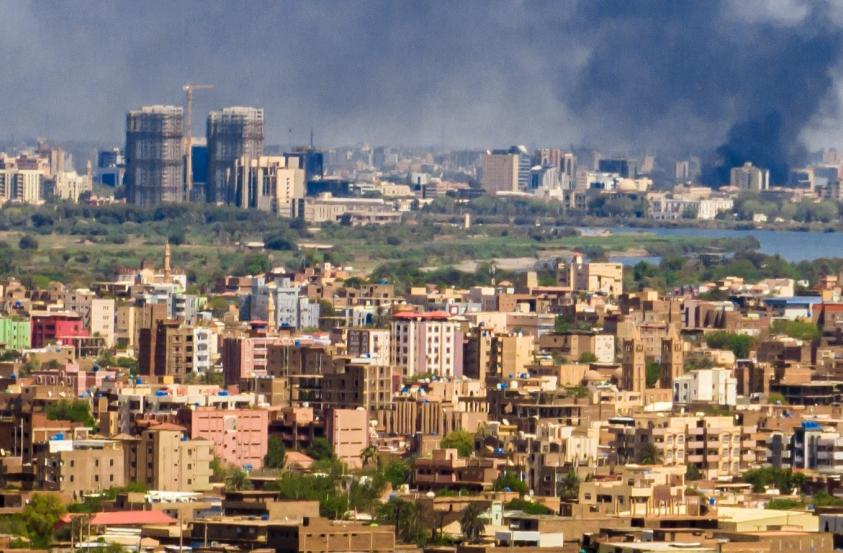
Disaster - Fragility, Conflict and Violence Nexus
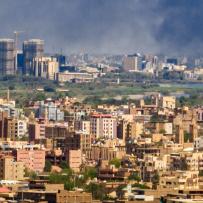
Photo Credit: Black smoke rising over Khartoum, Sudan. Photo: © Abd Almohimen Sayed/iStock. 
Learn More
EU-WB-GFDRR Global Partnership On Disaster Risk Financing Analytics
Population growth, escalating concentration of assets, and climate change are increasing risk exposure and losses from natural hazards.
Learn More
CREWS Caribbean
The Climate Risk Early Warning Systems (CREWS) Caribbean project works to strengthen and streamline regional and national systems and capacity related to weather forecasting, hydrological services, multi-hazard impact-based warnings and service delivery for enhanced decision-making.
Learn More
Digital Earth
The Digital Earth Partnership aims to enhance the resilience of vulnerable countries and communities to climate change and natural hazard disasters through greater access to and adoption of frontier earth observation tools & services.
Learn More
Community Participation and Citizen Engagement
A key principle of inclusive disaster risk management (DRM) is community participation and citizen engagement for more sustainable and resilient outcomes. By employing a bottom-up approach, community-organized DRM activities better accommodate a community’s needs and vulnerabilities.
Learn More