
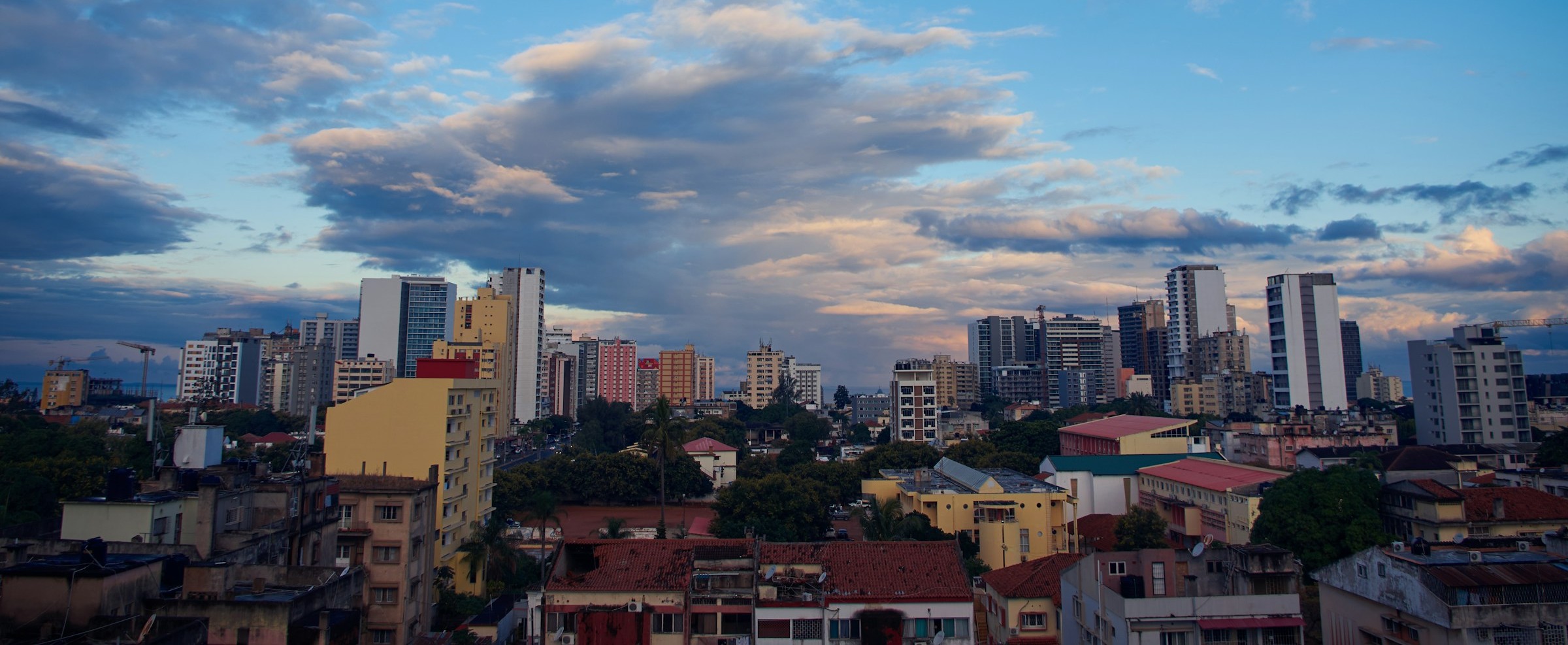
Mozambique, home to more than 30 million people, faces some of the highest climate and disaster risks in southeastern Africa. In its capital, Maputo, the challenge of managing waste, has long tested the city’s resilience. Rapid urbanization, combined with frequent floods and cyclones, is placing mounting pressure on already stretched urban systems. A closer look at the city’s primary dumpsite illustrates the severity of the problem. Every day, more than 1,200 tons of garbage are dumped at the Hulene site, a 17-hectare open landfill located dangerously close to homes and flood-prone areas.
The consequences are severe. In 2018, heavy rains triggered a collapse that resulted in fatalities and people being displaced from their homes. For Maputo, the Hulene incident was a painful reminder of how gaps in solid waste management can quickly become an urban climate risk issue.
In response, Maputo began charting a new course toward safer and more sustainable urban management. Integral to this effort has been the support from the World Bank’s City Resilience Program (CRP), hosted by the Global Facility for Disaster Reduction and Recovery (GFDRR), which facilitated the assessment of private sector participation options for the new KaTembe Sanitary Landfill.
The KaTembe landfill is part of the broader Maputo Urban Transformation Project (MUTP), approved in 2021 with $100 million in International Development Assistance (IDA) financing and $50 million in additional IDA financing. The project aims to make Maputo a more inclusive, resilient, and sustainable city by improving infrastructure, services, and inclusion in its most vulnerable neighborhoods. Within this comprehensive framework, solid waste management emerged as one of Maputo’s most urgent challenges, and one of its greatest opportunities for resilience.
Exploring PPP Delivery Options for New Landfill
When CRP first began its engagement in 2019, the new landfill project in Maputo faced a range of engineering and financial planning challenges. The government’s initial $10 million allocation for landfill development was insufficient to support the original ambition of delivering the landfill through a viable public-private partnership (PPP). In response, CRP supported the landfill planning process with the assessment of PPP delivery options, including the conditions under which private sector participation could be feasible and insights into how the project’s design could be strengthened to make it financially appealing to private sector actors.
CRP explored the financial aspects of different PPP delivery options and assessed the affordability of each within the project’s existing budget. CRP also engaged with potential private operators to understand their level of interest and the types of arrangements they would consider feasible.
This analysis showed two important issues. First, the project’s expected operating revenue was not enough to cover the cost of running the facility to the standards of a sanitary landfill.
Second, the original approach of separating the design and operation of contracts raised concerns among potential bidders. Private operators indicated a preference for a single, coordinated contract to ensure cost-effective delivery with shared overheads, reduced contractual interfaces, and enhanced operational efficiency. Operators cautioned that separating design from operations could compromise critical operational and pollution-control elements, as some aspects require their input and operational know-how.
Accordingly, CRP recommended a Design–Build–Operate (DBO) model, in which a single party manages design, construction, financing, operations, and maintenance, thereby creating incentives for proper maintenance and budget discipline.
CRP’s analysis, including a review of PPP delivery options and landfill operator market sounding, provided the World Bank team with valuable insights needed to secure an additional $50 million in IDA financing, significantly enhancing the financial viability of the landfill project.
From Analysis to Action
As the project progressed, CRP’s role evolved from business modeling for the PPP to supporting transaction preparation, including inputs into drafting a seven-year concession terms for building and operating the landfill and engaging in outreach to qualified potential bidders.
As of early 2026, the procurement process for selecting the operator is underway, marking progress toward bringing a qualified private partner on board. The 60-hectare Katembe landfill facility is designed to safely process all of Maputo’s solid waste and enable the long-awaited closure of the hazardous Hulene dump. Once operational, it will serve 1.5 million residents, reduce environmental risks, and improve overall livability.
While CRP’s scope was focused on facilitating private sector engagement in the delivery and operation of the landfill, the overall project framework also includes initiatives to improve livelihoods, enhance safety, and promote gender and social inclusion.
Lessons for Resilient Urban Development
CRP’s involvement helped the World Bank task team and government counterparts navigate the complexities of engaging the private sector in delivering this critical infrastructure asset. Drawing on financial modeling and preliminary market outreach, CRP provided insights that informed the design of a solicitation package better aligned with market realities, boosting prospects for successful deal closure. Its timely support has strengthened investor confidence and helped the city pursue a sustainable, long-term solution.
Maputo’s experience offers valuable lessons for cities tackling similar challenges. From the tragedy of Hulene to the promise of KaTembe, Maputo’s transformation illustrates how smarter financing, risk-informed investment and market alignment have the potential to unlock long-term resilience. It showed how early integrated financial planning can turn critical service gaps into opportunities for resilience and private sector engagement. With continued collaboration, the city is not only managing its waste more safely but also laying the groundwork for the stronger resilience that will come as its solid waste system matures and strengthens.