Pakistan’s 2022 floods damaged thousands of schools and disrupted learning for millions of children. Beyond rebuilding, the disaster underscored a deeper challenge: how to design education systems that can withstand recurring climate shocks despite limited public resources.
With support from the Japan-World Bank joint program on Mainstreaming Disaster Risk Management in Developing Countries and the Global Facility for Disaster Reduction and Recovery (GFDRR), the Achieving Safe Schools Across Pakistan technical assistance helped lay the groundwork to address this challenge. Rather than offering one-off solutions, the World Bank team worked with federal and provincial governments to develop tools and processes that can be adapted over time, supporting sustained, system-level change.
Bridging the Analytical Gap
Pakistan’s education sector benefits from sustained government leadership and partner support across infrastructure, teachers, curriculum, and systems. Yet in a decentralized system, the absence of a shared, risk-informed framework can lead to fragmented efforts and gaps in protecting the most vulnerable schools.
The initiative addressed this gap by developing a transparent, data-driven approach to prioritize school infrastructure across Pakistan’s diverse geographies and risks. Working with provincial education departments, the team evaluated more than 40,000 schools, combining hazard exposure, structural vulnerability, enrollment, and equity into a practical framework.
The methodology is designed to integrate with existing Education Management Information Systems (EMIS). By embedding risk into routine planning, provinces can update priorities as new data emerge, rather than relying on one-off assessments after disasters.
From Analysis to Action
Alongside prioritization, the team produced engineering guidance for repair, retrofit, and reconstruction tailored to Pakistan’s common school building types. This builds on a nationwide rapid diagnostic of public school infrastructure completed under the engagement, which assessed current conditions, policy frameworks, and vulnerabilities. It includes indicative cost ranges, helping provinces reduce preparation time, improve design quality, standardize specifications, and bundle works for more efficient procurement.
These materials are now available to provincial public works and education departments to use directly in their planning and implementation.
A Timely Milestone
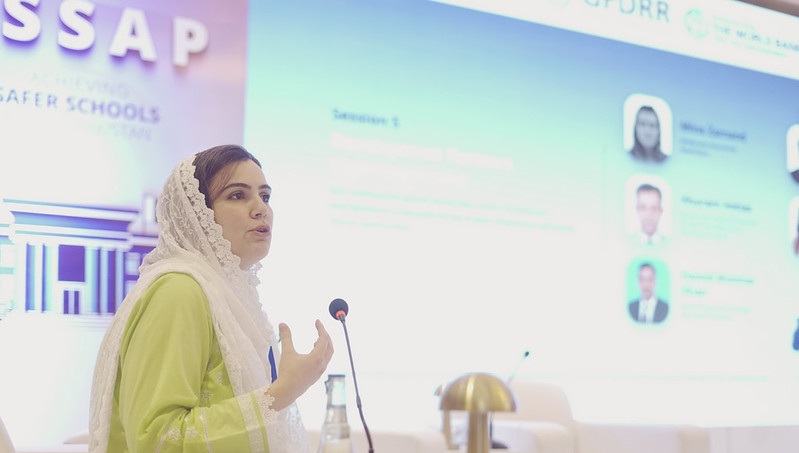
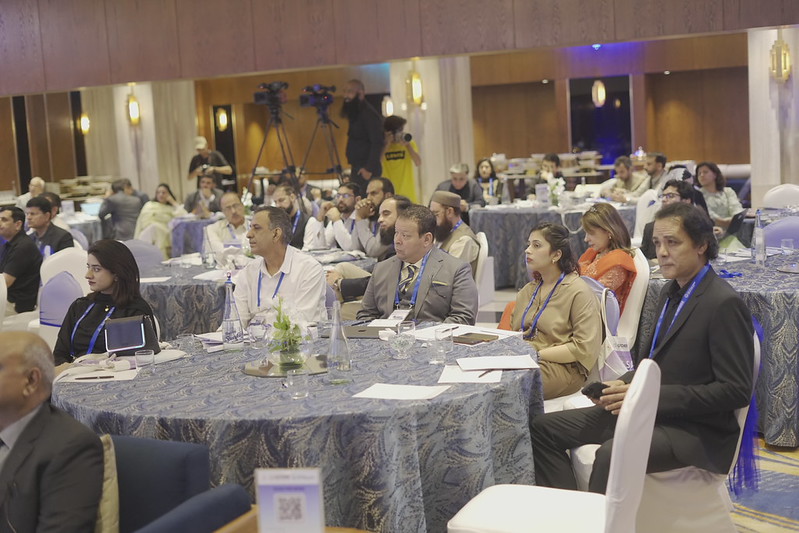
In August 2025, as floods once again displaced communities and damaged infrastructure, the Achieving Safer Schools Across Pakistan conference in Islamabad brought together provincial and federal leaders, development partners, private sector experts, engineers, and academia. The timing underscored the urgency of addressing underlying vulnerabilities that make each disaster so costly.
Opening remarks by Ms. Farah Naz Akbar, Parliamentary Secretary for the Ministry of Federal Education and Professional Training, highlighted a shared responsibility to ensure every child learns in a safe environment. Provincial leaders spoke candidly about challenges, from procurement bottlenecks and land issues to contractor capacity, showing strong engagement despite competing demands.
The event focused on practical dialogue. Participants tested tools, debated specifications, and explored how to align ongoing efforts around the project’s shared framework. It also helped build the sustained relationships needed to translate analysis into action.
Looking Ahead
The project provides provinces with the tools to make more risk-informed investment decisions. Uptake will vary, shaped by budgets, competing priorities, procurement capacity, and political commitments. The World Bank will continue to support implementation through operations, analytics, and policy dialogue.
Progress will be measured not by one-off results, but better decisions over time:
- Annual plans that prioritize the most at-risk schools and the most students
- Rehabilitation and reconstruction guided by standardized technical specifications
- Better coordination among government and partners around a shared evidence base
These shifts help ensure that when disasters strike, learning can continue.
Resilient schools are critical to sustain learning during shocks, reducing education disruptions, and preventing the dropouts and learning losses that often follow disasters.
Ultimately, the goal is simple: safer schools and more resilient education system. This work helps make that possible through proactive, risk-informed planning that protects students today and builds resilience for tomorrow.
Watch this video to learn more about how Pakistan is building a resilient education system for generations to come.