Disaster - Fragility, Conflict and Violence Nexus
Disaster - Fragility, Conflict and Violence Nexus: Understanding and tackling the disaster-FCV nexus
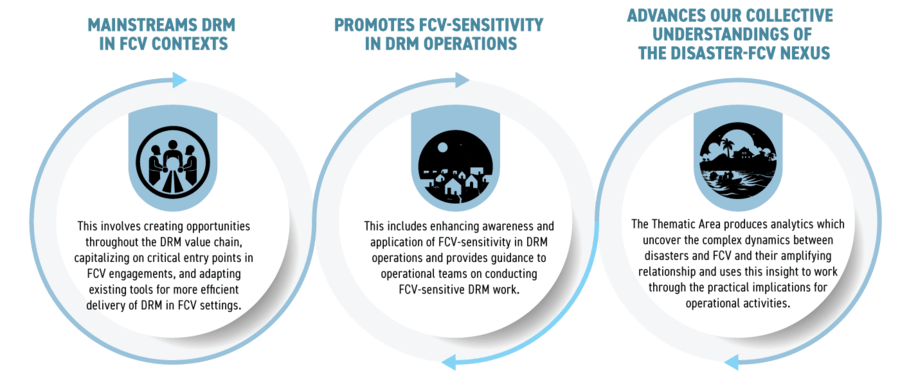
Mainstreaming DRM in FCV contexts: This involves creating opportunities throughout the DRM value chain, capitalizing on critical entry points in FCV engagements, and adapting existing tools for more efficient delivery of DRM in FCV settings.
Promoting FCV-sensitivity in DRM operations: This includes enhancing awareness and application of FCV-sensitivity in DRM operations and providing guidance to operational teams on conducting FCV-sensitive DRM work.
Advancing collective understanding of the disaster-FCV nexus: This involves production of analytics which uncover the complex dynamics between disasters and FCV and their amplifying relationship and uses this insight to work through the practical implications for operational activities.
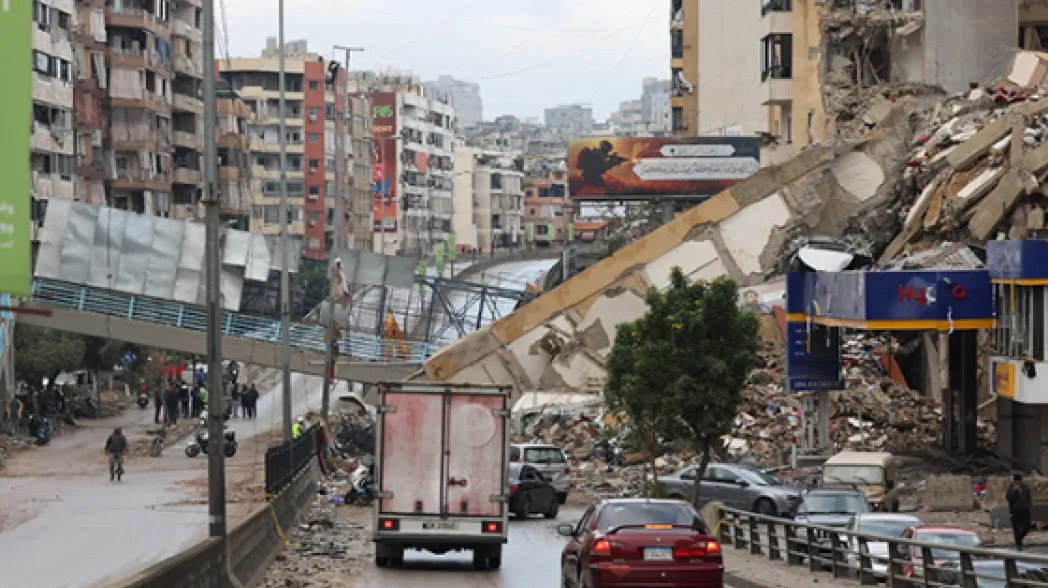
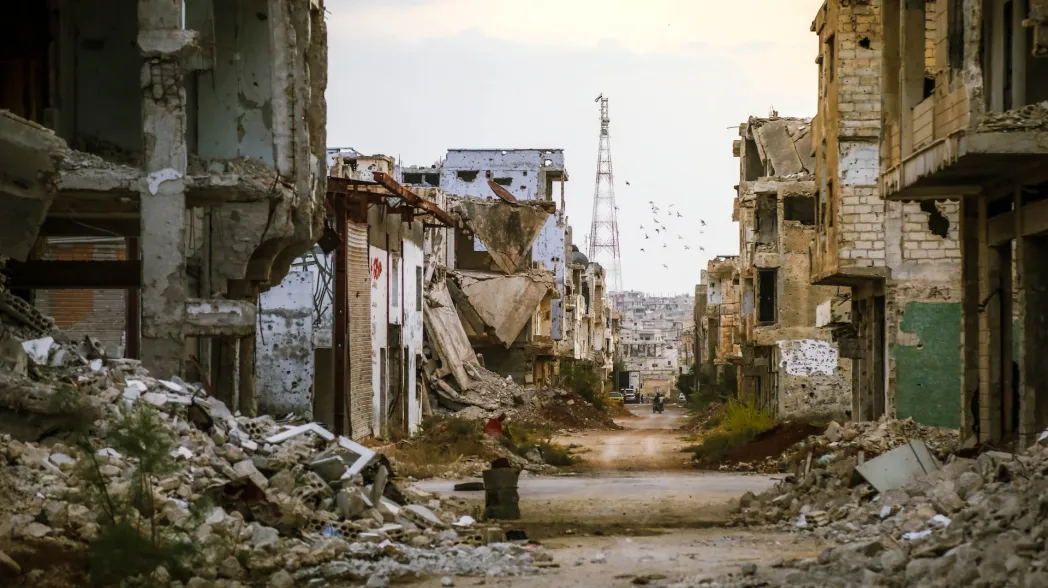
In a world grappling with multiple crises, the overlap between disasters and fragility is intensifying. Despite representing a minority of countries, Fragile and Conflict-affected States (FCS) account for 14 percent of global disaster events, highlighting a disproportionate burden of risk (EM-DAT, 2024). Addressing these challenges at the disaster–FCV intersection is more crucial than ever. GFDRR responds through its Disaster–FCV Nexus Thematic Area, which provides strategic and operational guidance, informs development finance to strengthen disaster resilience in FCV environments, and contributes to global knowledge through original analytics that deepen understanding of how disasters, conflict, and fragility interact.
Highlights
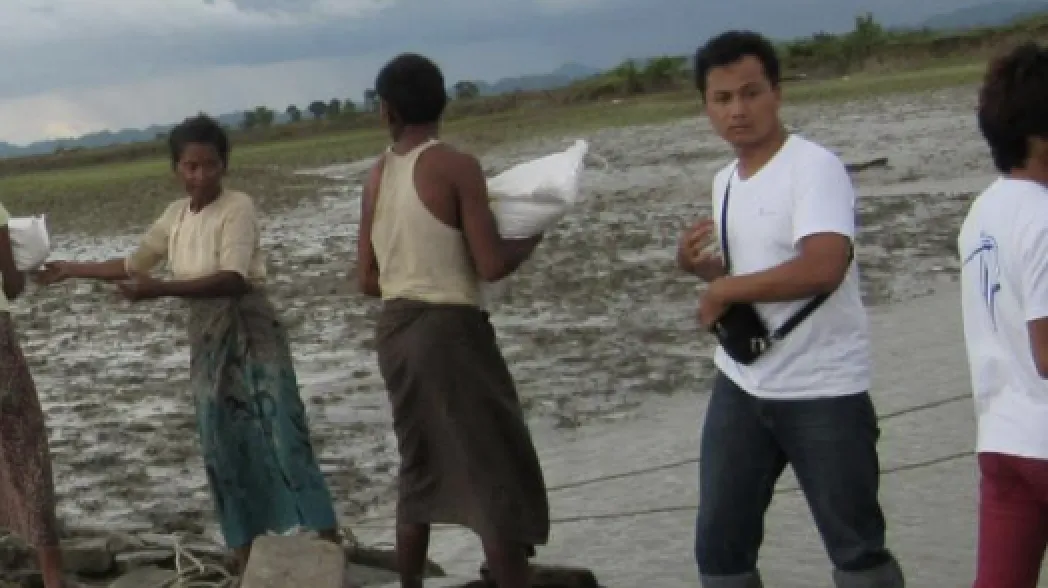
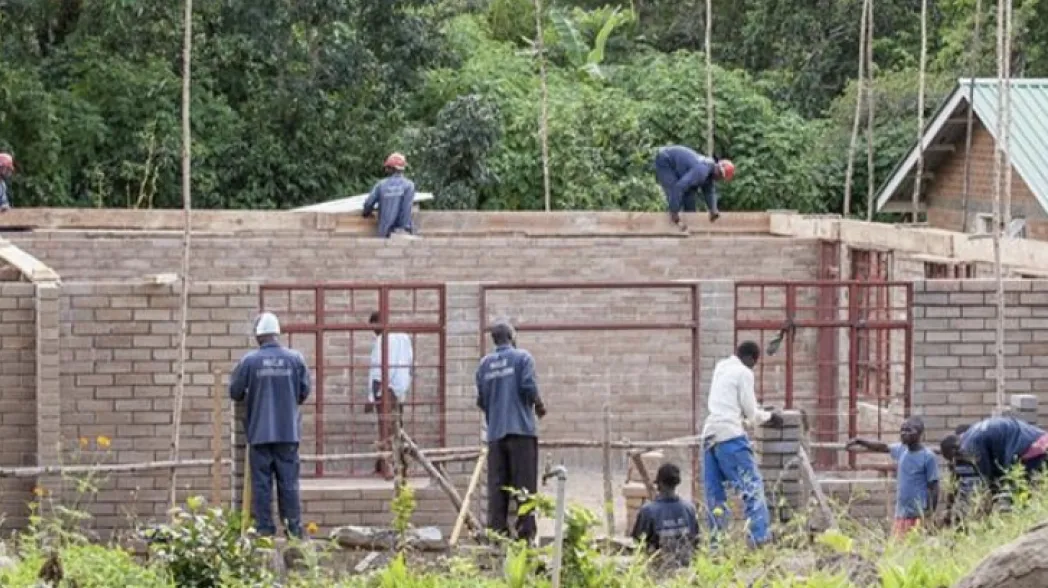


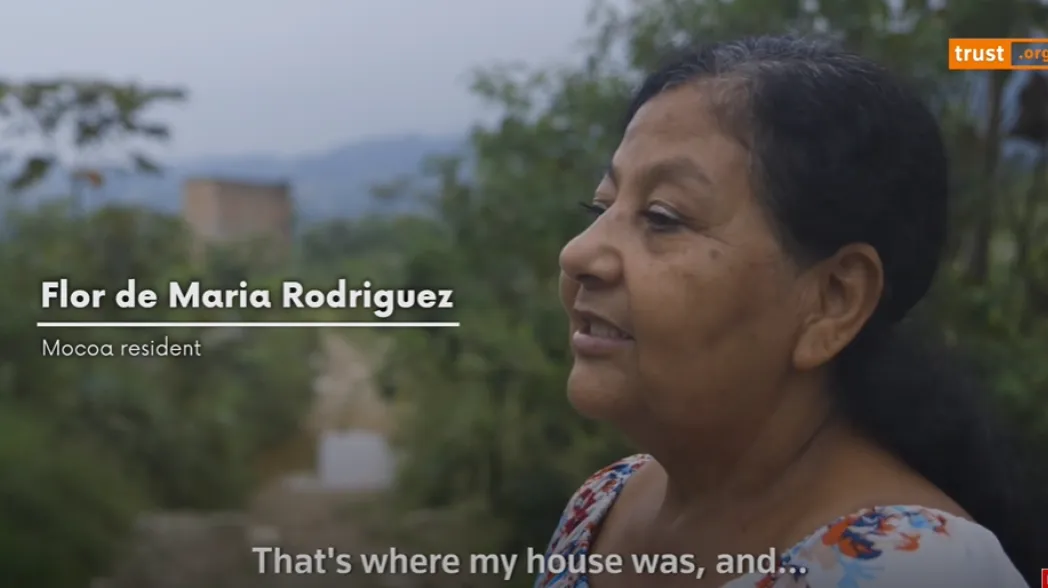
Watch the Disaster - Fragility, Conflict and Violence Nexus videos playlist on YouTube
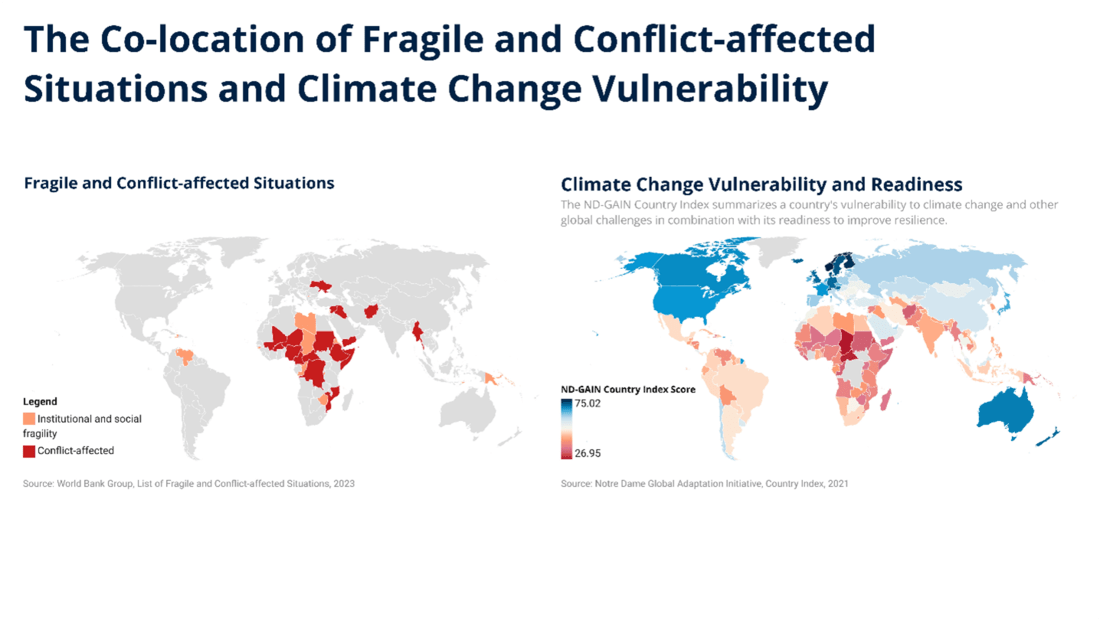
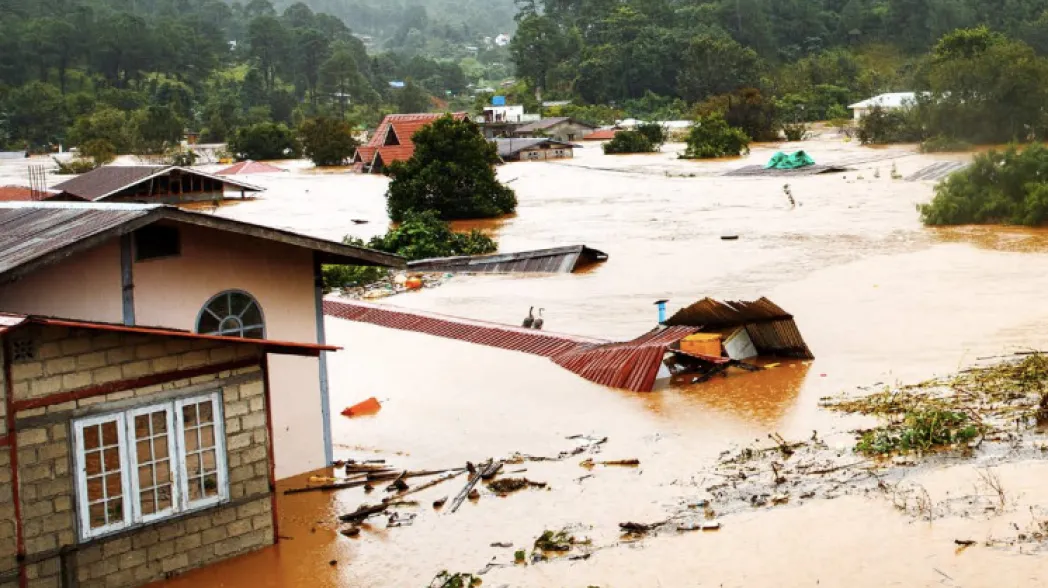
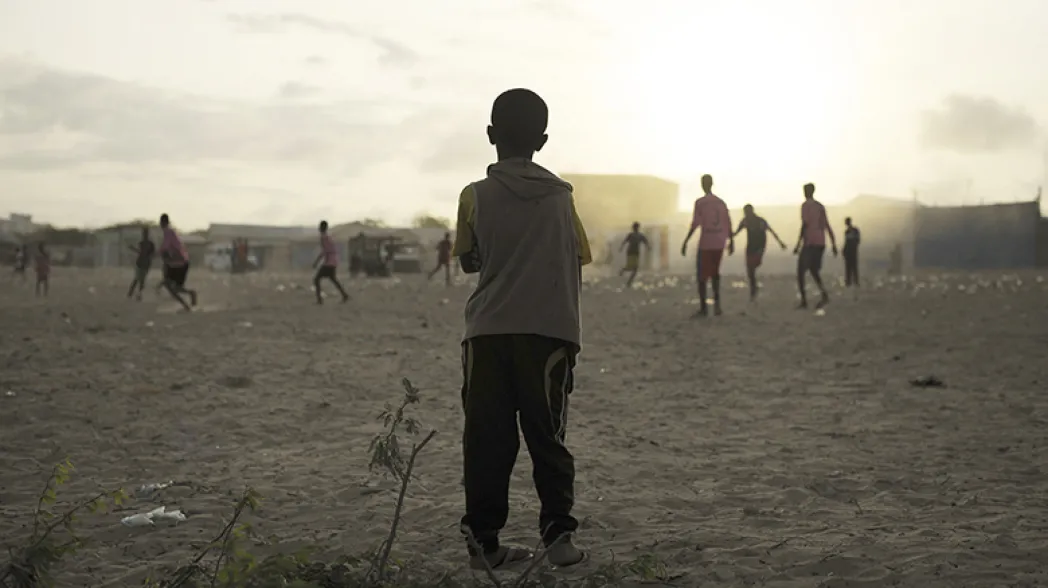
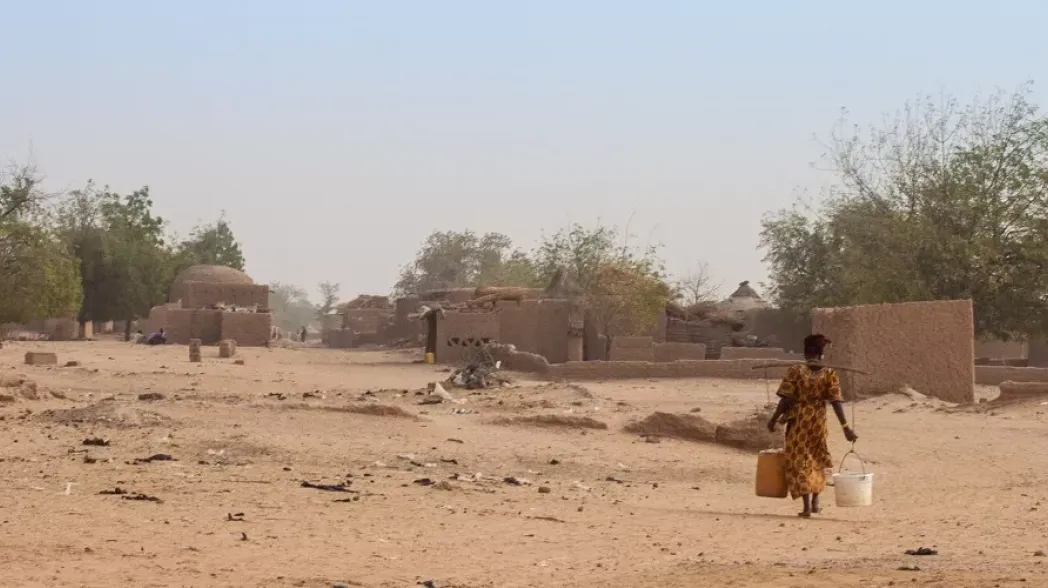
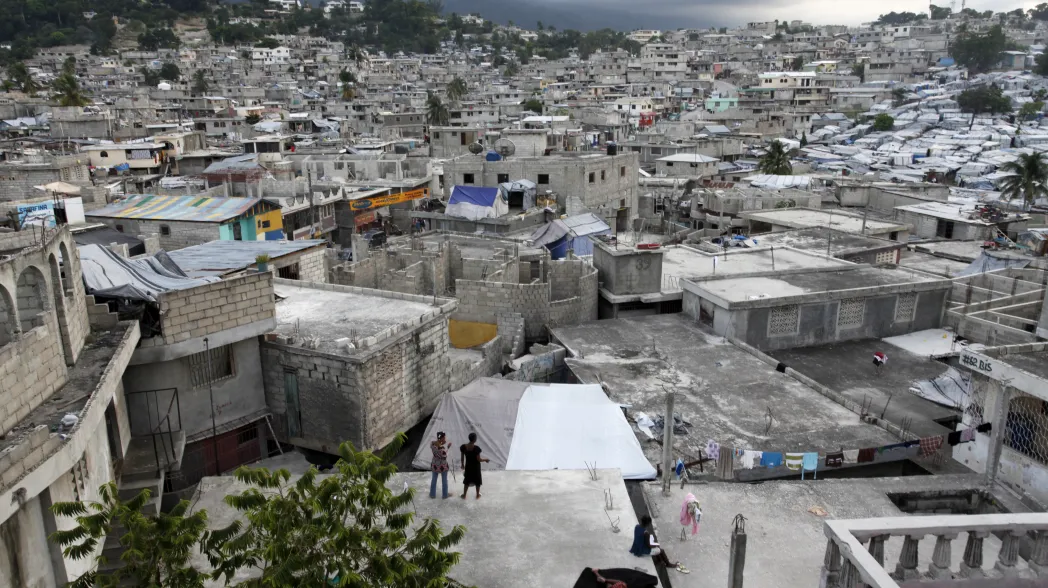
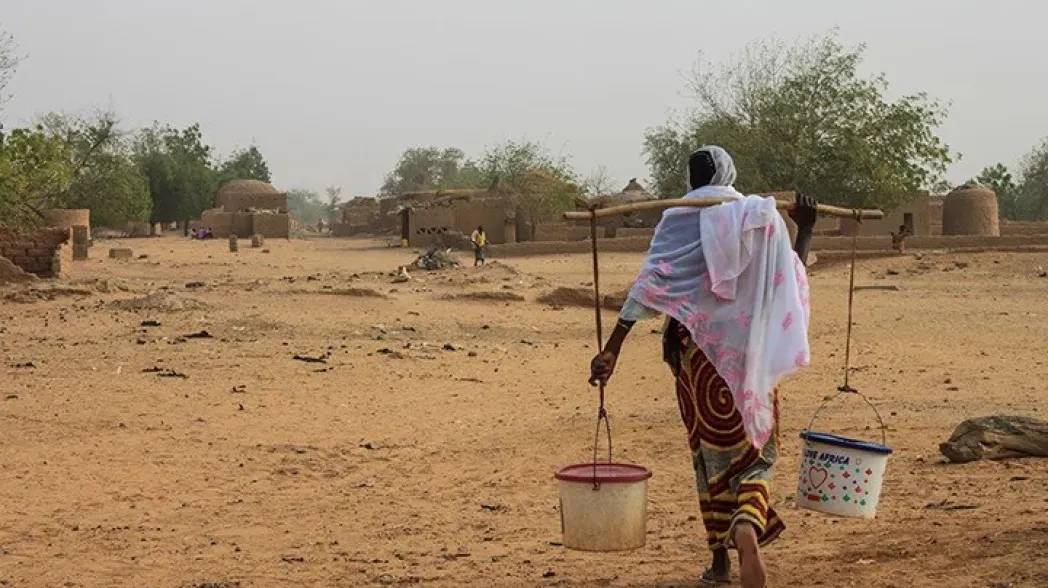
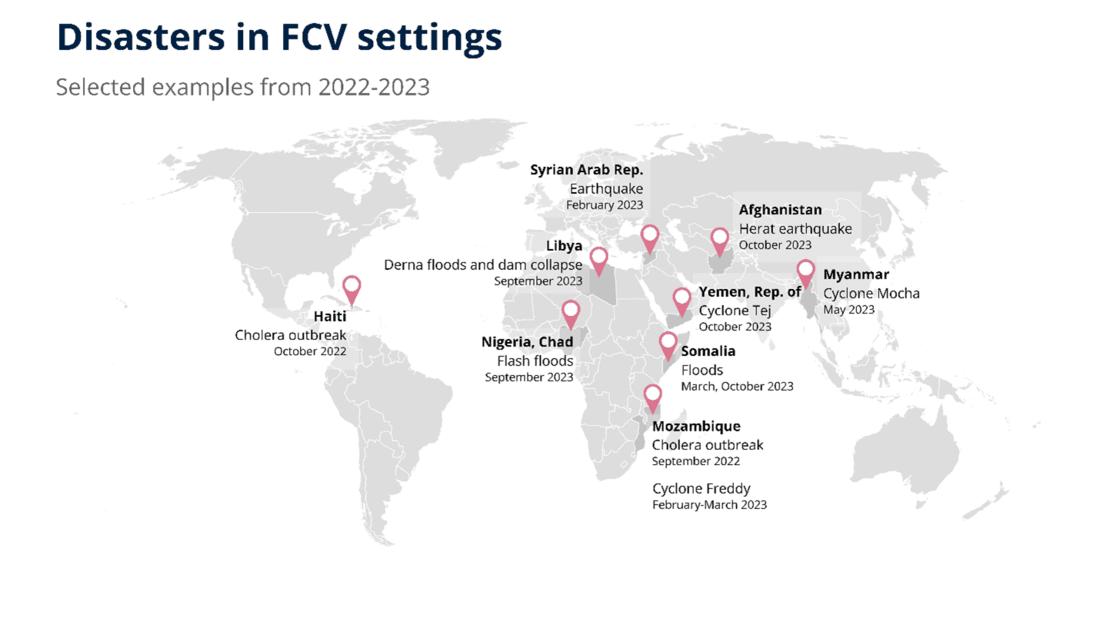
Countries facing fragility, conflict, and violence are systematically more exposed and less able to manage disaster shocks. Even though fragile and conflict-affected situations (FCS) represent a minority of the world’s economies, they bear a disproportionate share of climate and disaster risk. In 2024 alone, 59 disaster events occurred in countries on the World Bank’s FCS list—accounting for approximately 14 percent of all disasters recorded globally (EM-DAT, 2024).
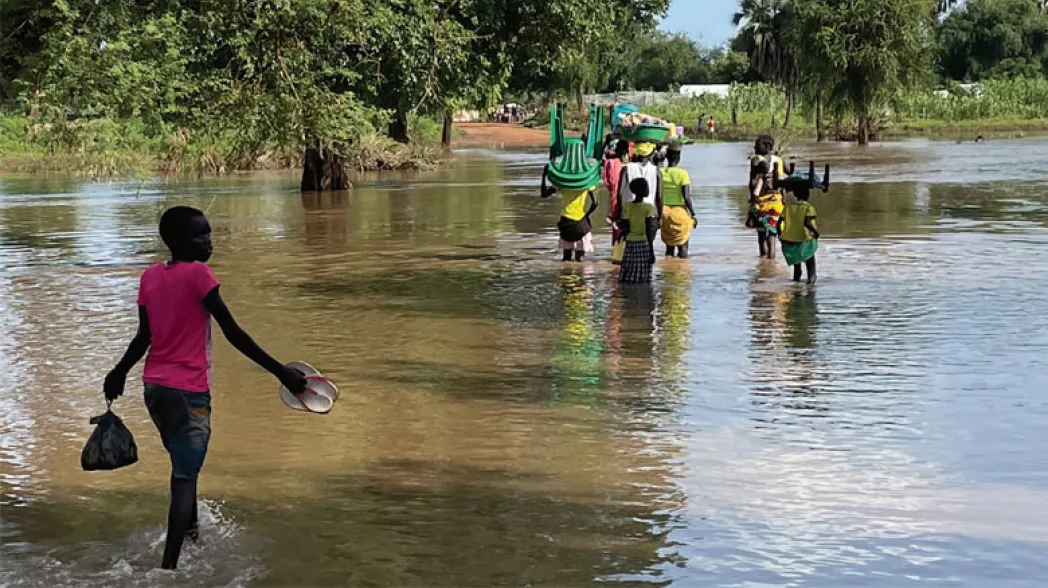
Climate variability and change further compound these risks, amplifying hazard exposure and vulnerability in contexts where institutional capacity and social cohesion are already strained. In 2025, 22 of the top 30 countries most vulnerable to climate change are categorized by the World Bank as fragile and conflict-affected, underscoring the strong convergence between climate vulnerability and fragility. In these environments, repeated shocks erode development gains, strain public finances, and constrain the effective use of development resources for disaster risk management and recovery.
Addressing these compounded challenges requires a deliberate shift toward integrated, FCV-sensitive disaster resilience investments—anchored in stronger analytics, conflict-aware planning, and targeted financing—to protect development progress and build sustainable resilience in the world’s most vulnerable contexts.
In pursuit of its mission to assist low- and middle-income countries in understanding and mitigating vulnerability to natural hazards and climate change, GFDRR initiated the Disaster-FCV Thematic Area in 2018. This Thematic Area seeks to support governments and their partners to address the rising challenge posed by the interconnected nature of disaster-FCV risks. Between FY20 and FY25, GFDRR provided 166 grants in fragile and conflict-affected situations (FCS) totaling US$71.9 million.
The Thematic Area aims to support the World Bank at the operational level, by supporting task teams and country offices, and at the strategic level through analytics and insight on the disaster-FCV nexus, including through knowledge management. Adopting a tiered approach responding to concrete operational demands, the Thematic Area:





Key Contact