
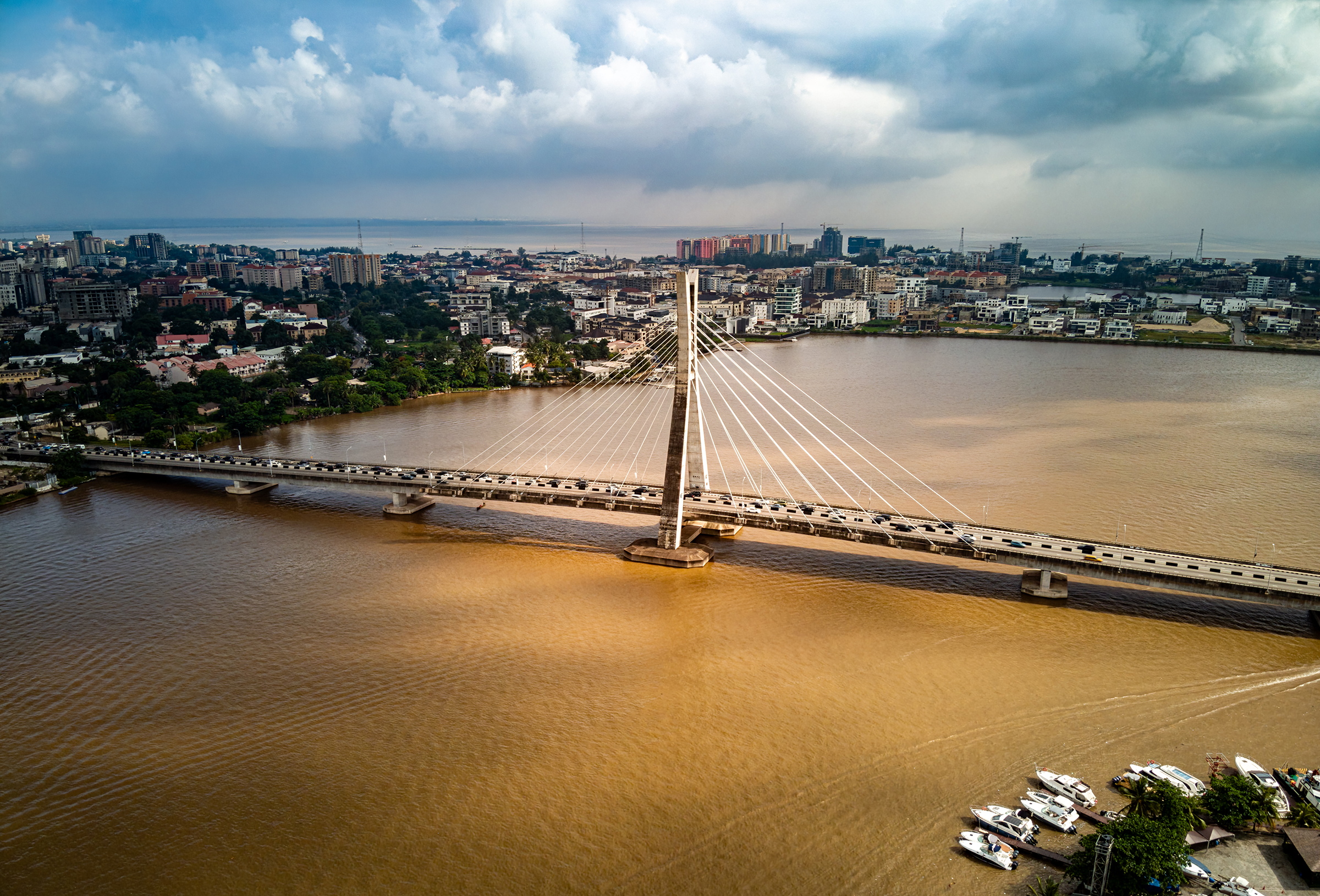
Resilient Infrastructure
Resilient Infrastructure: Making infrastructure built to last, not just for today
Schools: facilitating informed, large-scale investments for the safety and resilience of new and existing school infrastructure at risk from natural hazards, contributing to high-quality learning environments
Housing: leveraging technology to identify risks and enable the identification of investment needs to increase the resilience of the existing housing stock
Energy: supporting integration of disaster risk management into energy infrastructure planning, design, and operational practices
Water: enhancing the resilience of water and sanitation services, irrigation systems, and dams and related infrastructure to natural disasters
Transport: strengthening resilience through better design and construction standards, asset management and maintenance practices
GFDRR supports national and local governments, infrastructure owners and operators to mitigate disaster risk throughout the lifecycle of infrastructure assets. This is done by improving operations management practices, mitigating exposure of planned infrastructure, prioritizing disaster risk management investments based on risk mapping, increasing access to disaster resilient design standards, strengthening asset maintenance, and developing policy and institutional frameworks for infrastructure emergency preparedness and business continuity.
What's New from Resilient Infrastructure




Watch the Resilient Infrastructure videos playlist on YouTube
Explore more of our work.

Mangrove forests can reduce the vulnerability of adjacent coastal lands from storm surges by slowing the flow of water.
The power sector remains especially vulnerable to natural disasters and extreme weather events exacerbated by climate change.
Resilient Transport in Small Island Developing States