Inclusive Disaster Risk Management and Gender Equality
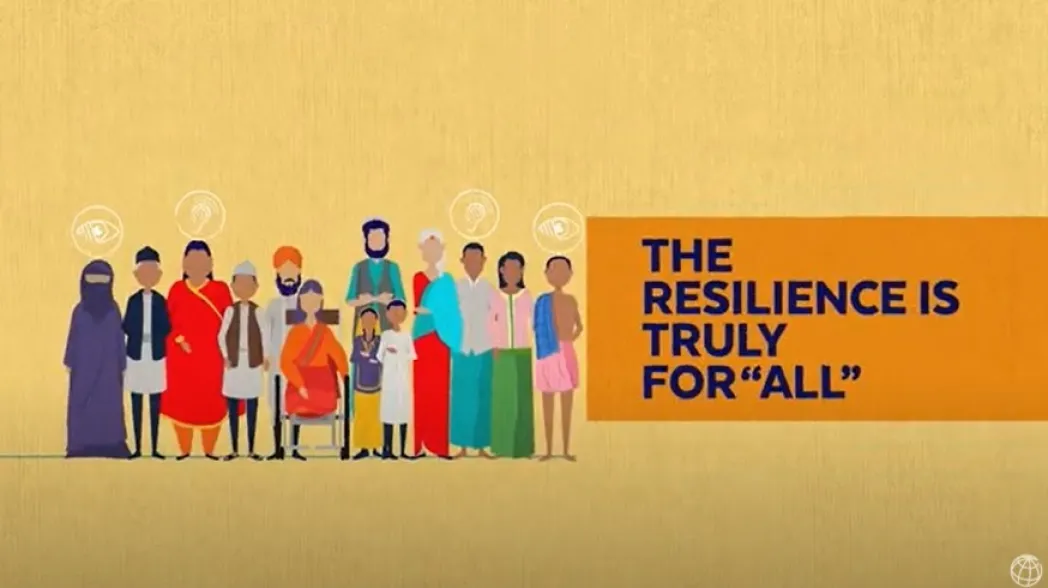
Inclusive Disaster Risk Management: Building resilience for all
Gender Equality: Advancing gender equality in DRM policies and programs by addressing gaps in approaches and resources within the DRM field
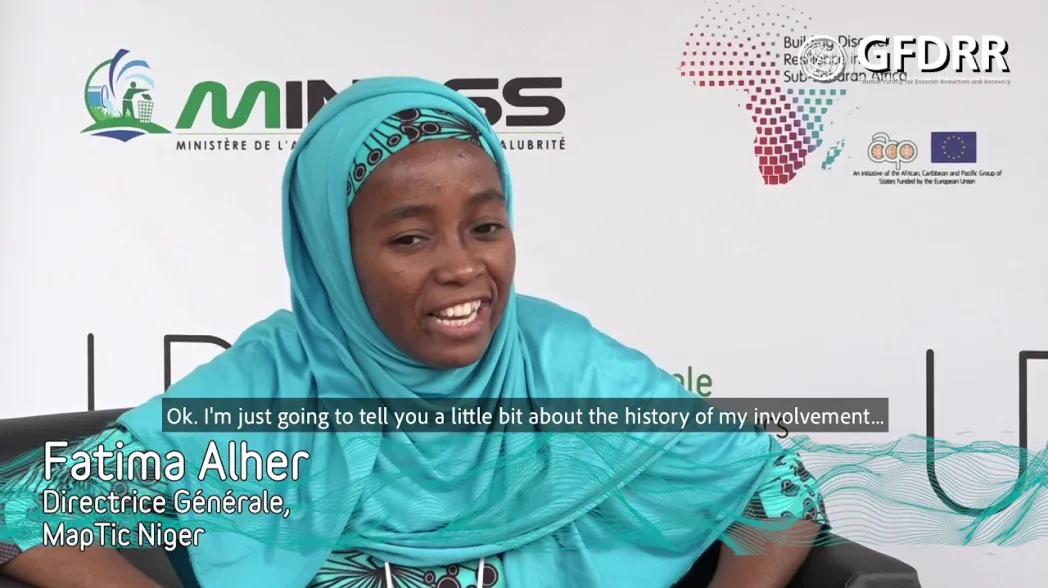
Community Participation and Citizen Engagement: Addressing participation barriers among the marginalized and advancing platforms for engagement that are formally inclusive and accessible
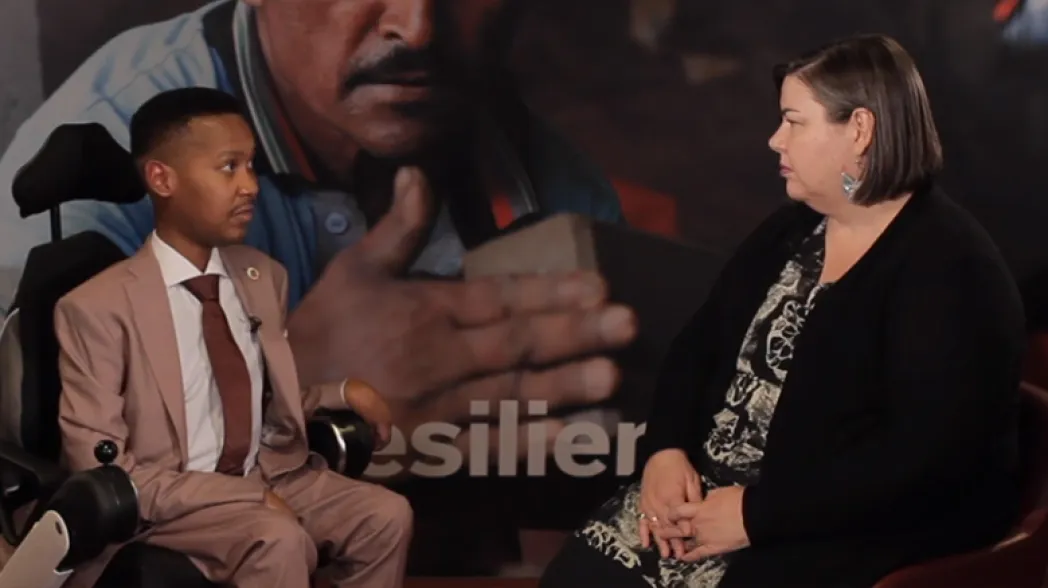
Disability Inclusion: Strengthening the capacity of communities and persons with disabilities to be active agents of positive change in DRM interventions
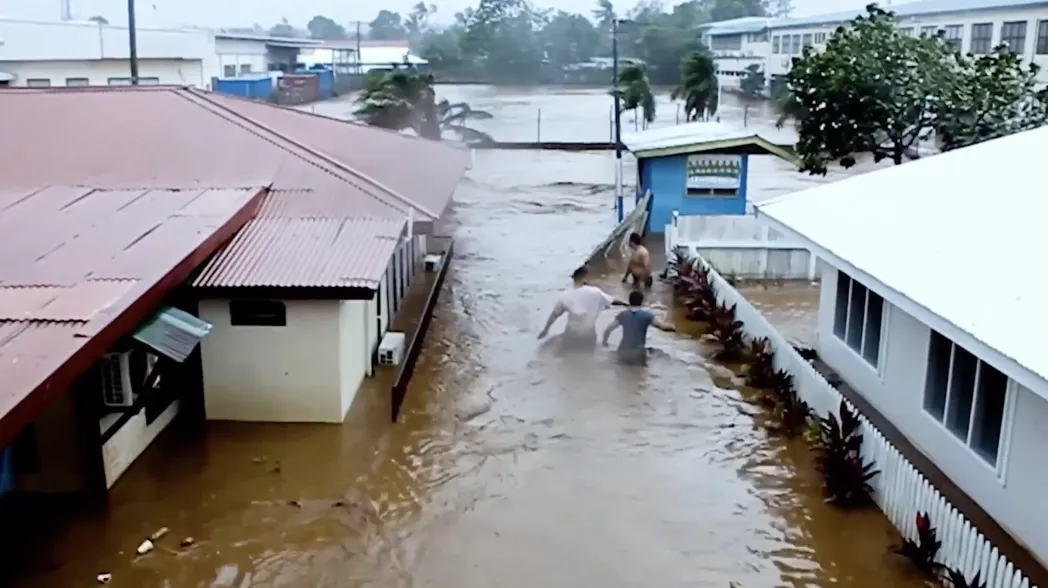
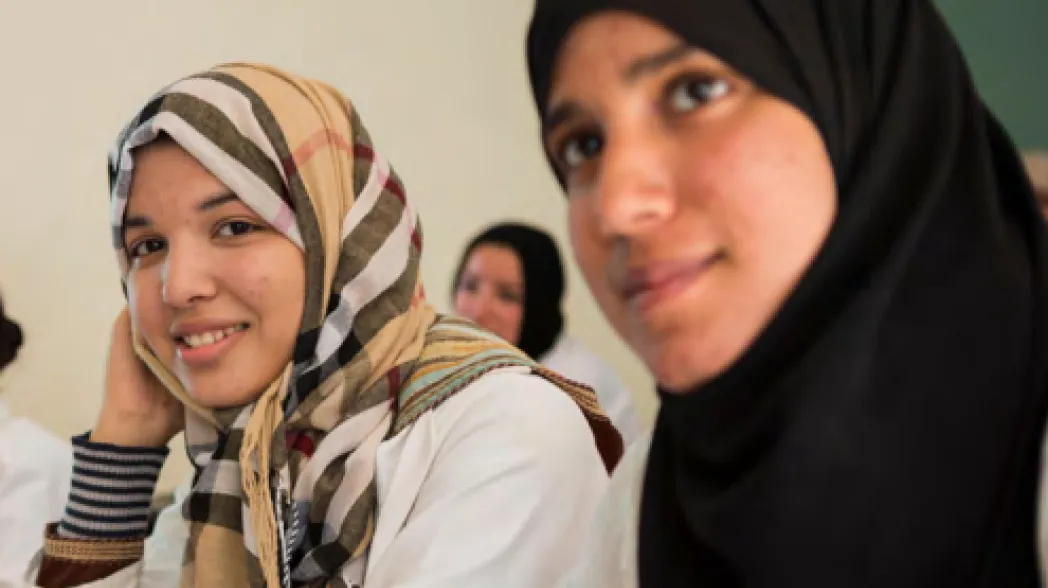
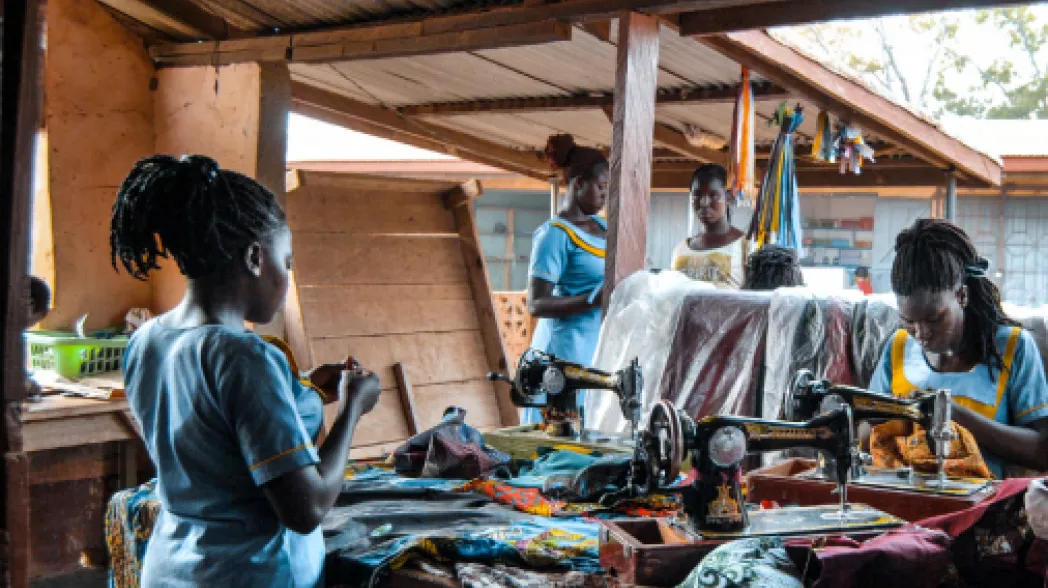
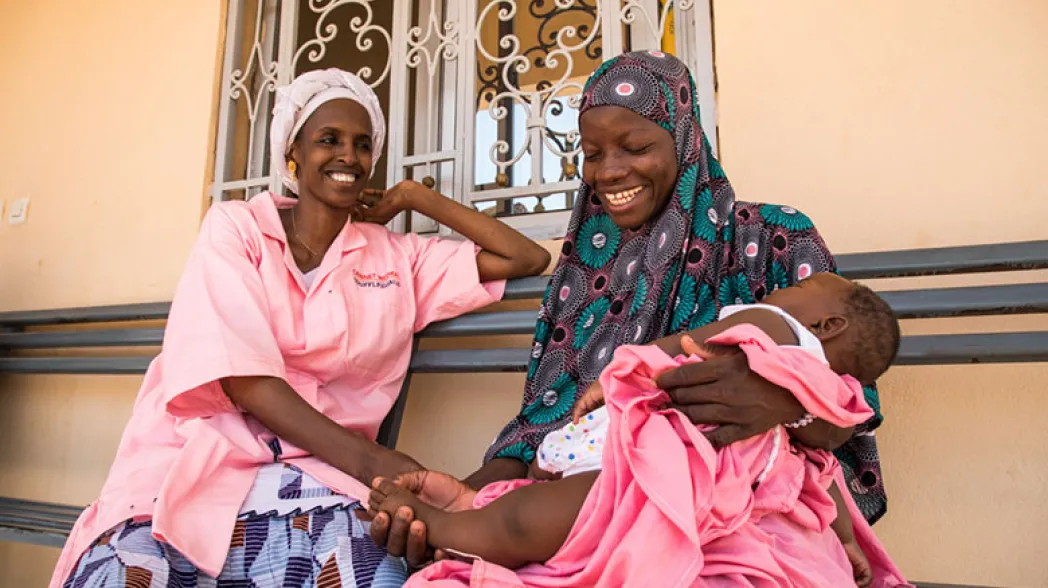
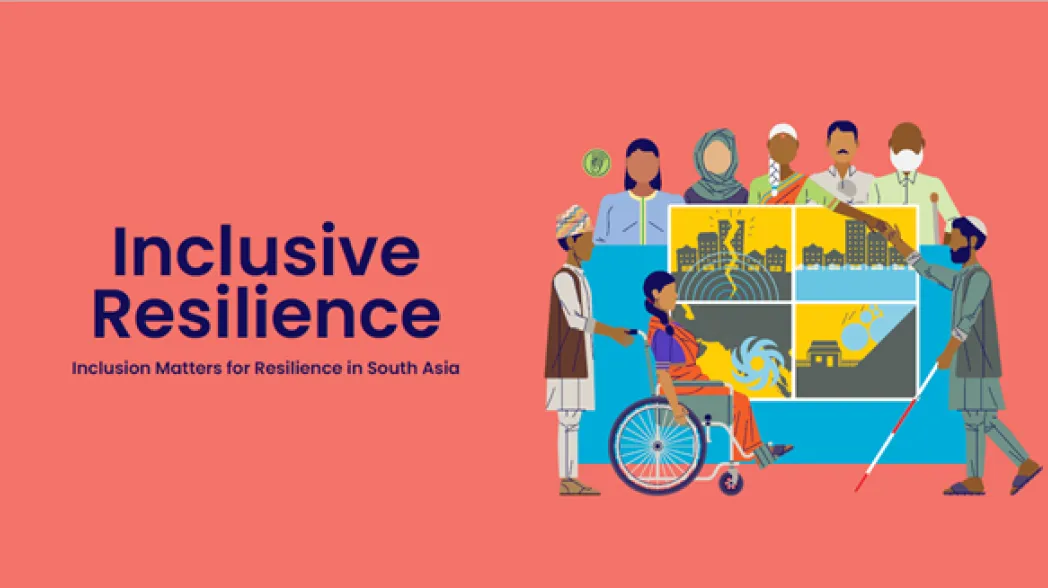
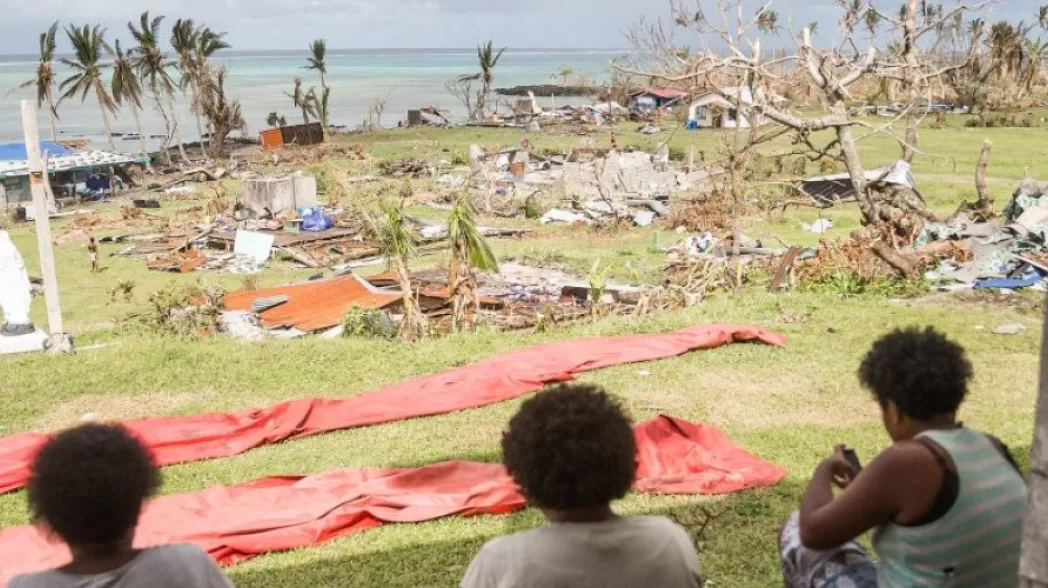
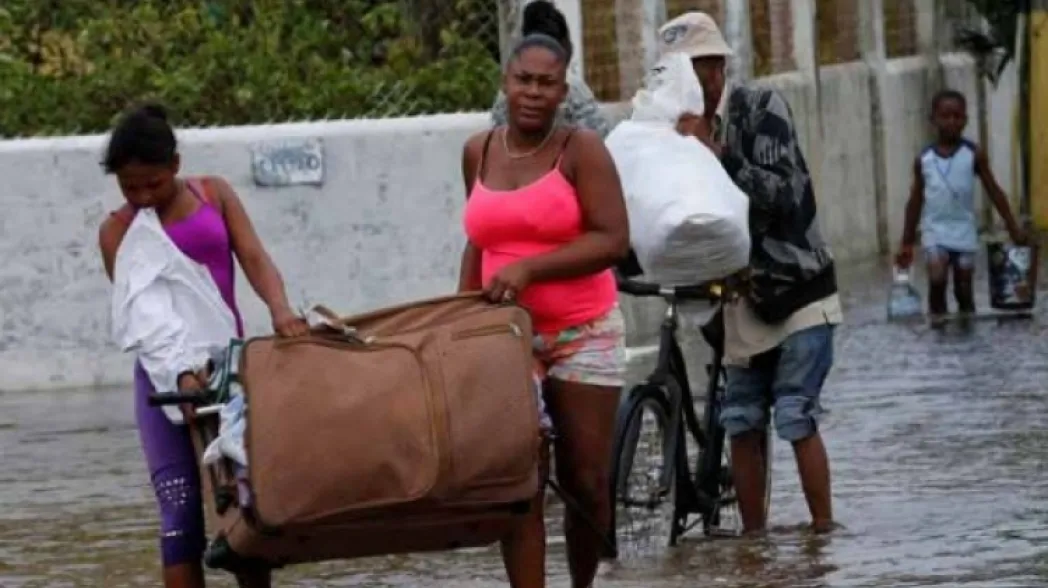
The impacts of disasters do not affect all people equally. Groups such as women, girls, persons with disabilities, ethnic and racial minorities, Indigenous Peoples, youth, and other marginalized communities are often disproportionately affected by shocks. Aligned with the Sendai Framework for Disaster Risk Reduction’s promotion of inclusive approaches to disaster risk management, GFDRR provides analytical support and raises awareness of why inclusion matters, develops technical expertise, and supports inclusion aspects throughout the DRM project cycle.
Highlights
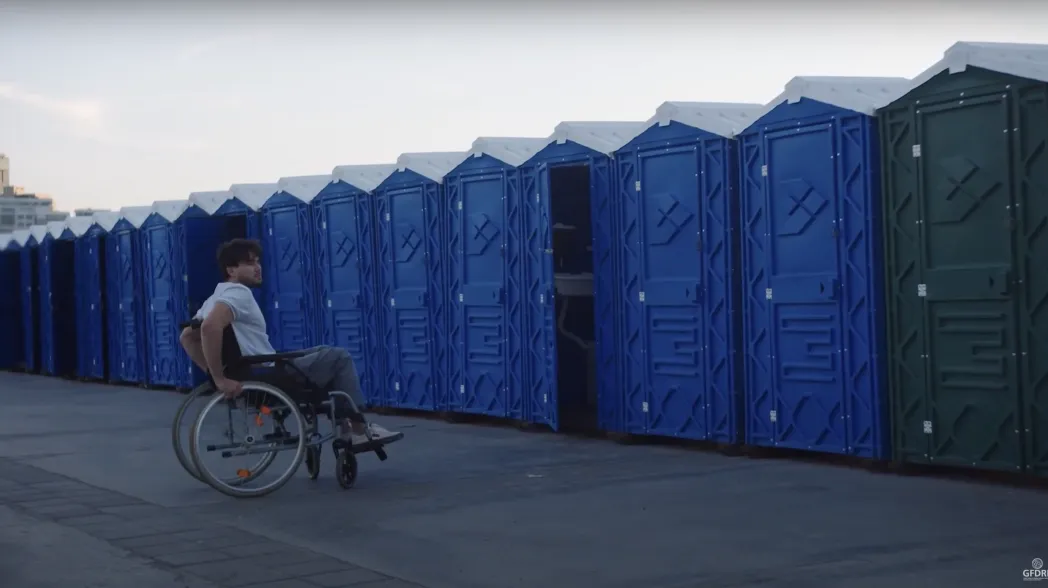
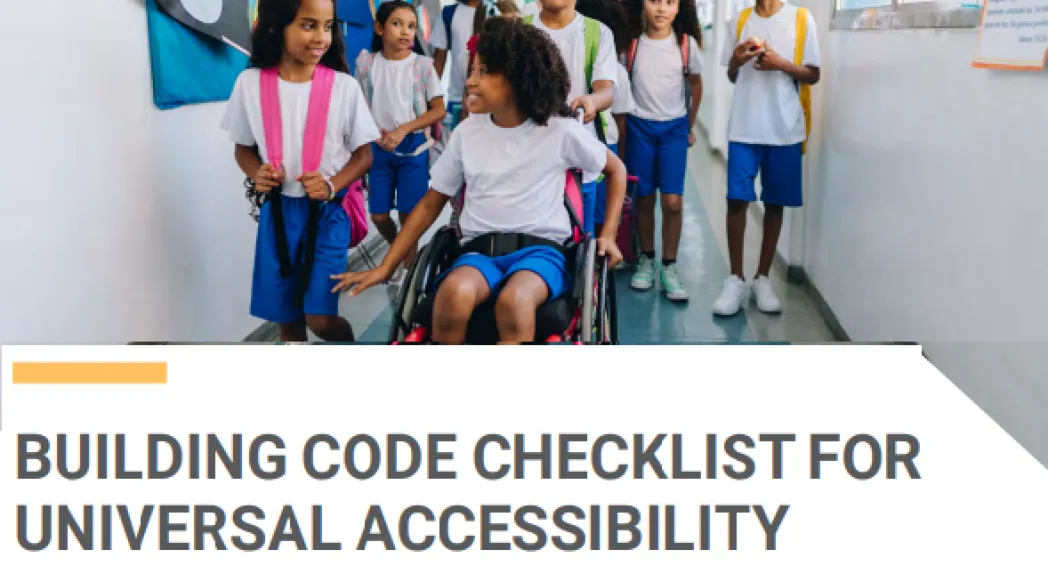

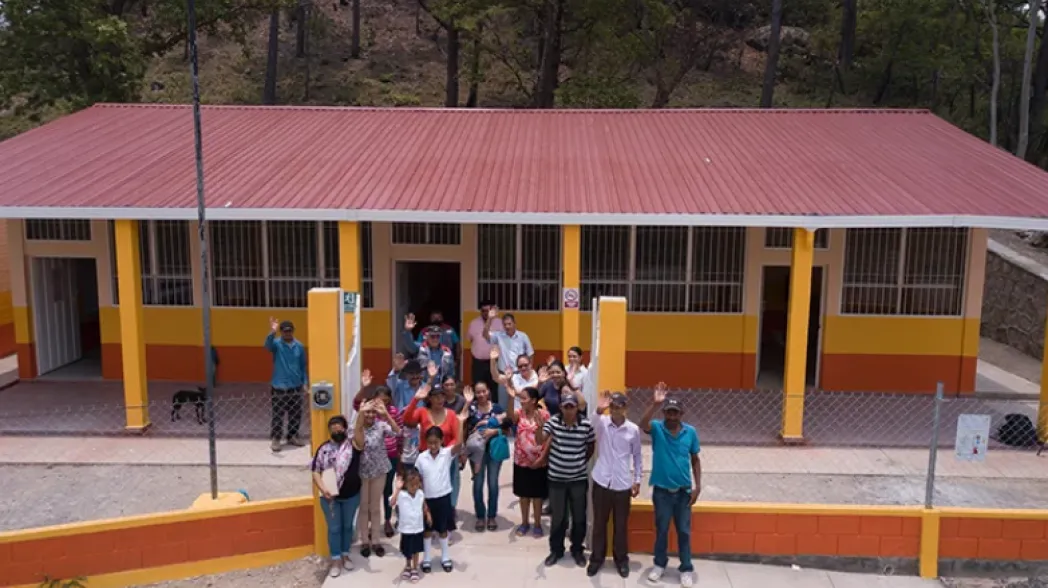
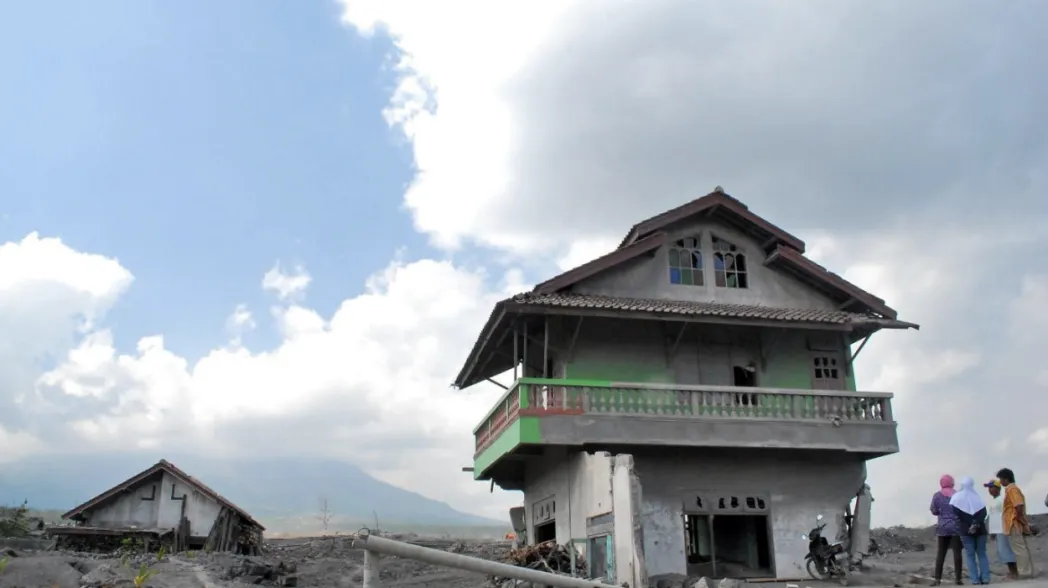
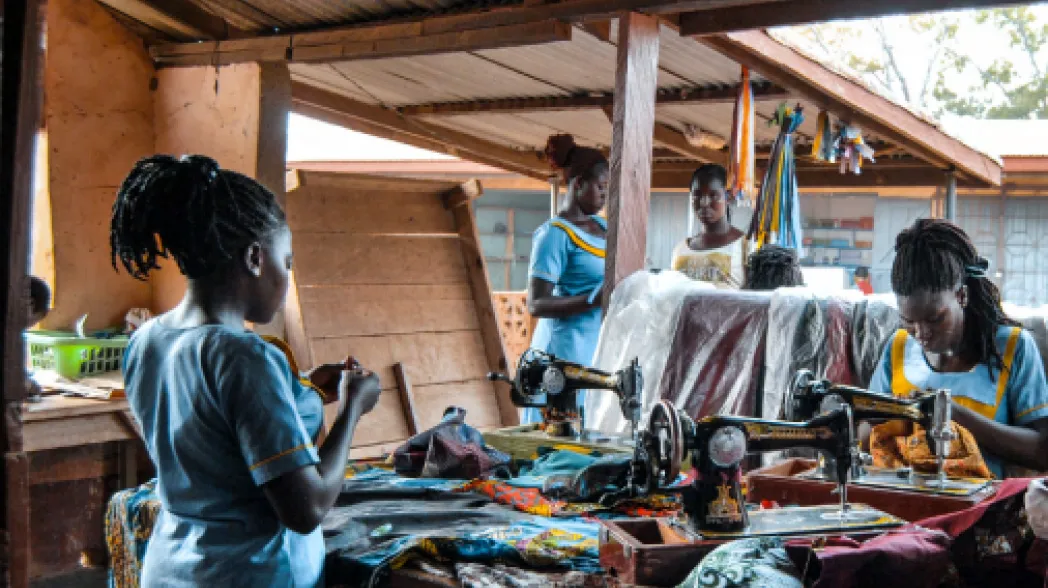
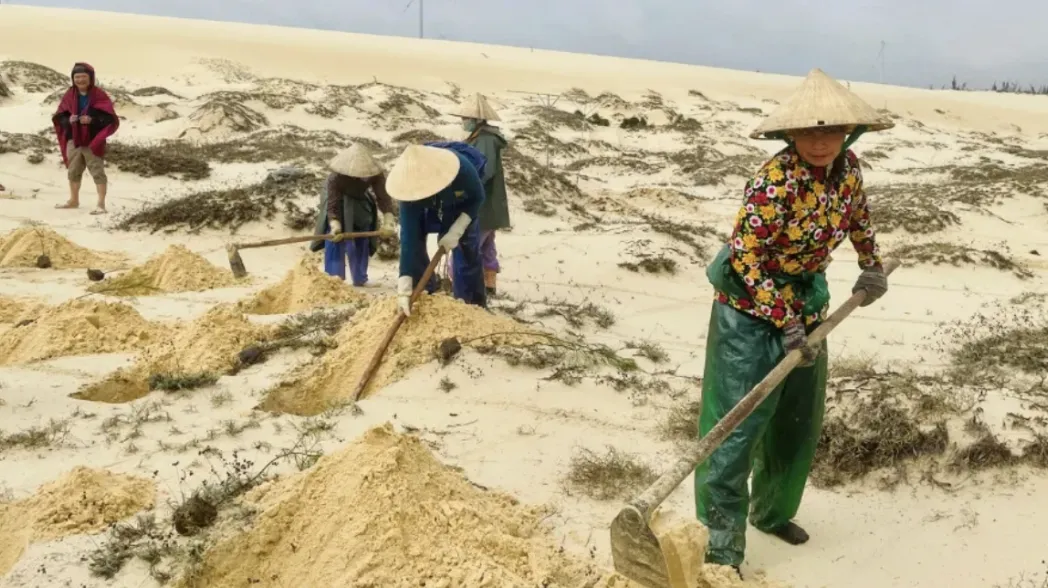
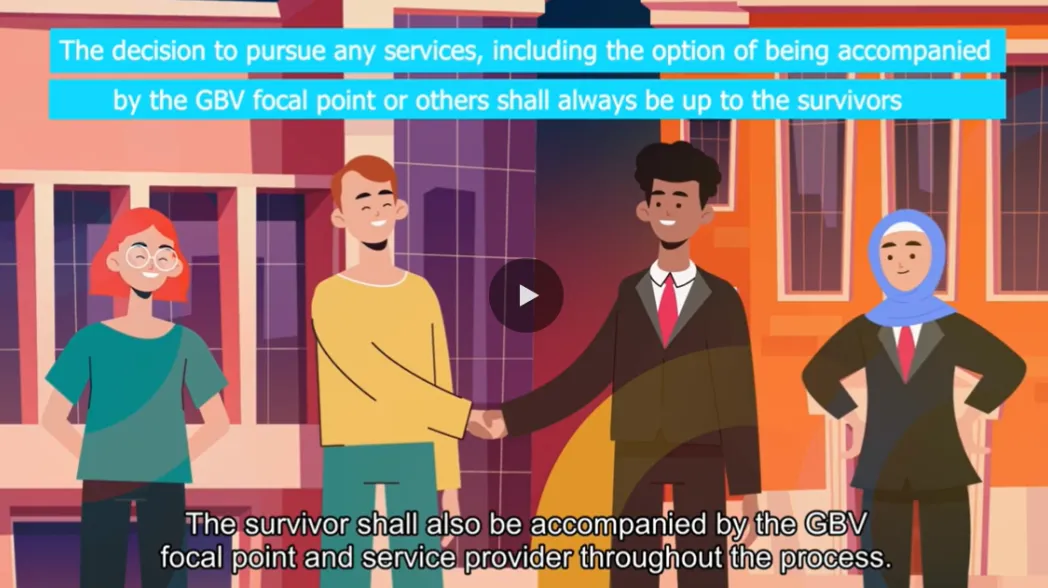
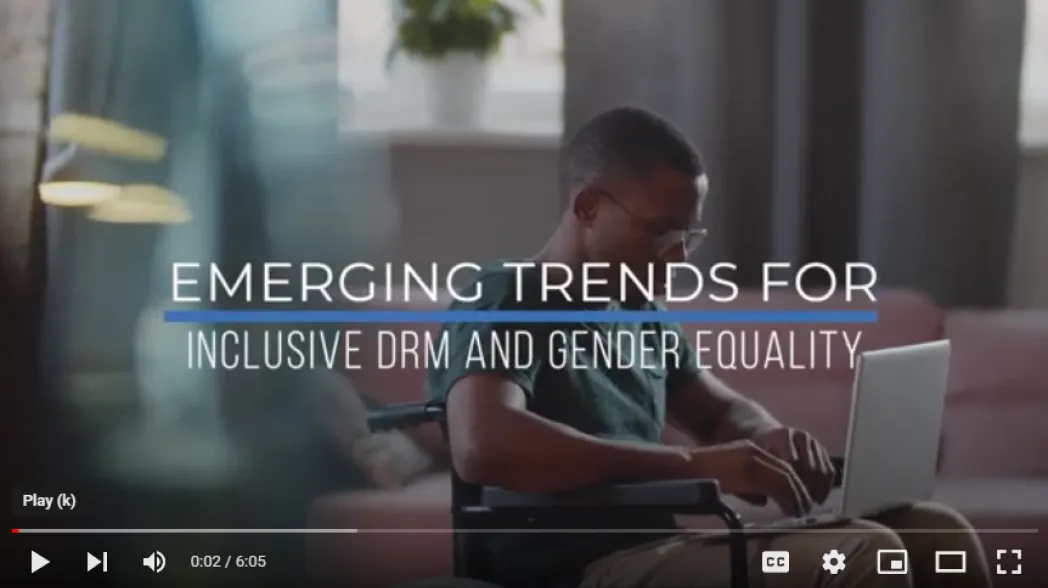


Watch the Inclusive Disaster Risk Management and Gender Equality videos playlist on YouTube
Pillars
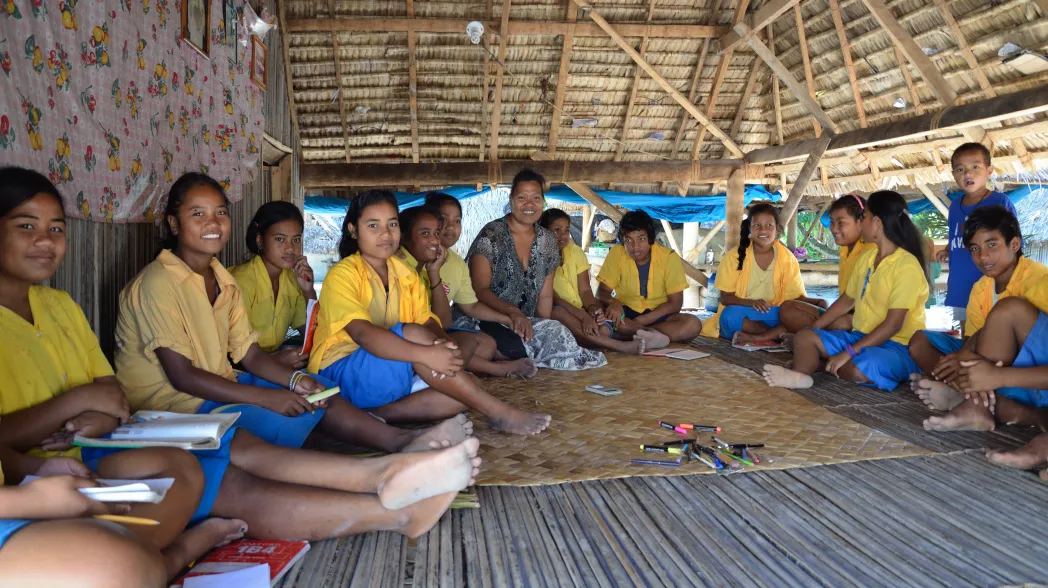
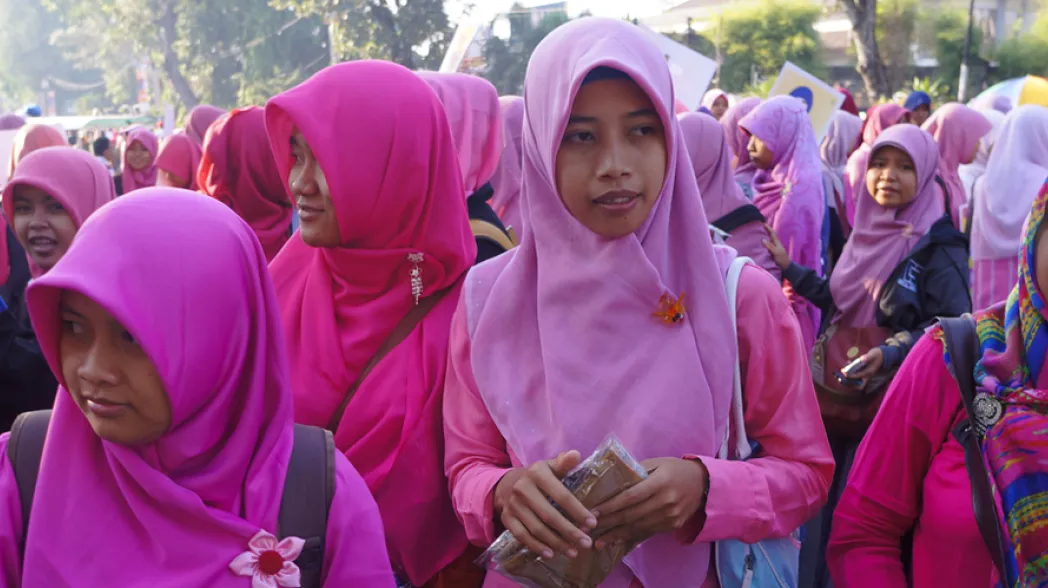
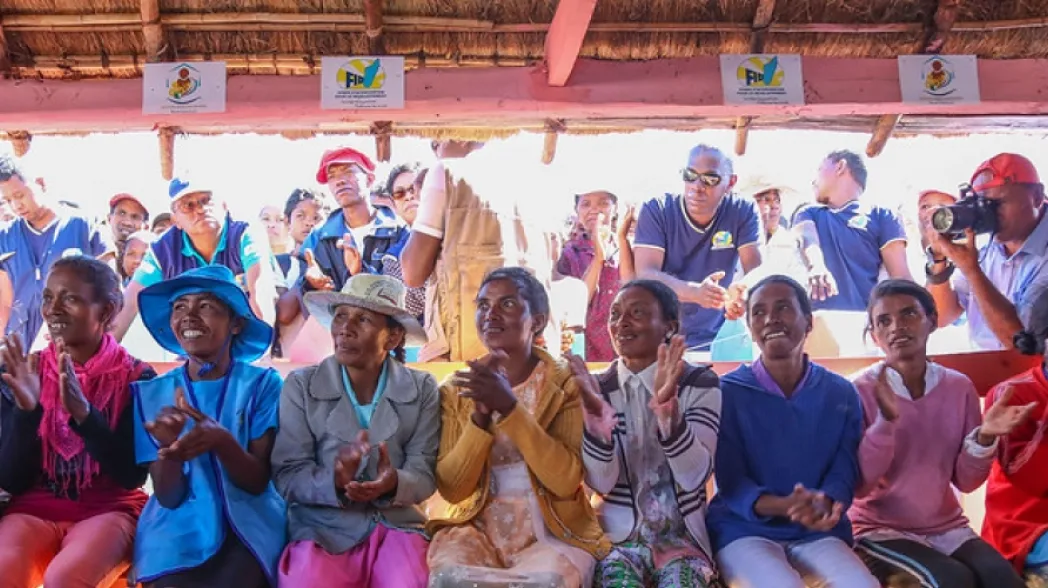
Community participation and citizen engagement are the foundation for inclusive DRM: without proper consultative processes and facilitation of community involvement, the most vulnerable will continue to be excluded throughout the DRM cycle. By bringing DRM into large-scale country investment operations, GFDRR helps to channel risk management resources directly to poor households and communities. Because DRM interconnects with a wide range of sectors and domains, there is great potential for public participation and diverse stakeholder involvement. However, there is a gap in how implementation of participatory strategies occurs, as well as the depth, scope, and frequency of citizen engagement.
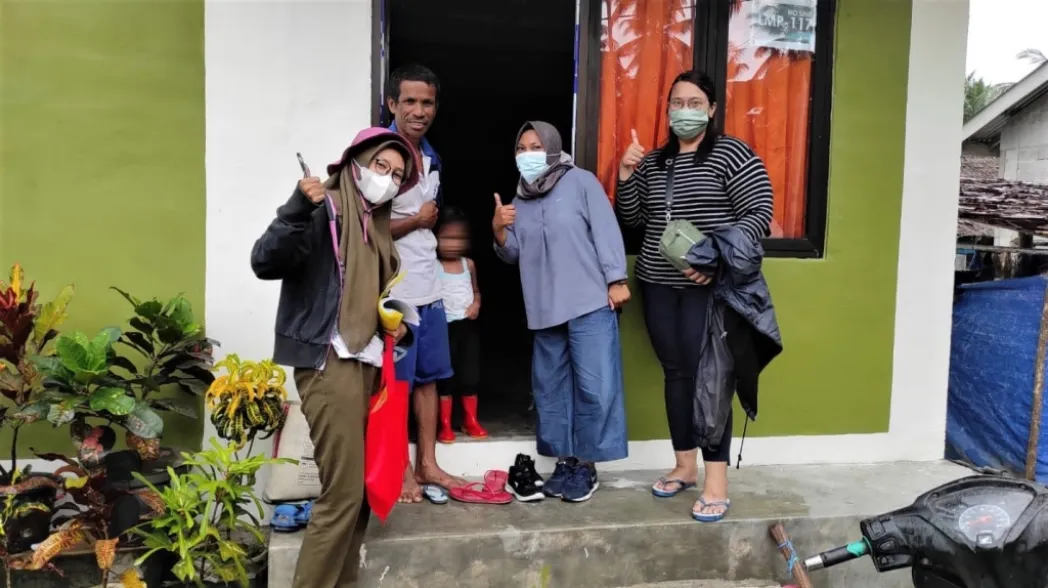
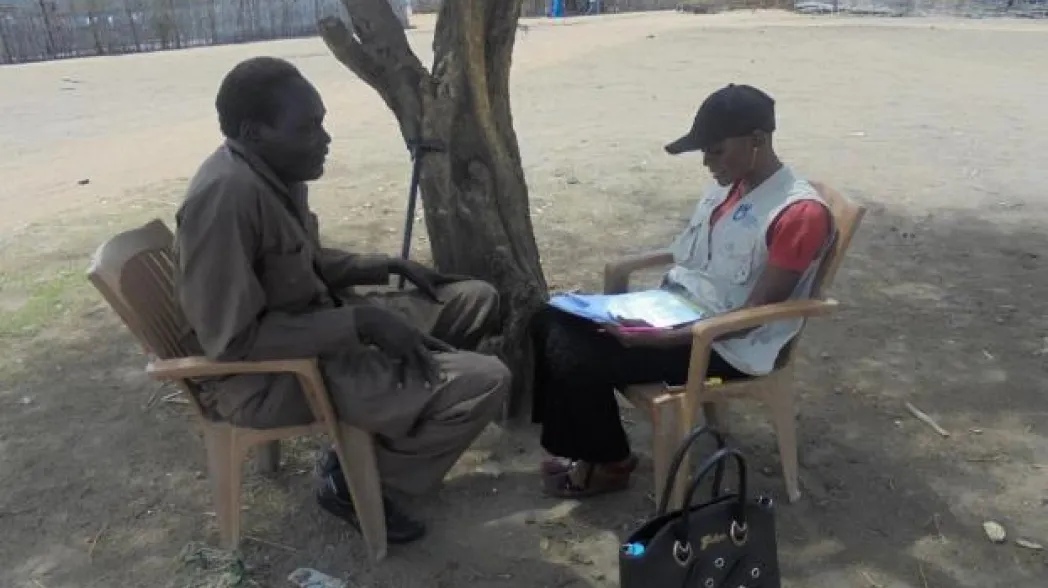
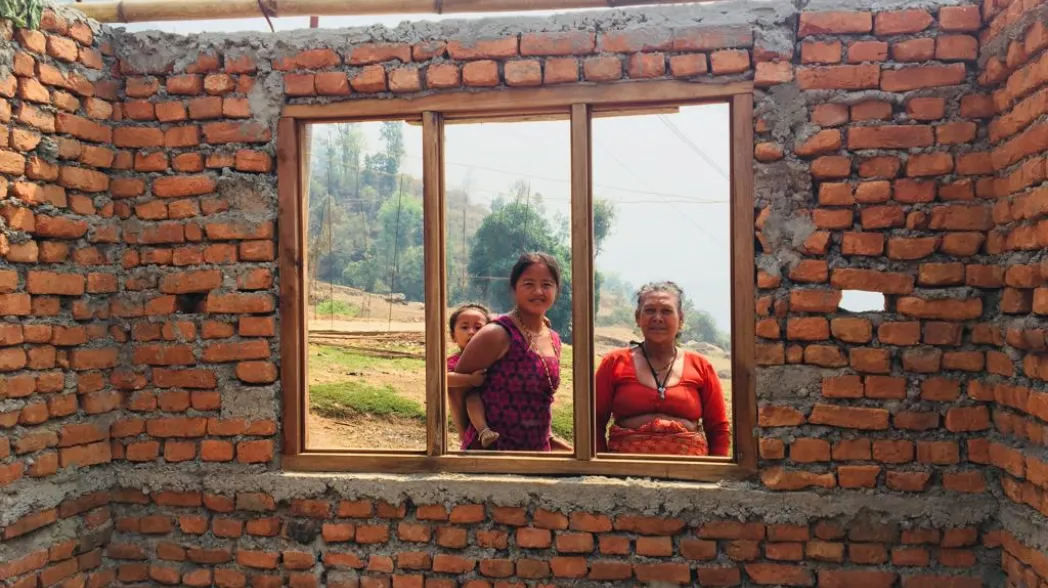
Rather than out-of-the-box approaches, localized approaches are critical to define how citizen engagement activities can foster participation and contribute to building trust on the ground as well as to inform the needs of the community, aligned with their cultural norms. Participatory elements are all too often limited to national consultations; however, through comprehensive engagement of communities at the local levels, DRM interventions can be more inclusive of marginalized groups, increasing their visibility in the process and building on their existing capacities and knowledge about localized disaster risks and potential mitigation measures. Local engagement increases resilience and helps to channel risk management resources directly to the community.
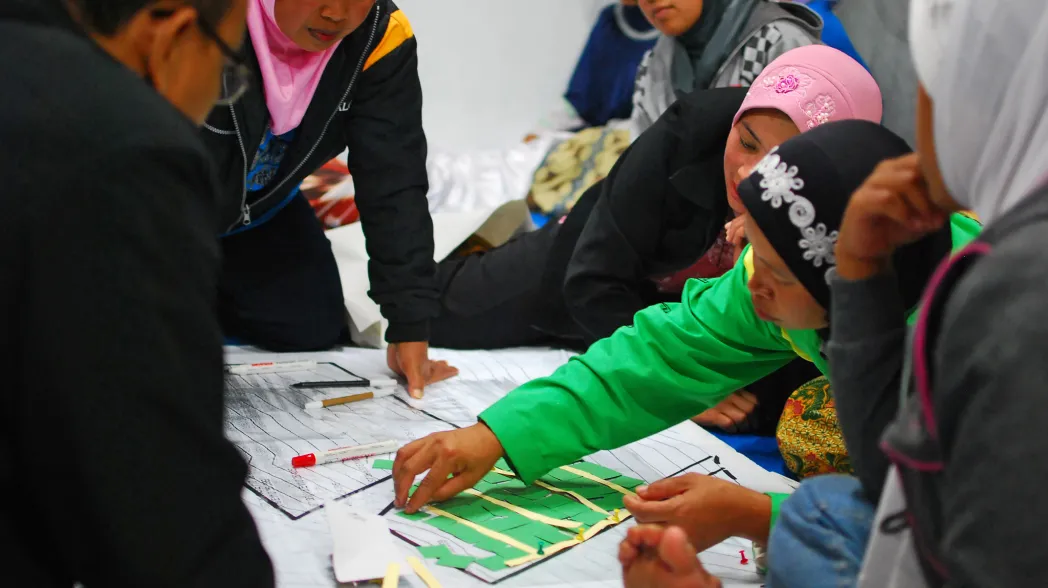
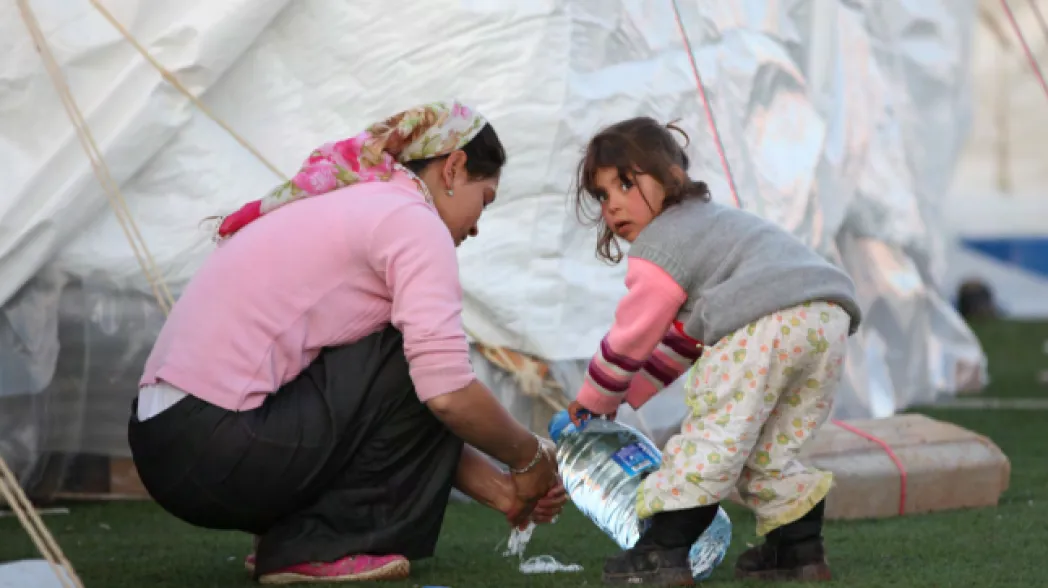
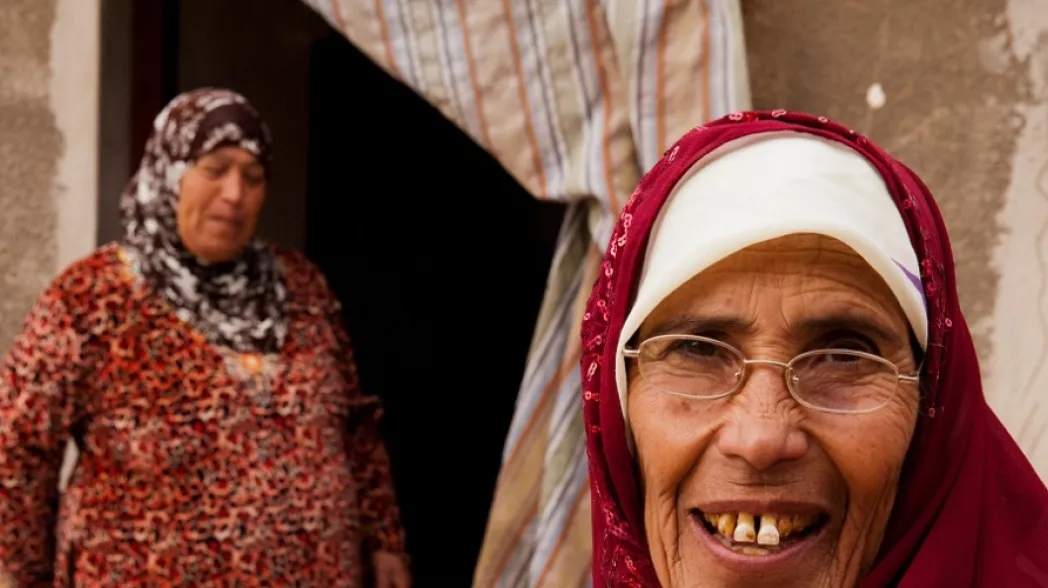
Men and women, boys and girls experience disasters differently – experiences that are highly dependent on the type of hazard, social norms affecting relations between women and men, as well as structural gender inequality.
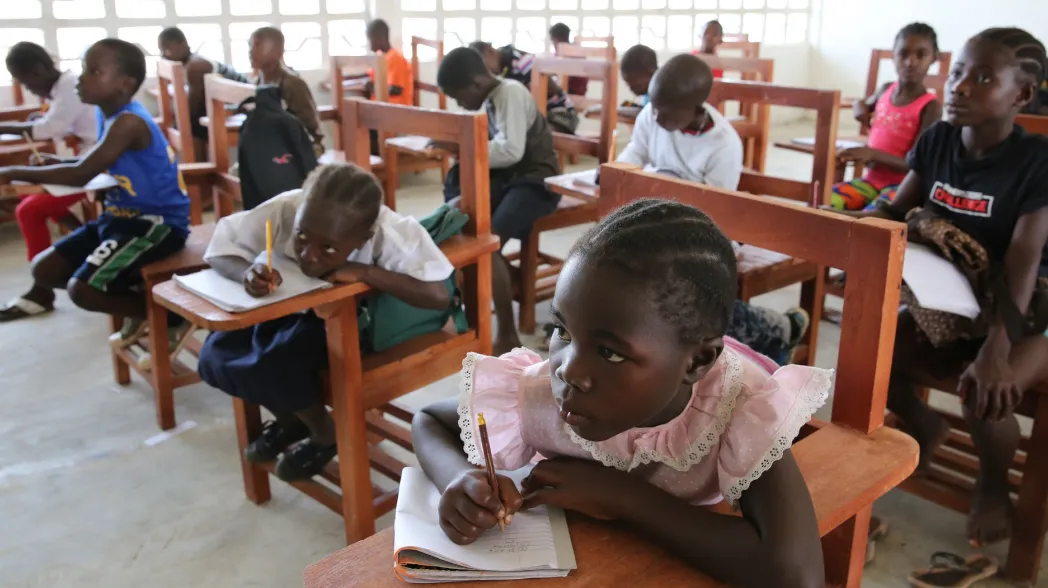
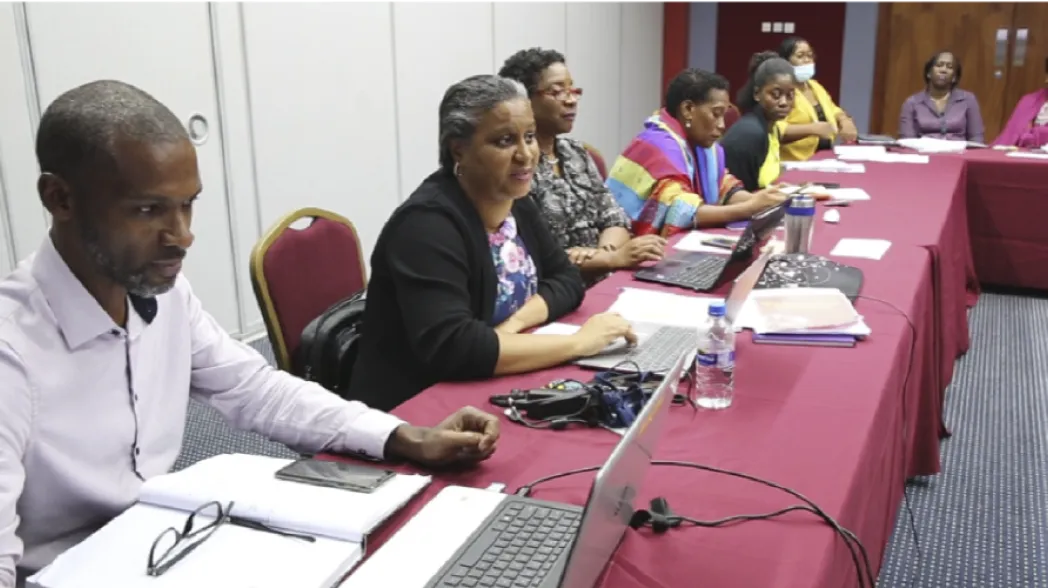
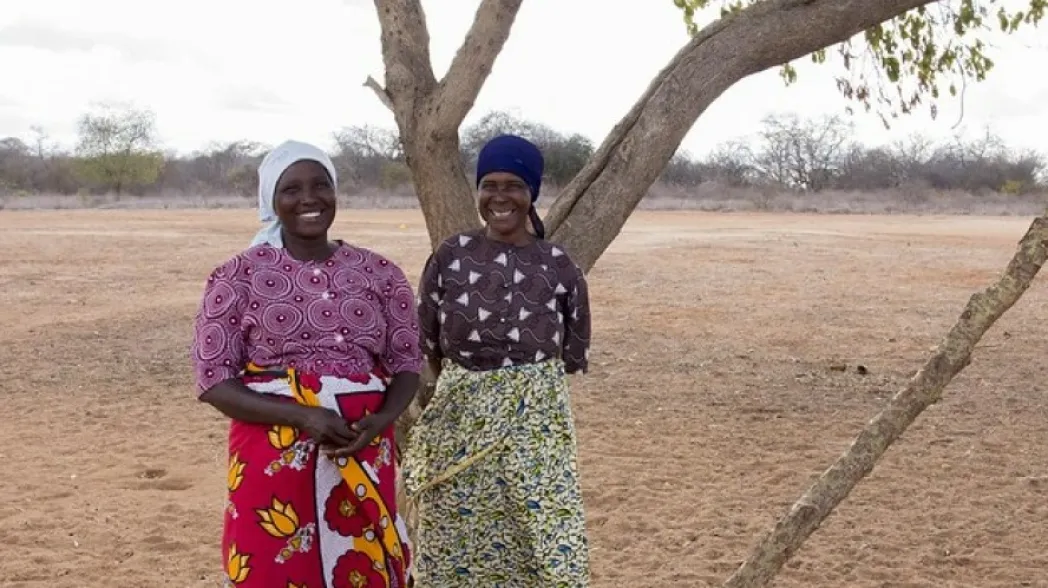
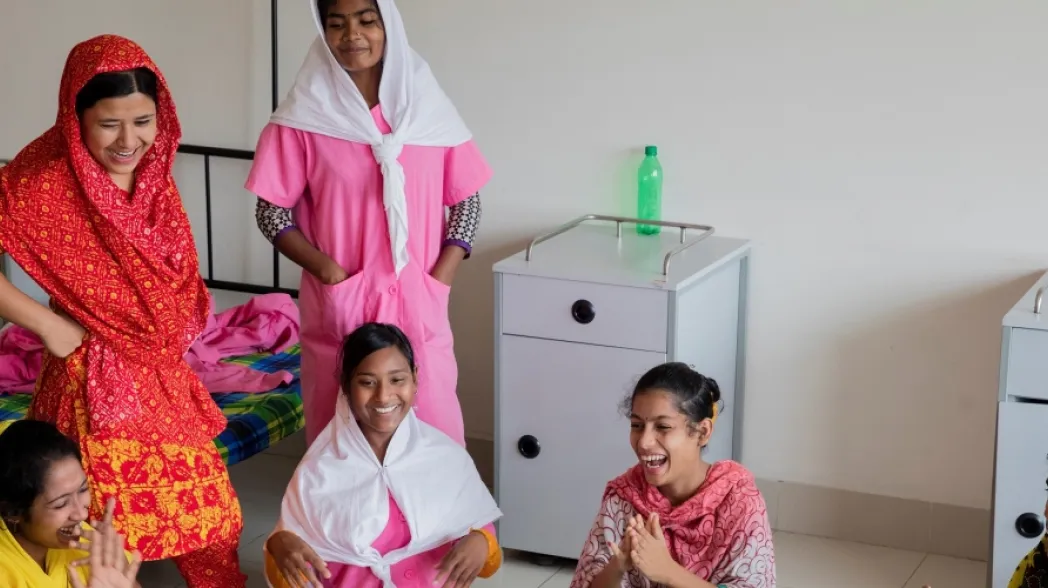
Women and girls are often systemically disadvantaged, and the conditions are further exacerbated in disaster situations. Inclusive DRM and Gender Equality advances gender-responsive approaches throughout the DRM cycle to ensure that gender gaps such as access to health care, education, and political engagement, are reduced, and at best, eliminated. This is achieved by prioritizing women’s empowerment to build broader community resilience and contribute to sustainable development.
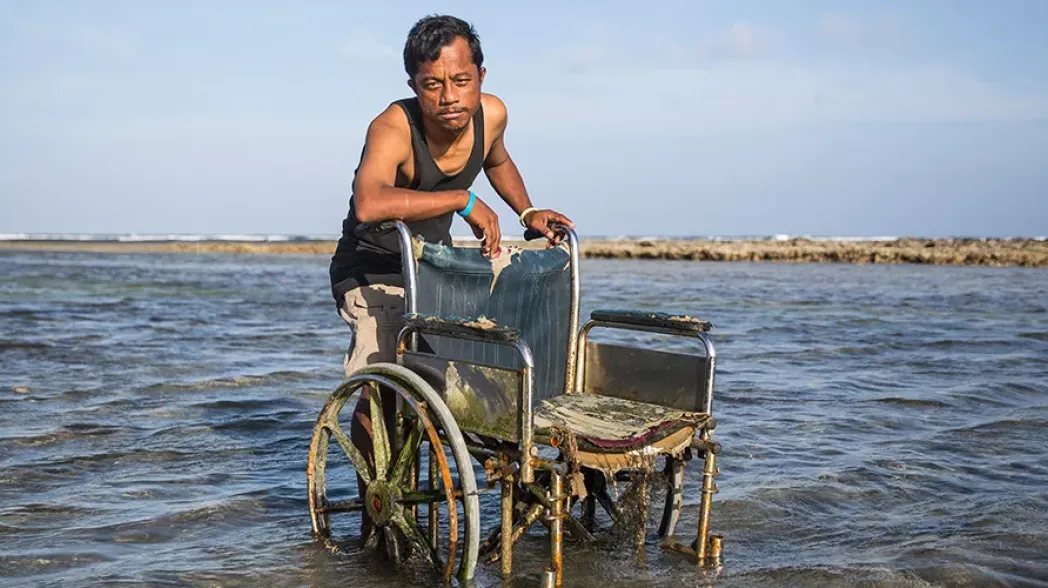
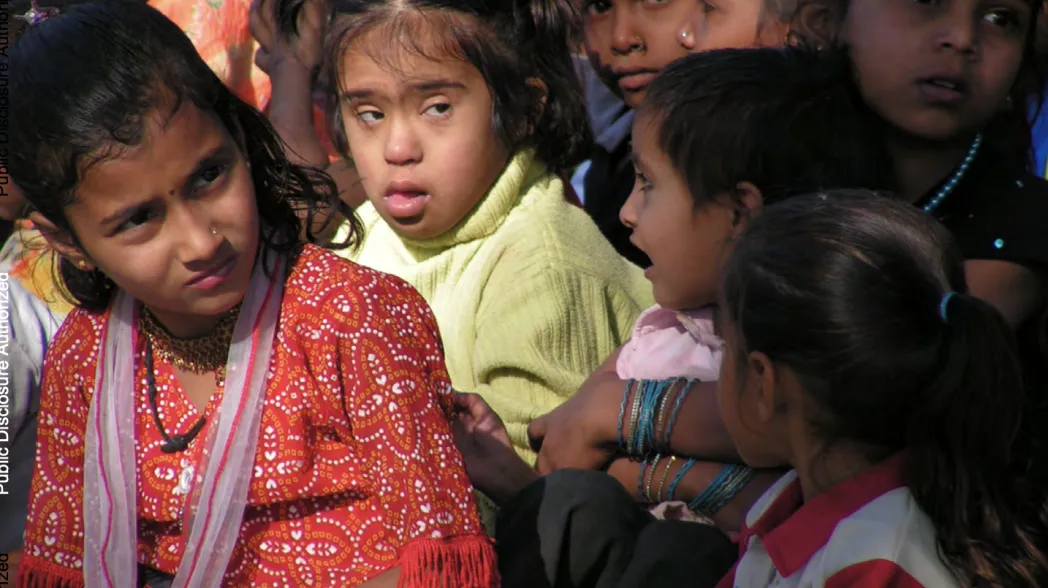
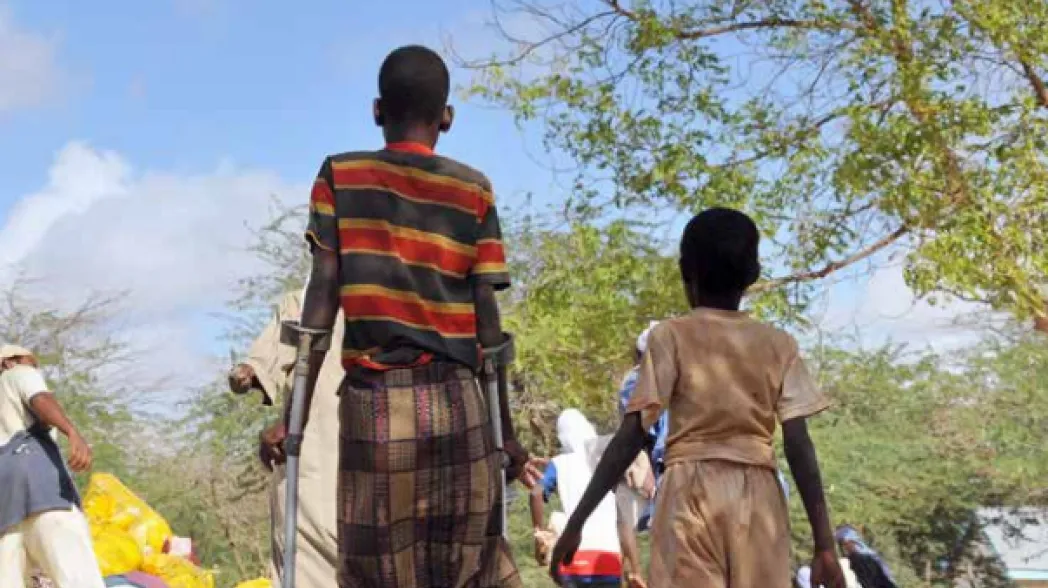
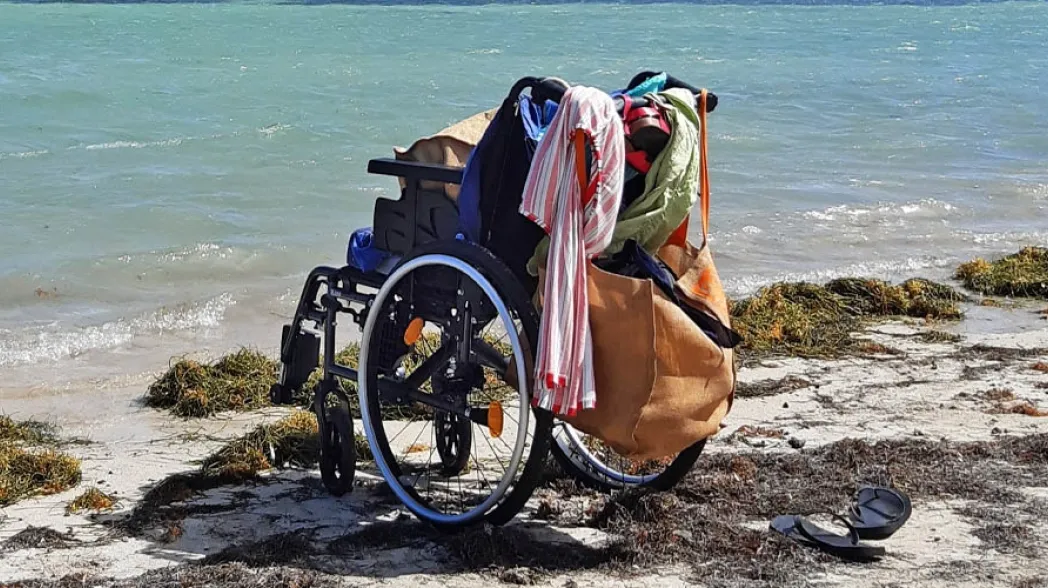
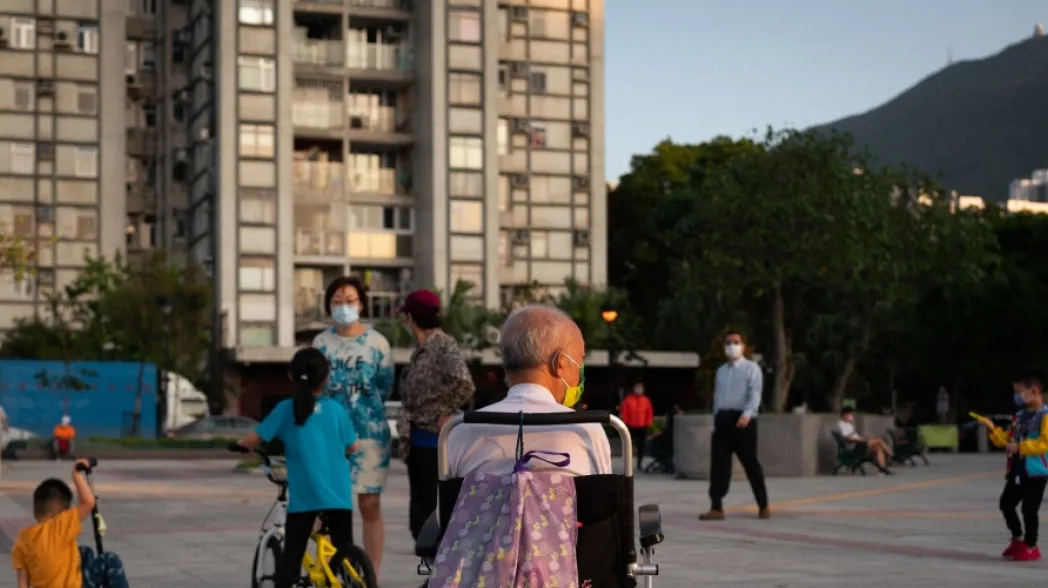
Within the disaster risk context, persons with disabilities face unique challenges, such as poor accessibility to physical facilities and early warning communications, higher likelihood of being abandoned during a disaster, and possibility of being separated from their assistive devices, e.g. walking cane, hearing aids, etc.
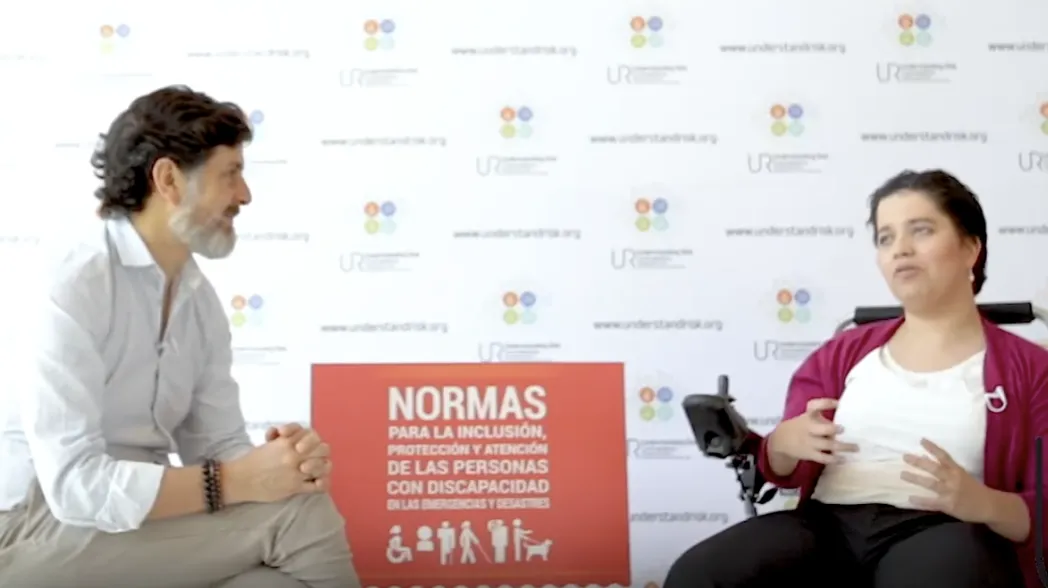
Recognizing that persons with disabilities are crucial members of communities and are the best representatives of their needs and experiences, disability inclusion focuses on capacity building and facilitating an environment for individuals to become leaders and impactful changemakers for DRM within their communities. Persons with disabilities leverage localized knowledge to uniquely address challenges in disaster risk management that supports inclusion for all. Inclusive DRM and Gender Equality focuses on supporting and protecting lives, livelihoods, and finances before the impact of disasters are felt by encouraging the inclusion of persons with disabilities throughout the DRM cycle to inform policies, designs, and practices.
Select Knowledge Products

Key Contacts