
Blogs
The latest insights on resilience and disaster risk management from GFDRR experts, partners, and practitioners around the world.
Showing 172-180 of 397 results
Blog
·
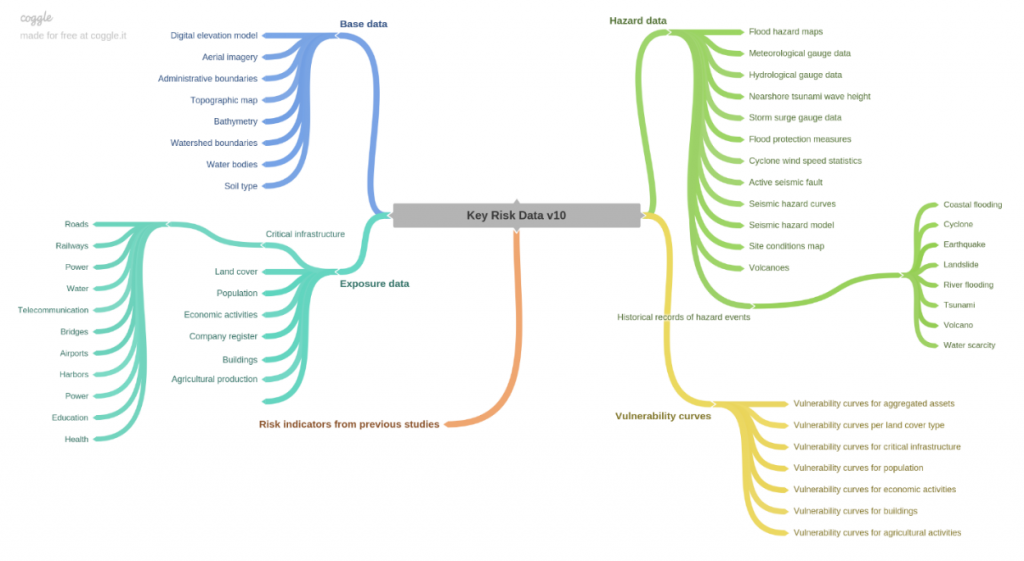
Making risk data work harder for adaptation in small island states | Data Blog
Small island states face particularly high risk of natural hazards. GFDRR data scientists explore how these risks can be reduced through making related data more open and accessible.
Blog
·
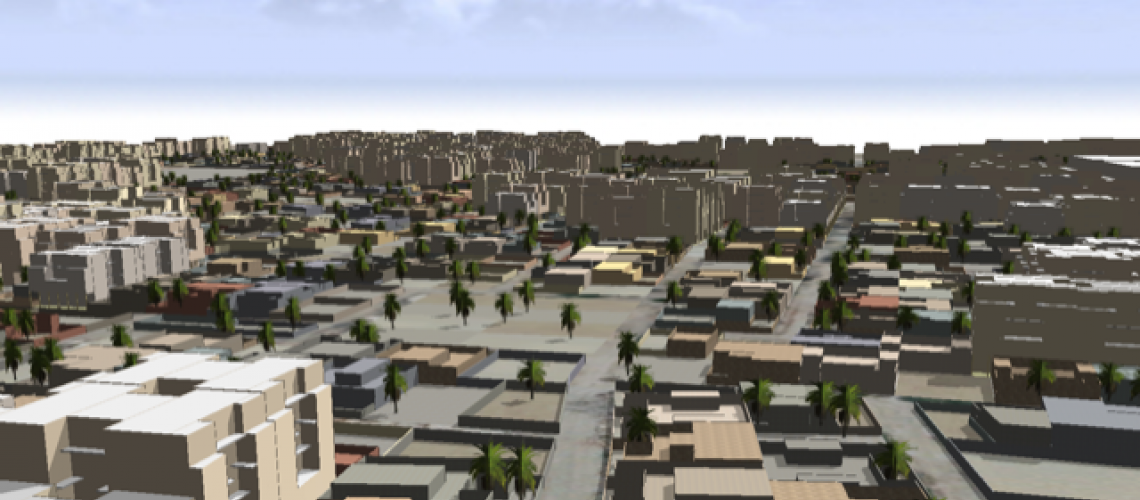
Three ways parametric collaborative urban design helps post-conflict cities build back better | Arab Voices
The World Bank plays a major role to support post-conflict recovery and reconstruction worldwide. It is scaling up its support to sub-national and local planning authorities and municipal services in countries such as Iraq, Yemen, Nigeria, and Myanmar.…

Blog
·
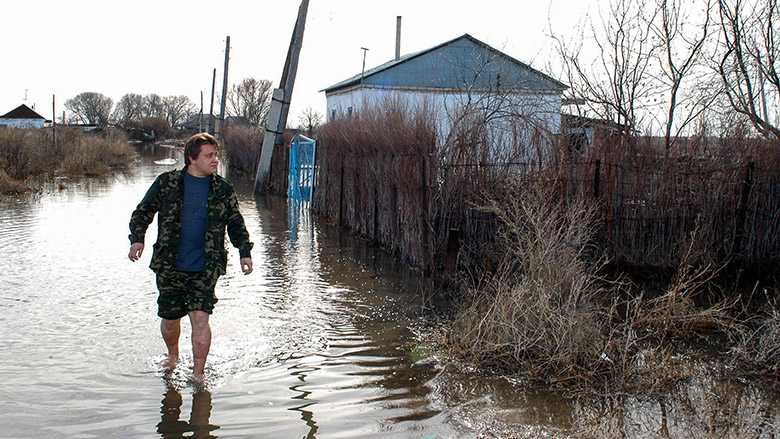
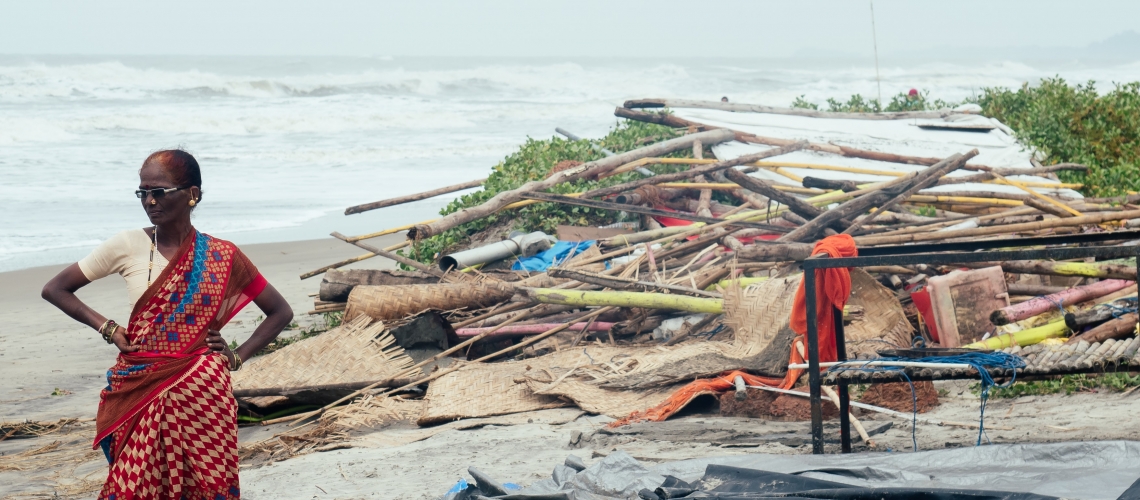
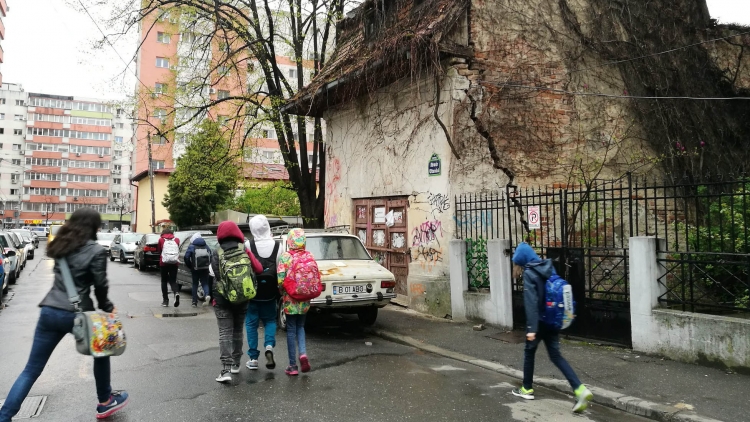
Strengthening community resilience in South Asia | End Poverty in South Asia
The World Bank and the Global Facility for Disaster Reduction and Recovery (GFDRR) are working to develop a recipe to advance resilience for South Asia and beyond. For example, as part of its plan to provide safe havens to nearly 14 million people in…
Blog
·
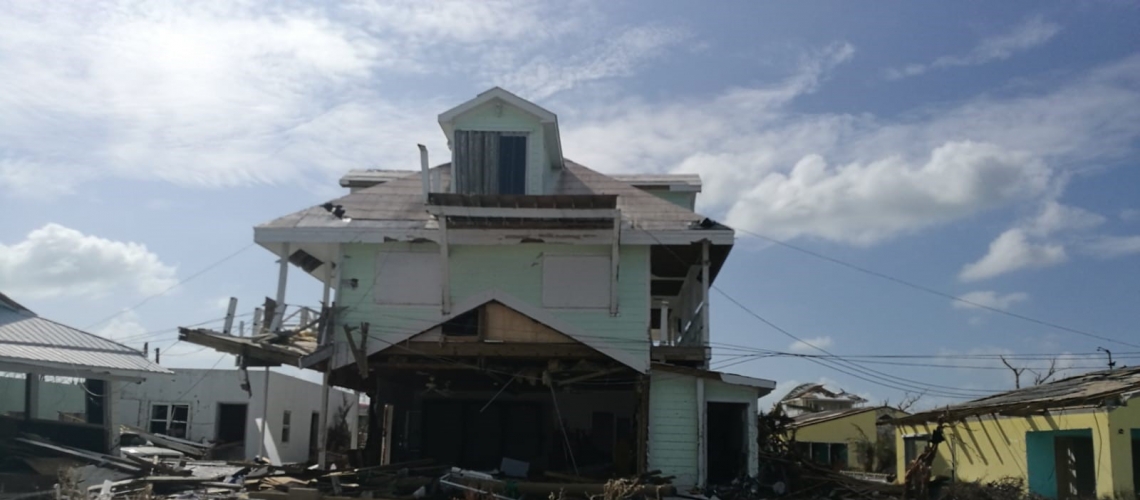
Assessing damage to The Bahamas in 13 Days: The GRADE approach | Latin America and Caribbean
Hurricane Dorian made landfall in The Bahamas as a Category 5 storm on September 1, battering the northern islands of Grand Bahama and Abaco for almost three days. In the days following the hurricane, reports clearly showed devastation but left many…

Blog
·
As climate and disaster threats rise, let’s double down on resilient infrastructure | Voices
In an era of worsening climate and disaster risks, Sameh Wahba, Global Director for the World Bank’s Urban, Disaster Risk Management, Resilience and Land Global Practice and Mami Mizutori, Special Representative of the United Nations Secretary…

Blog
·
A race against time: Resilient roads for effective emergency response | Transport for Development
Medical emergencies are a race against time. In many high-income countries, ambulance response time is just over 5 minutes. But what happens in places where roads are often flooded? Network analysis and open data can help us tackle this challenge.