Blogs
The latest insights on resilience and disaster risk management from GFDRR experts, partners, and practitioners around the world.
Showing 163-171 of 397 results
Blog
·
The road to healthier communities: Rethinking rural accessibility amid a health crisis | Transport for Development
When compared to densely populated areas, rural communities are more vulnerable to major health crises. So how do we support improved rural accessibility to hospitals in disaster-prone areas? One solution is geospatial data.

Blog
·
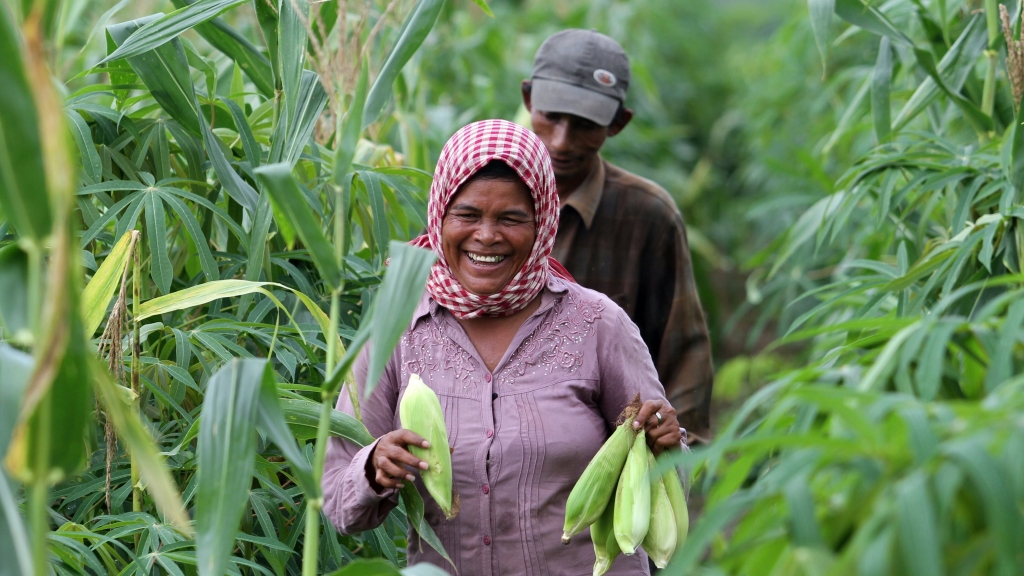
How to integrate Indigenous Peoples’ culture and traditions into disaster risk management | Latin America and Caribbean
Central America’s diverse population includes more than 60 groups of Indigenous Peoples, whose systems of cultural, economic, political, and social organization have developed over centuries. These ethnic groups have been contributing throughout that…
Blog
·
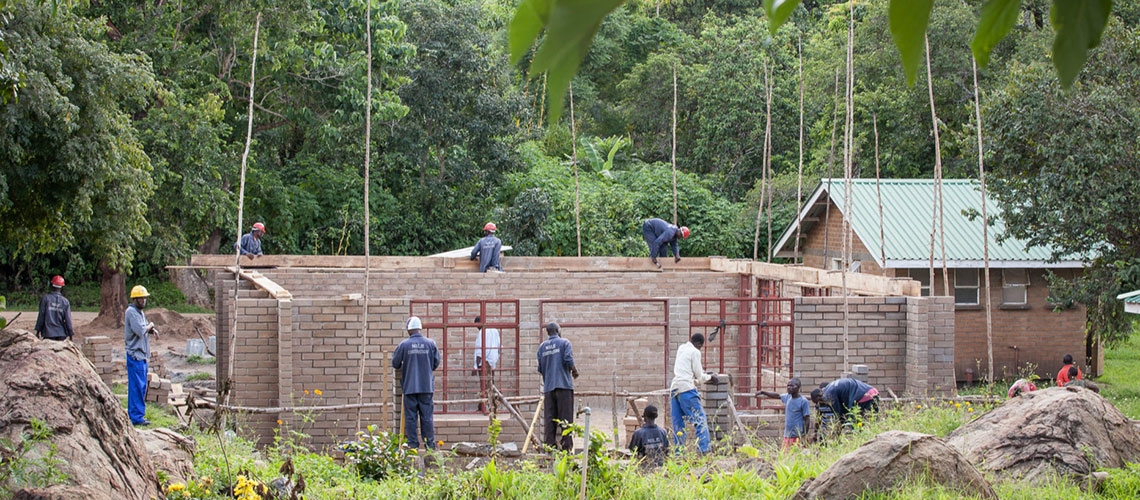
Building a safer, healthier, more resilient Malawi | Africa Can End Poverty
A building can be a home, a shelter, a place of work and learning. It can also be the most significant investment of a lifetime, the wealth-base of a household, and the foundation for a resilient society.
Blog
·
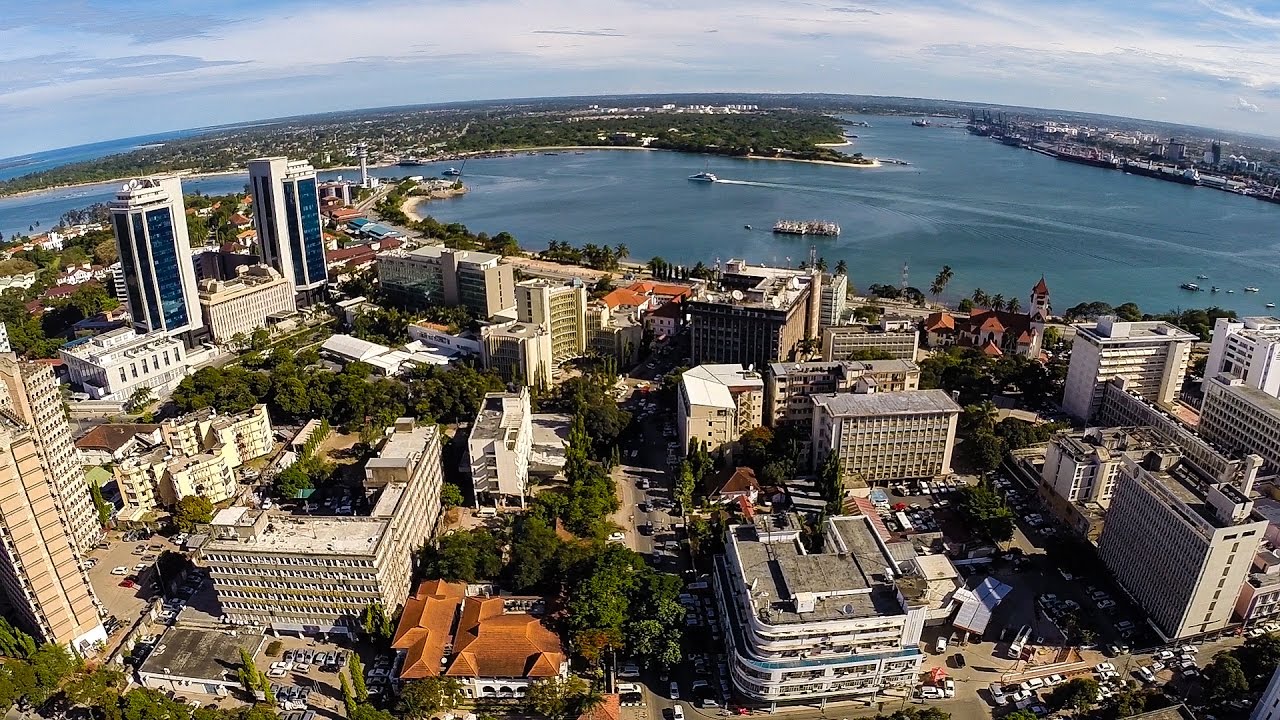
Strengthening resilience in Tanzania through creative public engagement | Africa Can End Poverty
Risk is something we can collectively work to mitigate, and well-designed risk communication can play a vital role in ensuring that everyone – communities, producers, and decision-makers alike – understands this.

Blog
·
Planning for the economic recovery from COVID-19: A sustainability checklist for policymakers | Development and a Changing Climate
As the coronavirus (COVID-19) pandemic continues, governments and emergency services are focusing on immediate needs: boosting capacity in hospitals, addressing hunger, and protecting firms and families from eviction and bankruptcy. The majority of the funds…

Blog
·
Preparedness can pay off quickly: Disaster financing and COVID-19 | Sustainable Cities
Disasters triggered by natural hazards can strike at a moment’s notice, with devastating consequences on people, infrastructure, assets, and entire economies. And the coronavirus pandemic (COVID-19) fits into this category.