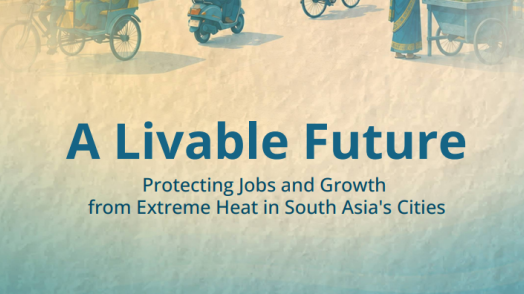
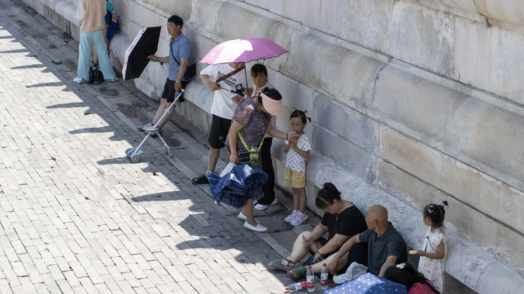
Extreme heat is the fastest-growing climate hazard. With heat-related deaths now estimated to exceed 500,000 annually and rising, building resilience to heatwaves and chronic heat exposure is an urgent priority for many low- and middle-income countries globally. The good news is that effective responses to extreme heat are increasingly being brought to scale. In Europe and South Asia, heat alerting and preparedness systems have been shown to reduce mortality during heatwaves by as much as two-thirds. Public spaces and building stock are being reconfigured cost-effectively to reduce dangerous heat exposure, while measures to support vulnerable groups during heatwaves are saving lives.
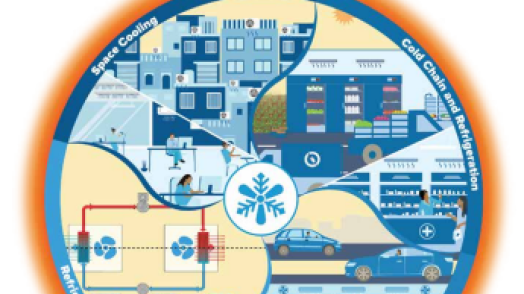
GFDRR is helping to strengthen and accelerate the uptake of solutions that work to reduce harm from extreme heat in low- and middle-income countries. The Heat Resilience thematic program (i) builds actionable knowledge on solutions to reduce harm from extreme heat; (ii) provides rapid diagnostic tools to help city and country stakeholders accelerate the design of effective responses; (iii) works to advance scaled-up financing for heat resilience solutions at country level. The program works across four pillars – Places, People, Institutions, and Infrastructure – to advance a comprehensive approach to heat resilience, encompassing long-term actions to cool the built environment and short-term actions to save lives during heatwaves.
Videos



Our Impact











Watch the Heat Resilience playlist on YouTube