
Comprehensive Program Helps Reduce Climate and Disaster Risk in Sri Lanka
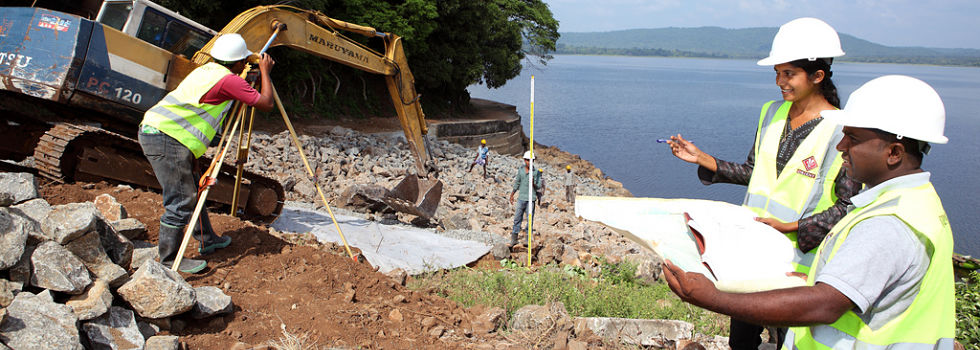
GFDRR provided analytical and advisory services to the Government of Sri Lanka under the Climate Resilience Program, an innovative program that reduces physical and financial risk from major catastrophes such as tsunamis, cyclones or floods. This work helped leverage additional World Bank financing under the Climate Resilience Improvement Project (CRIP), a $110 million project that will finance both long and short-term interventions that reduce climate and disaster risk, along with an $102 million Development Policy Loan with a Catastrophe Deferred Drawdown Option (DPL with a CAT DDO), which provides immediate liquidity partially or in full if the country declares a state of emergency after a natural disaster. GFDRR also supported a Fiscal Risk Assessment to help the government and private institutions better manage financial risks posed by climate and disaster shocks.
Following the devastating 2004 tsunami, Sri Lanka embarked on a comprehensive disaster risk management program to reduce the adverse impacts of natural hazards and climate change.
GFDRR provided analytical and advisory services to the Government of Sri Lanka under the Climate Resilience Program, an innovative program that reduces physical and financial risk from major catastrophes such as tsunamis, cyclones or floods. This work helped leverage additional World Bank financing under the Climate Resilience Improvement Project (CRIP), a $110 million project that will finance both long and short-term interventions that reduce climate and disaster risk, along with an $102 million Development Policy Loan with a Catastrophe Deferred Drawdown Option (DPL with a CAT DDO), which provides immediate liquidity partially or in full if the country declares a state of emergency after a natural disaster. GFDRR also supported a Fiscal Risk Assessment to help the government and private institutions better manage financial risks posed by climate and disaster shocks.
For more information, see:
Blog: Advancing Climate and Disaster Resilience in South Asia